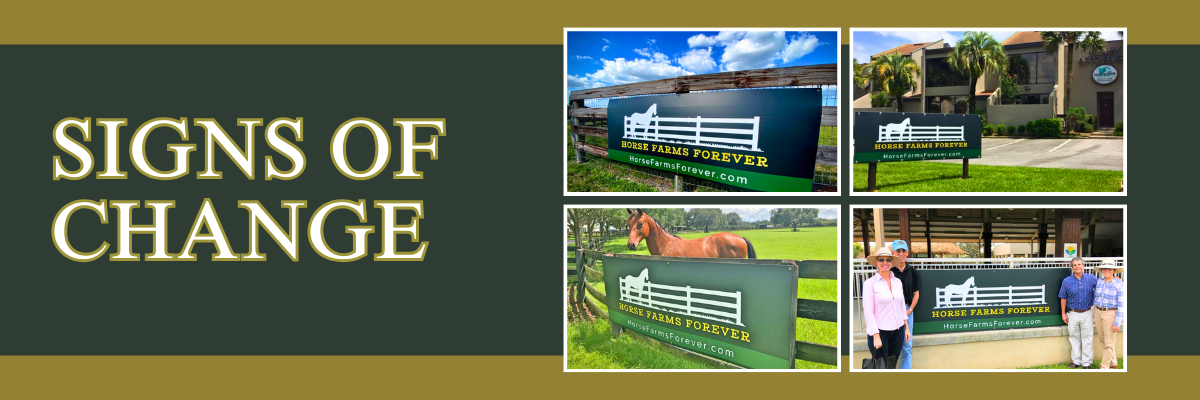
Signs of Change

Signs of Change

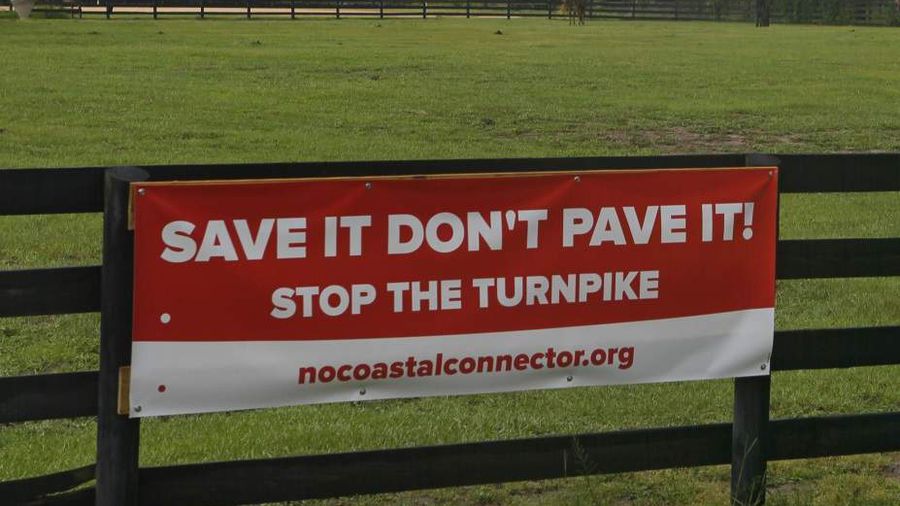
Signs of Protest

Who remembers the “Save It, Don’t Pave It” signs from 2018 that were all over Marion County when the Florida Department of Transportation was proposing a toll road through the Farmland Preservation Area? Those signs did a lot to raise awareness that organized citizens to stop the coastal connector and led to the birth of Horse Farms Forever.

Signs of Unity

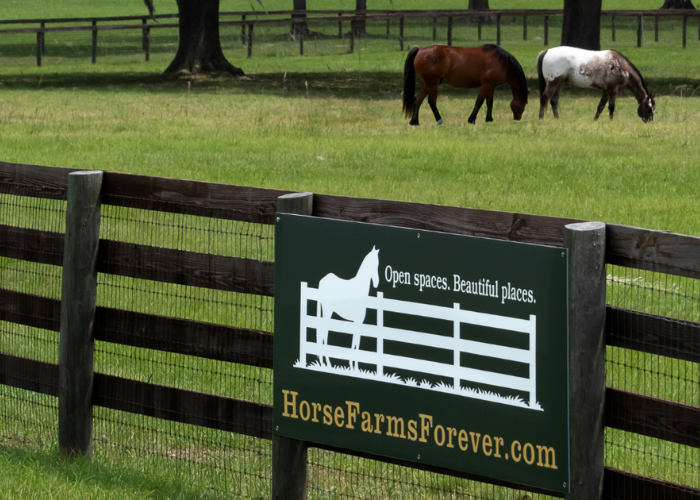
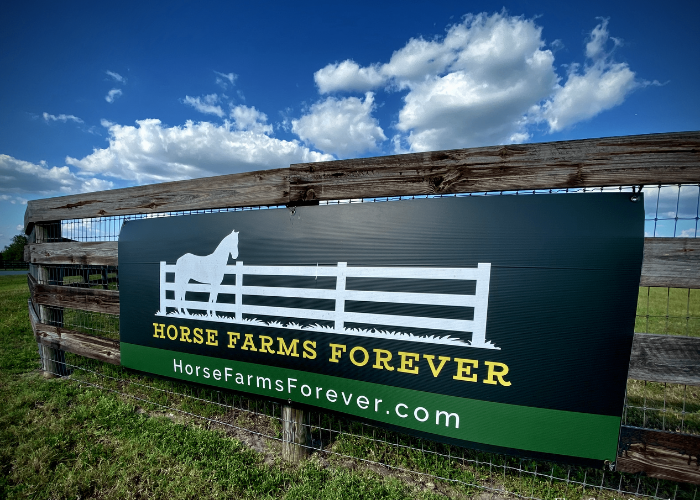
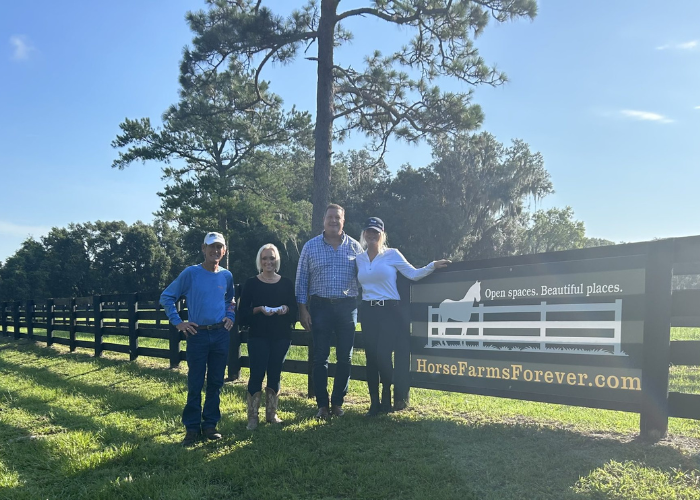
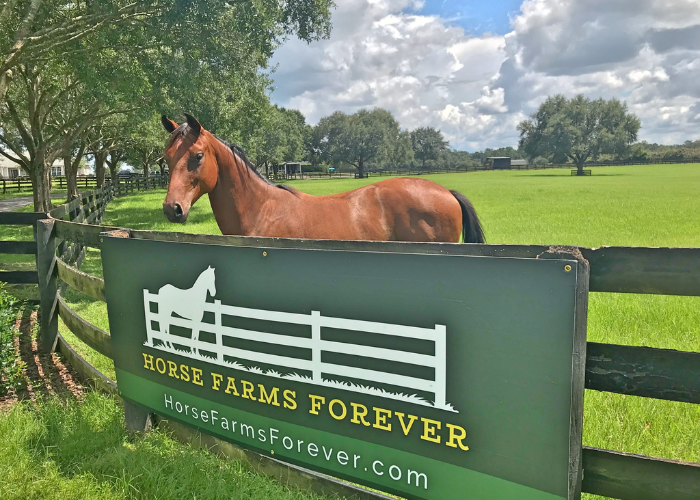
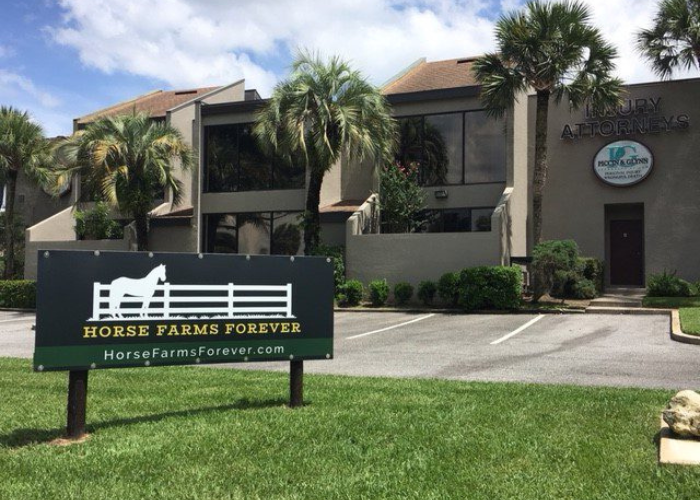
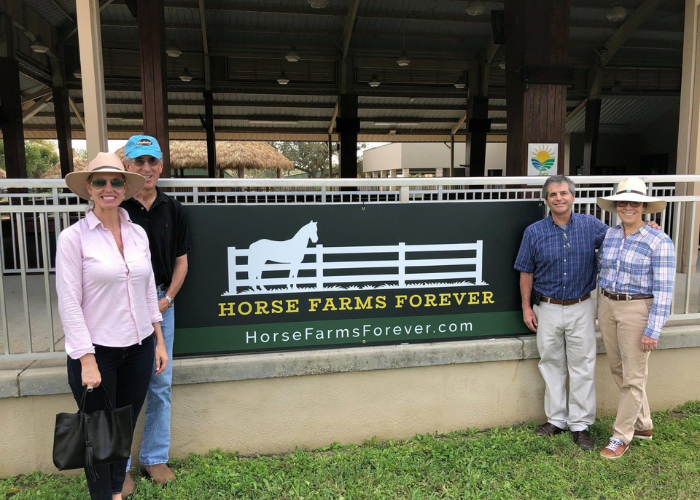
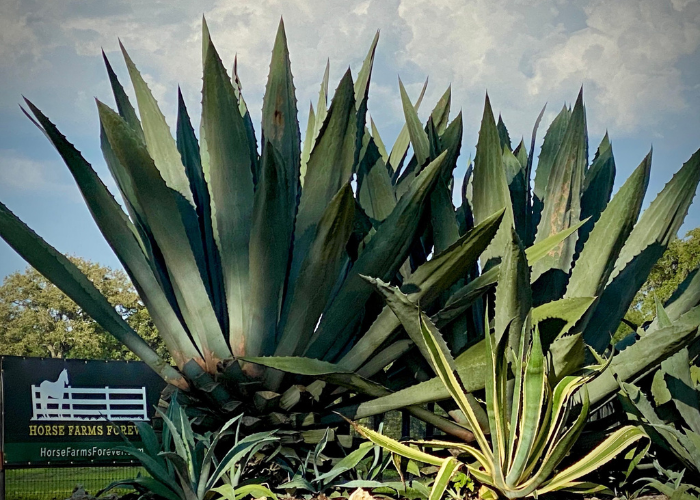
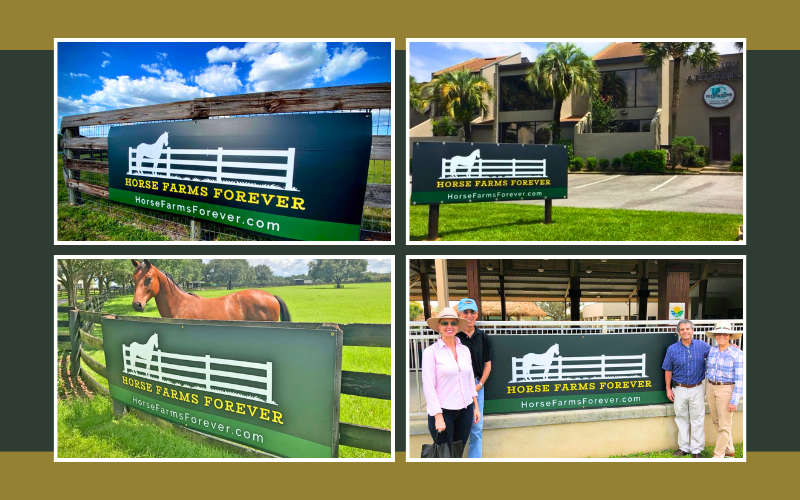
Now you may have noticed that since then those signs have been replaced by Horse Farms Forever signs on fences all over the county. These signs are given to our members who choose to display them on the fences of their farms and businesses. They send an important message from our members to all who live here and to those just passing through:

  • HFF Members care about our horse farms.
  • They want horses and horse farms to continue to characterize Marion County forever.
  • Marion County has a watchdog organization (HFF) to help guide its growth in a direction that protects its open spaces.
  • Our members are proud to be a part of that mission.
  • Our members are numerous!

Much like the “neighborhood watch” signs that you see on our streets for crime prevention, the Horse Farms Forever signs make it clear that farm owners and equestrians all over the county, and particularly in the Farmland Preservation Area, are engaged in the conversation about conservation. These signs signal shared values and commitment to what makes Marion County unique and defines our quality of life. They invite your neighbors to ask questions, which gives you as a member the opportunity to help spread the word about preserving our open spaces and beautiful places in a natural and neighborly way.

If you are a member at the $100 level or more and don’t have a fence sign, we welcome you to request one. A volunteer will reach out to you to set up the installation. The simple statement of a sign on your fence, added in with all the other fence signs out there around the County, sends a strong message without saying a word. We hope you’ll take us up on the offer.

Join us! All members who donate $100 or more can receive a sign to display on your property! Be sure to request a Fence Sign when completing your membership form.

Marion County is known around the world for its open pastures, scenic beauty, and rich agricultural heritage—but none of it stays protected by accident. That’s where Horse Farms Forever steps in. We’re hosting a special fundraiser to preserve the places that make Marion County extraordinary—and thanks to a generous friend of Horse Farms Forever, every dollar you give will be matched.

Double the impact. Double the preservation power.👏

Protect – we are always watching. When a threat is identified, we quickly assemble a threat response.
Promote – we are out in the community and on social media, raising awareness and inspiring appreciation for all that we have here in Marion County.
Preserve – we guide and encourage landowners who wish to conserve their land.
Plan – we are working with the County on changes to the Comprehensive Plan that will make conservation easy and financially advantageous for farm owners.

Perdue Emphasizes Community Engagement in Road Planning

Perdue Emphasizes Community Engagement in Road Planning

What’s In Store For Marion County’s State-Owned Road Projects?

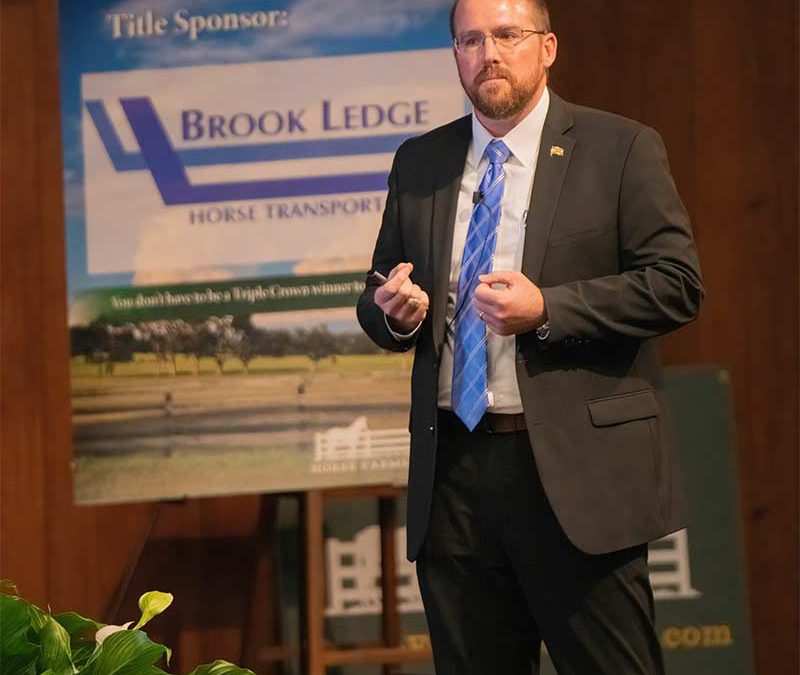
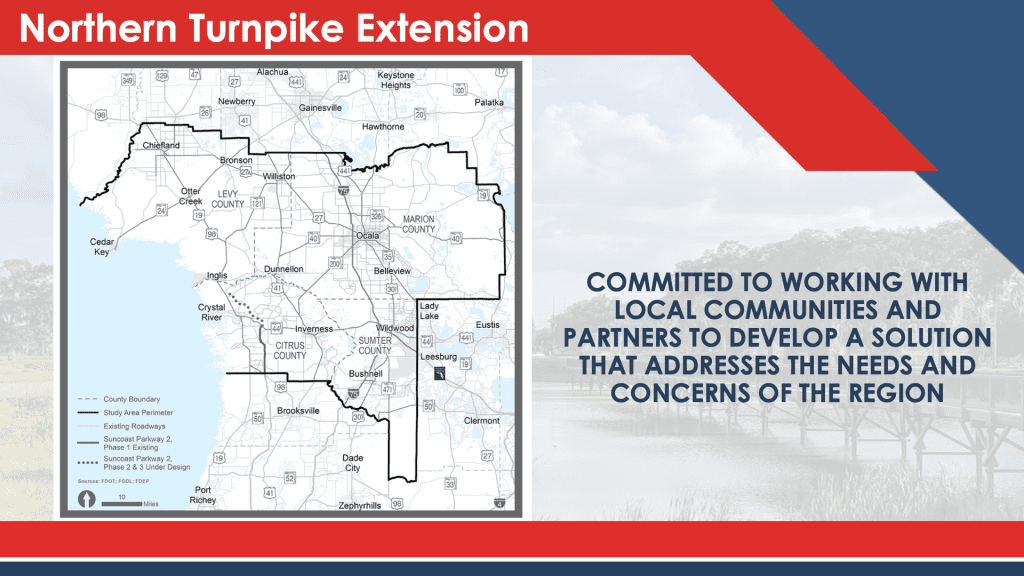
At Horse Farms Forever’s Conservation Summit on November 14, Jared Perdue, Secretary of the Florida Department of Transportation (FDOT) and Tracy Straub, Assistant Marion County Administrator, shared detailed information about Florida’s transportation approach and goals, and specific road improvement projects in Marion County. Secretary Perdue, who took over the post this past April, gave an update on the improvements to I-75 and the Northern Turnpike Extension project, which will resume in one to two years. He also emphasized FDOT’s new emphasis to recognize and protect the unique heritage and culture of Florida’s communities while at the same time improving road safety and efficiency.

The partnership between FDOT and Marion County was also highlighted as a vital component to completing nearly 42 road improvement projects that will widen and extend roads, build several flyovers, and a new interstate interchange at NW 49th Street. These projects will help divert traffic off of I-75 and allow residents to travel both north-south and east-west without having to access I-75. This blog will highlight important aspects of Secretary Perdue’s presentation. We will cover Administrator Straub’s in detail in the next release. To Summit livestream was recorded, and is available for viewing here.

Efficient Transportation Challenged By Astronomical Growth

At the beginning of his talk, Secretary Perdue shared that the core FDOT mission is to provide safe and efficient transportation for the citizens of Florida, and to support the supply chain of goods and services. This is a challenge as Florida’s population continues to grow.

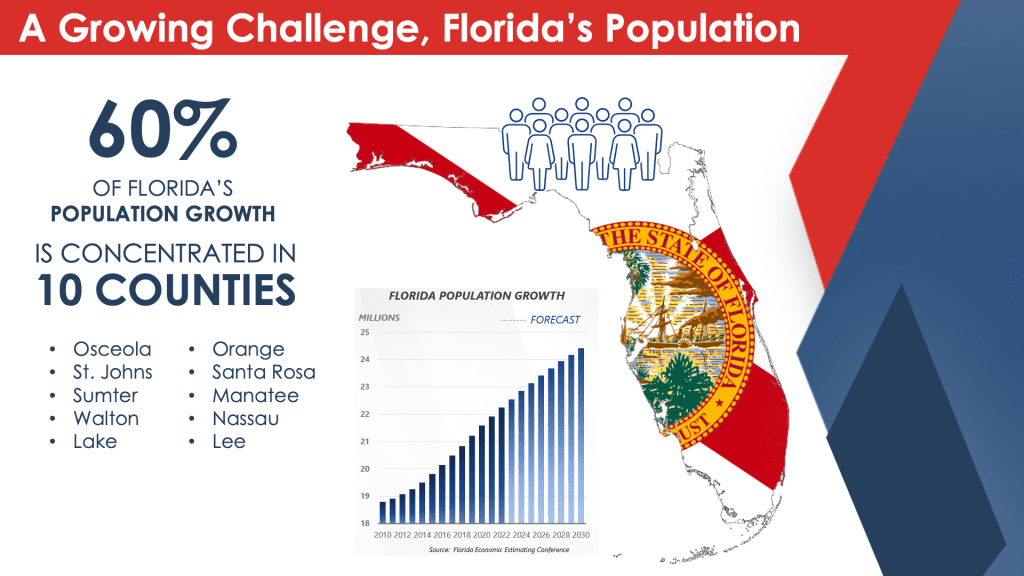
“This is one of the challenges with transportation – how do you provide necessary transportation, but still protect and conserve what makes Florida special,” said Secretary Perdue. “We have a unique challenge in Florida. We are the third most populous state in the union. We are growing rapidly, exponentially. Sixty percent of our growth is concentrated in 10 Counties: Osceola, St. Johns, Sumter, Walton, Lake, Orange, Santa Rosa, Manatee, Nassau, and Lee.. A lot of areas in Florida are growing at 20 percent annually.” Perdue shared that for every 100 people that move out of Marion County, 500 move in. “FDOT plans transportation projects based on a 3 percent population growth rate, and many areas of Florida are growing in excess of 20 percent, and so here’s what that means for an individual,” he said. “Yesterday, you had a 30-minute commute to work. It’s almost like you went to bed and woke up the next morning and all of a sudden, you’re sitting in traffic for an hour and a half trying to get back and forth to work.”

Transportation systems typically take 15 to 20 years to complete because of limited and finite resources that have to be spread across a very large state. FDOT must focus on a long timeline – planning for growth two decades in the future while maintaining enough capacity to handle emergency situations, like the recent devastation from Hurricane Ian. This year’s FDOT budget of $12.6 Billion is the largest in history.

“The challenge is because those areas have been growing so fast, 20, 30, and some areas even 40 percent growth, and so here’s the challenge, how do we think about transportation infrastructure differently so that we can start to catch up strategically,” he added.

Northern Turnpike Extension Is Still In The Plans

Secretary Perdue answered the most pressing question about the proposed NTE project to extend Florida’s Turnpike from Wildwood to U.S. 19 in Levy County. The NTE project was paused earlier this year, but Perdue confirmed that it was still in FDOT’s plans. The time frame has not been determined, but work on the proposed NTE project will start within the next one to two years. The project was paused due to the overwhelming negative feedback about the proposed routes from the communities in its path. FDOT’s response was to hit the pause button.

“Yes, we hear you, we don’t want to put a road through the heart of your community,” he said. “But we know we have to do something so let’s step back, let’s reengage with our communities and let’s talk about what those right solutions are because we know we need something.”

Perdue said the Northern Extension will connect to I-75 because it fits together as part of a bigger picture of how to solve the transportation challenges; because Florida is going to continue to grow and people and goods and services need to get from point A to point B. The NTE is also important for the future in terms of resiliency, hurricane evacuations, and natural disasters.

“We know we need to do something,’’ he said. “We want that something to preserve your farmland, to fit the growth patterns that are occurring. We want that something to continue to provide the needed transportation while embracing and maintaining the character of your community. And we believe that there’s a way to do that.”

A Love For Rural Florida

“I love the idea of protecting horse farms. I love horses and owned them myself,” he said. “I love Marion County and I love rural Florida. I was born and raised in rural Florida, so it’s really important to me.”

Secretary Perdue emphasized FDOT’s value on relationships with local governments and the goal to embrace and protect the character of communities.

“The reality is that anytime we set out to do something important, the way that people feel and that way that we engage them matters. It is absolutely critical for the future success of transportation systems in Florida,” said Secretary Perdue. He also addressed preservation and conservation directly. “What does that mean for how we deliver transportation in the future?” asked Secretary Perdue. “We believe that in order to successfully deliver infrastructure for the future based on the way that society has changed, based on the way that the state of Florida is changing and growing and adapting, that the absolute number one priority is for transportation infrastructure to embrace communities.”

He described the diversity of Florida and how important embracing this diversity is for transportation projects. Each community has its own culture, heritage, traditions, and also its own vision for the future.

“We believe that enabling transportation infrastructure to be a part of that heritage, a part of that tradition, but also a part of that vision for the future is where success is in transportation infrastructure,” he said. “This has become an umbrella focus for us. We believe that every single transportation infrastructure project can truly embrace the community that it lies within.”

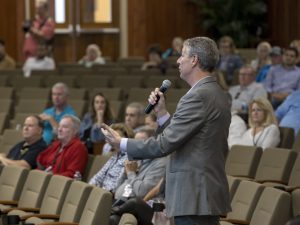
Question from Kevin Sheilley of the Ocala Metro CEP

QUESTION:

Two recent hurricanes came through Florida, 1 hitting the southwest coast and another the southeast coast.

  •  How did the interstate system handle the evacuation routes from the coastal areas?
  •  And, does there need to be a connection between the Suncoast Parkway and I-75 to enhance evacuations?

ANSWER By Secretary Perdue:

“There are a lot of complexities that go into evacuations, depending on where the storm is going, how much time people have to make decisions and what available routes there are. Depending on where the storm hits in Florida the plan completely changes. With Hurricane Ian, the path was changing constantly. The forecast wasn’t set in stone and it changed at the last minute. People had hours to figure out what to do.

We have outfitted our interstate system with technology so that we can watch evacuation behavior in real time. In the case of Ian, we saw a lot of congestion on I-4 and I-75 in general – in particular those hot spots where traffic is always an issue. If the facility is not reliable in everyday life, how is it going to be reliable in an evacuation?

Did our facilities do well during the Hurricane. I would say the answer is yes. Everybody that decided to get out, got out. We opened the shoulder of the road to help with traffic flow, but those pinch points on I-4 and I-75 were still there.

We want to build facilities to be reliable and resilient. To do that, you have to not only relieve those problem areas that already exist, but also build out for future growth.

We believe that something is needed for evacuation between I-75 and the West Coast. We will have to work through that solution together.”

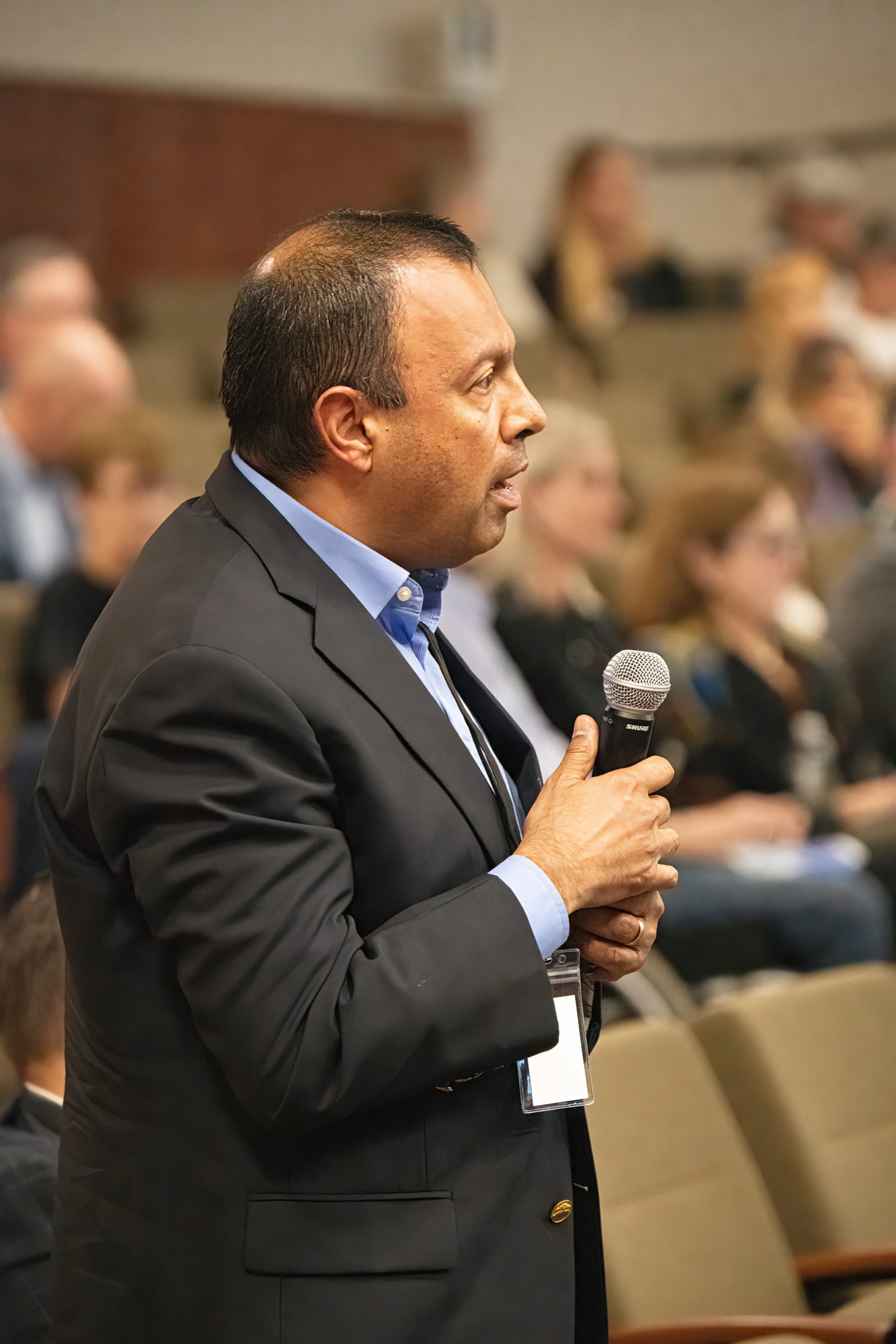
Question from Navroz Sanju of HDG Hotels

QUESTION:

We hear a lot about autopilots in cars and self-driving trucks.

  •  What is the future of self-driving cars and self-driving trucks on the interstate system?
  •  And is there any new technology you are including when you build a road to work with those systems?

ANSWER:

“Technology is one of our big strategic focus areas. Here in Florida we have 100 percent coverage of our Interstate System with the most current detection devices. We have the backbone in place for the future of autonomous driving vehicles. Technology changes so fast, and there’s been a lot of emotional speculation about what the future will look like.

We’ve developed new standards for these technologies to work. Artificial intelligence is always collecting data and using it to make decisions. Our infrastructure needs to facilitate that.

So, what’s realistic over the next ten to twenty years? First, there is tremendous efficiency to be gained on interstates using autonomous technology, such as the platooning of trucks. Our facilities must be upgraded for this future. We are already working on that. Autonomous vehicles can test and pilot on the Florida Interstate System. Second, what is really important is the ability of technology infrastructure to communicate important information to every day drivers – lane closures, stopped traffic, and accidents can be communicated to navigation apps by the road itself, helping drivers to make decisions.

We recently rolled out a pilot program that will allow every lane closure to be shared in real time with navigation apps.”

Early Feedback

Getting early feedback from communities is a new way of thinking for FDOT, but Secretary Perdue said that it’s “been hugely successful. Sitting down with communities before we decide what’s going to be done on that project to ask you: Hey what do you want to see – What would you like the feel of this roadway to be – How would you like it to look – What type of things would you like to see incorporated to help it align with your community?”

He said one example of this approach is the Wekiva Parkway, which protected more land for conservation than it impacted.

“I’ll give an example in terms of preserving and conserving with transportation actually having a net positive impact on what Florida’s true character is with the Wekiva Parkway in central Florida,” said Secretary Perdue. “A lot of the Wekiva Parkway, that’s a new toll facility, utilized an existing road, State Road 46 for a lot of the way, and we had a net positive impact on the environment because we actually purchased more conservation land as part of the project than we impacted with the project itself.”

However, due to FDOT budget constraints, not all suggestions are possible, but, when FDOT engages communities early in the process, the community becomes part of the team.

“Then we together can implement infrastructure that takes on the character of the community that it lies within,” he said.

Improvements to I-75

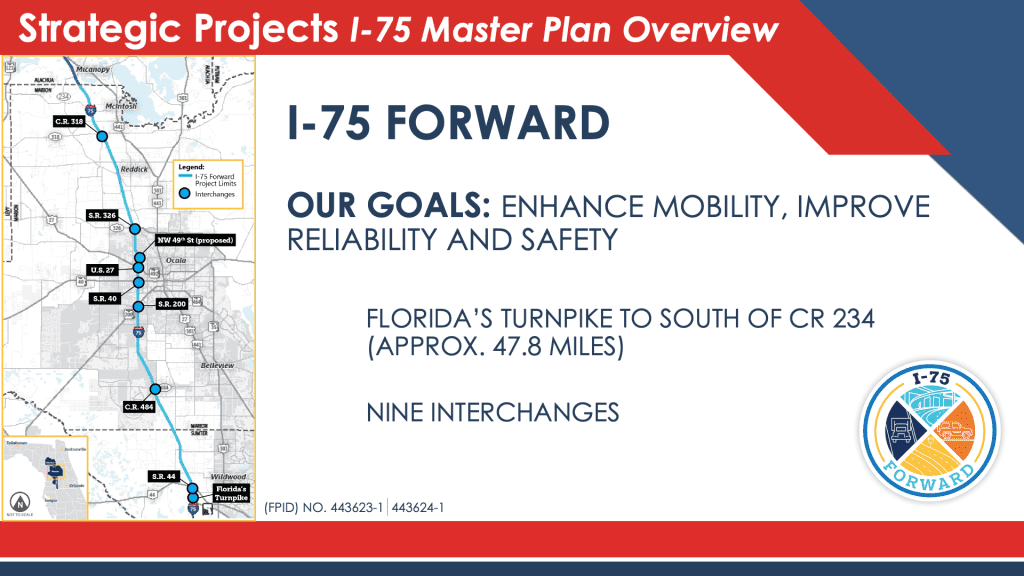
FDOT is coordinating closely with Marion County on nearly 42 projects and one of the top priority projects is improving I-75. The traffic congestion is a capacity issue, but it’s also related to the surrounding road network and because the Florida Turnpike ends at I-75 just south of Marion County. The goal of the master plan is to enhance mobility, improve reliability, and safety. There are two phases to the project with phase one adding additional lanes in each direction between SR 44 and SR 326. Phase one also includes interim modifications of the SR 326 and SR 40 interchanges. Phase two is ongoing.

The I-75 Master Plan is also divided into two study areas. The Southern section is approximately 22.5 miles and it begins at Florida’s Turnpike, SR 91 in Sumter County and ends at SR 200 in Marion County. Interchanges to be evaluated include Florida’s Turnpike, SR 44, CR 484 and SR 200. The Northern section is approximately 25.3 miles and it begins north of SR 200 in Marion County and ends south of CR 234 in Alachua County. Interchanges to be evaluated include SR 40, U.S. 27, Northwest 49th Street (planned), SR 326, CR 318 and CR 234.

The Master Plan is to “identify improvement options for I-75 that we can affect quickly,” he said. “We don’t have 15 to 20 years. As a matter fact we need something there that should’ve been done probably 10 years ago based on how fast we are growing.”

The interstate must meet several different needs in Marion County including growing residential communities, heavy industrial development, and commercial development along the interstate. The challenge is to provide a facility for all of the different types of vehicles.

“This is a big conversation and it all works together but you don’t want to get lost in talking about what we need 20 or 30 years down the road when it needs it fixed today,” he said. “We’re looking at phase one and of what can we implement quickly and efficiently that will actually improve at a minimum the reliability of the roadway.”

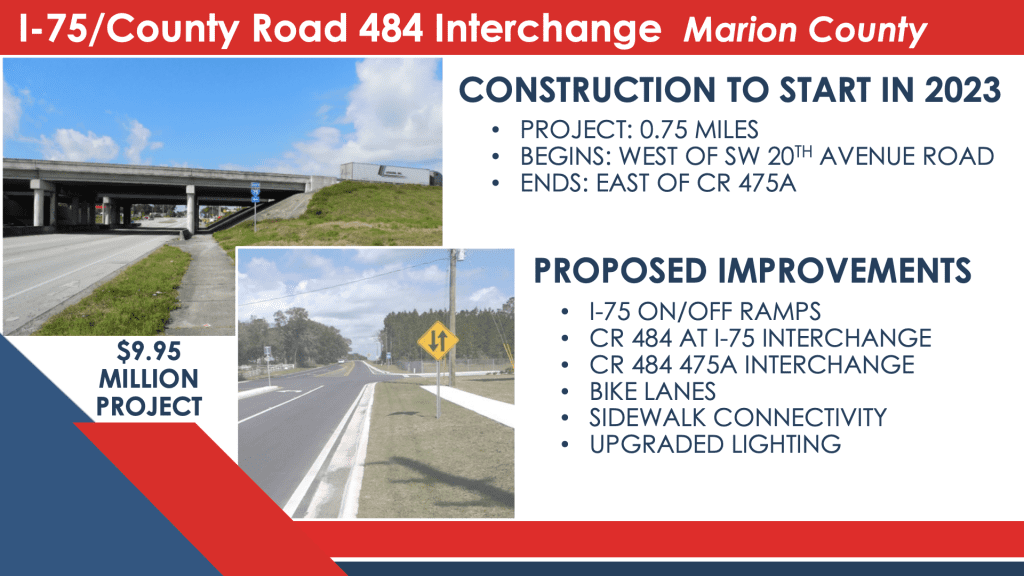
The I-75/CR 484 project is .75 miles and begins west of SW 20th Avenue Road and ends east of CR 475A. The improvements include on/off ramps, CR 484 at 1-75 interchange, CR 484/475A interchange, bike lanes, sidewalk connectivity, and improved lighting. The cost of this project is close to $10 million.

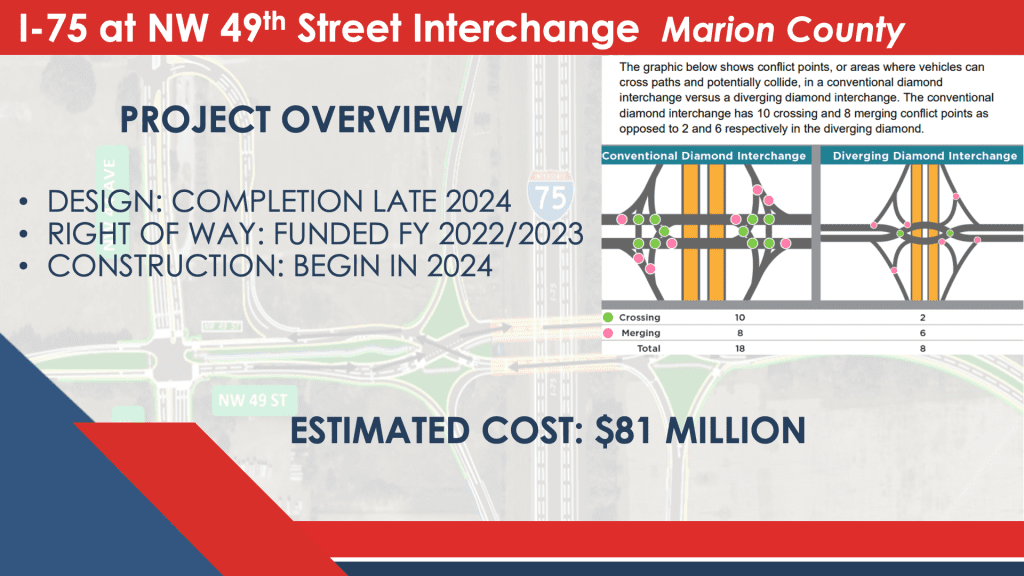
FDOT is partnering with Marion County to build a new interchange on I-75 at NW 49th Street. Marion County and FDOT are both providing the funds to build the new interchange, which is estimated to cost about $81 million.

“Marion County is absolutely a vital partner in transportation,” he said. “It’s truly a seamless partnership.”

The new interchange is a Diverging Diamond Interchange (DDI) that will help improve interstate and regional mobility, accommodate future traffic growth and provide relief to existing surrounding interchanges. The right of way will be funded in 2022/2023 and the design will be completed in late 2024. The construction is expected to start in 2024.

The new interchange “is a broader picture of your how do you manage the system around that I-75 corridor and this is a going to help provide some of that connectivity,” said Secretary Perdue.

Next: Focus on County-Owned Projects

Tracy Straub, PE, Marion County Administrator, Public Works and Growth Services, also presented an update of the top road improvement projects including the area known as the Ocala Triangle, which includes State Road 200 and Southwest 60th and Southwest 80th Avenues. Straub gave an update on the CR 318 and I-75 Sunny Oaks/Irvine area. Our next blog will cover Administrator Straub’s presentation, including downloadable maps for the Marion County projects. Stay tuned!

Photos by Sean Dowie Photography. Remaining graphics provided by FDOT.

Watch the entire Summit presentation online:

Busy Shires

What About Zoning?

The Zoning regulations are found in the Land Development Code, which is a separate document with specific guidelines to implement the Goals, Objectives, and Policies of the Comprehensive Plan.

Zoning regulates development through land use classifications and specifies the areas in which residential, industrial, recreational or commercial activities may take place. The Land Development Code was adopted through a series of ordinances by the County Commission, which means that the regulations cannot be changed or waived, except by a further vote of the County Commission.

Contact the County about the EAR:

For any additional questions regarding the EAR process, please email Planning@MarionFL.org with your subject line including 'EAR' or call us at 352-438-2675 & ask for a planner.

https://www.marionfl.org/agencies-departments/departments-facilities-offices/growth-services/planning-zoning/ear

The workshops will be livestreamed. Check the County’s agenda webpage for the link: https://marionfl.legistar.com/Calendar.aspx

DarkHorse joins Horse Farms Forever® as a Founder Member

DarkHorse joins Horse Farms Forever® as a Founder Member

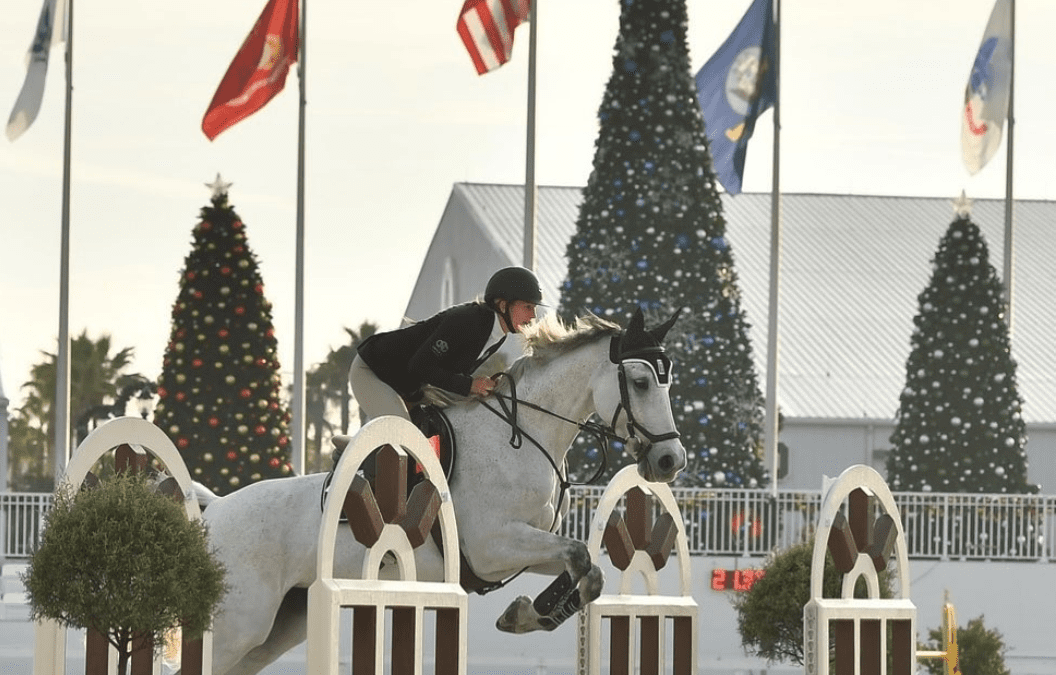
Laura competes Idara at the Grand Prix level. She is a 9 year-old mare formerly competed by Martin Fuchs. Here she is competing at the World Equestrian Center. 

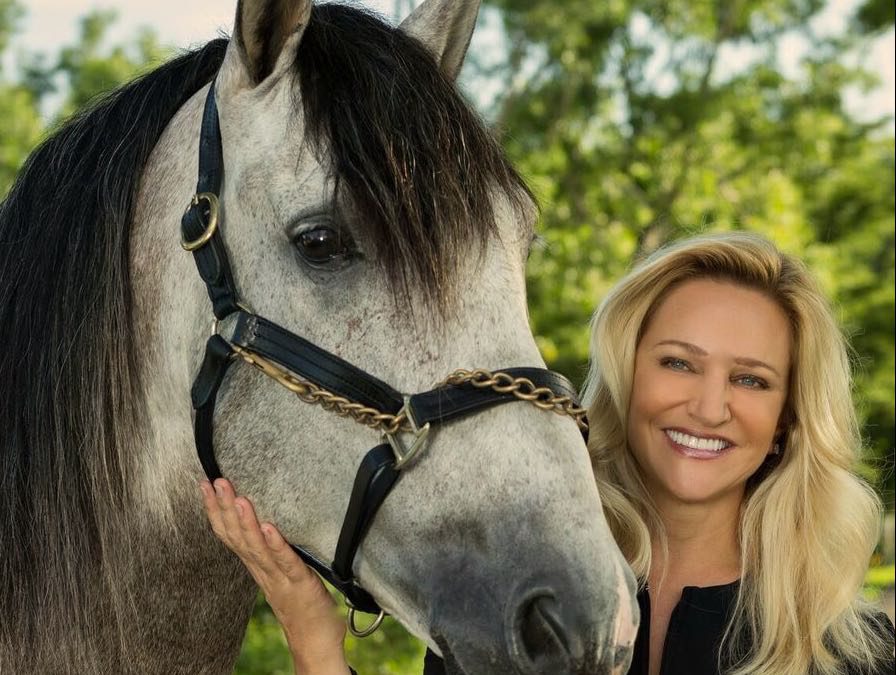
Laura Connolly recently bought a new farm in Ocala and moved her private show jumping barn from Wellington to Ocala for the winter season. In the summer, she trains and competes out of one of the most beautiful barns in the Northeast, her DarkHorse Farm in Ridgefield, Connecticut. She joined Horse Farms Forever® (HFF) as a Founder Member as suggested by Matt Varney, a Realtor with Ocala Horse Properties.


Grand Prix Show Jumper

Connolly is a successful Grand Prix show jumper and has competed for many years in Europe and in the United States at top venues located up and down the east coast and throughout the Midwest, including Wellington, WEC, HITS, Old Salem Farm, Tryon, KY Horse Park, Traverse City, and many more. She currently owns 10 horses, including the talented gelding Rahmannshof Upgrade, who is competed by European Champion and FEI world #1, Martin Fuchs of Switzerland.

“When I think of Ocala, I think of horse country. Horse Farms Forever’s mission to preserve that character speaks straight to my heart and passion. I couldn’t be prouder to support this incredible organization and their purpose,” said Connolly to HFF.

Pony Paradise

In addition to her show jumping career, she is an attorney, as well as a business owner. Connolly’s love of horses, and the process of designing and building her dream barn in Connecticut, led her to develop Stables-4-Sport, a partnership with Alan Megerdichian of Sequoia Contracting Company, the builder of her farm. Together, they create very unique and special homes for horses.

Connolly’s gorgeous all-white New England style horse barn is one of Sequoia’s top featured building projects. The farm is nestled in the idyllic Connecticut countryside and the barn looks and feels more like a bright and airy New England cottage than a barn for horses. Stables-4-Sport, the partnership between DarkHorse and Sequoia Contracting, is focused on building and renovating horse farms tailored to modern day sport horse operations. Megerdichian brings over 30 years of building and designing to the table and Connolly’s knowledge as an equestrian and show jumper in both the United Stated and in Europe, as well as her deep understanding of the industry, offers valuable insight.

“We are focusing on renovating and building farms with all of the modern-day amenities the sport horse industry is begging for,” stated Connolly in a Stable Style article. “The sport horse industry has changed so dramatically over the years, and we are focused on creating leading edge equine facilities that keep up with the ever-expanding demands and desires of both the horses and the humans active in the sport.”

The Stable Style article showcases some of the unique features such as individual lights in each stall, which is convenient for evening checks on one horse, without disturbing the rest of the horses in the barn.

The unique features in her horse barn are just one way Connolly strives to make her horses more comfortable. She is always looking for new ways to improve the sport horse industry, which has recently led her to founding SportHorse Tech, a new endeavor focused on developing leading edge high-tech equestrian equipment.


At Home in the Barn

Connolly’s new businesses are helping her to fulfill her dream as a young girl to spend all day in the barn, as she spent countless hours in the barn. First at the next-door neighbor’s horse farm, and then at the barn that her parents built at their farm in Michigan so that she would spend more time at home – well, at least she was at home in the barn!

“My mom or dad would have to come and drag me out of there every evening kicking and screaming. I think my parents quickly realized they wouldn’t see very much of me unless they moved the horses to our property! So, when I was about eight years old, they built a small six stall barn and a ring on our farm, which is where I grew up riding,” stated Connolly in an article on Fei.org.

Connolly is excited about the possibilities in Ocala with the opening of the new World Equestrian Center and to work with horse farm owners to help make their vision and dream for their horse barn come true.

Horse Farms Forever welcomes DarkHorse and Laura Connolly to their winter home – in the barn!

DarkHorse recently moved its winter quarters from Wellington to Ocala.

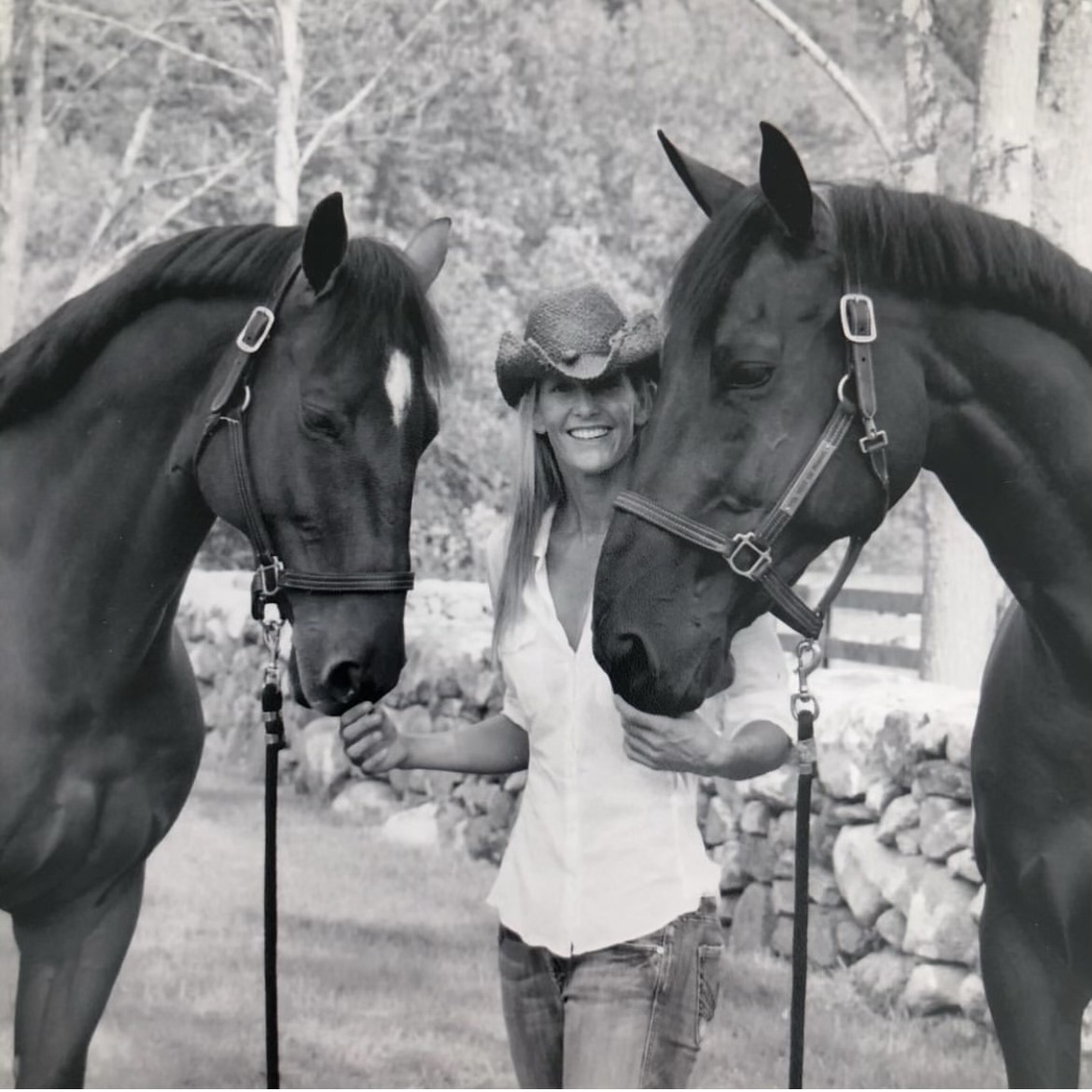
Laura Connolly with two of her Grand Prix horses. (L to R) Sil and VDL Nuit de Pomme (aka Buddy). 

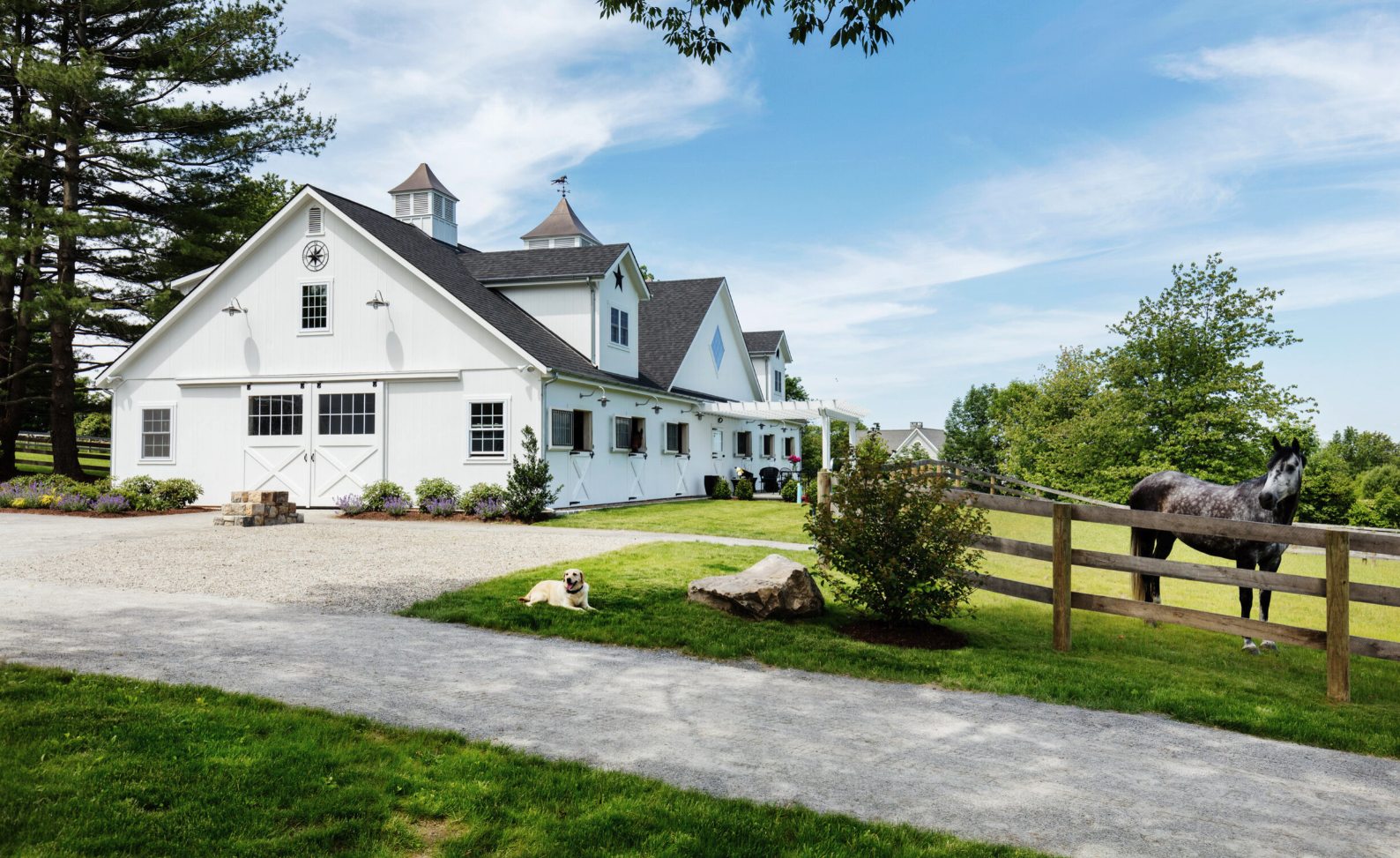
DarkHorse in Ridgefield, CT – the farm that inspired Connolly’s new businesses, Stables4Sport and SportHorse Tech.

Contact the County about the EAR:

For any additional questions regarding the EAR process, please email Planning@MarionFL.org with your subject line including 'EAR' or call us at 352-438-2675 & ask for a planner.

https://www.marionfl.org/agencies-departments/departments-facilities-offices/growth-services/planning-zoning/ear

The workshops will be livestreamed. Check the County’s agenda webpage for the link: https://marionfl.legistar.com/Calendar.aspx

HFF Welcomes Kimberly Van Kampen As A New Founding Member

HFF Welcomes Kimberly Van Kampen As A New Founding Member

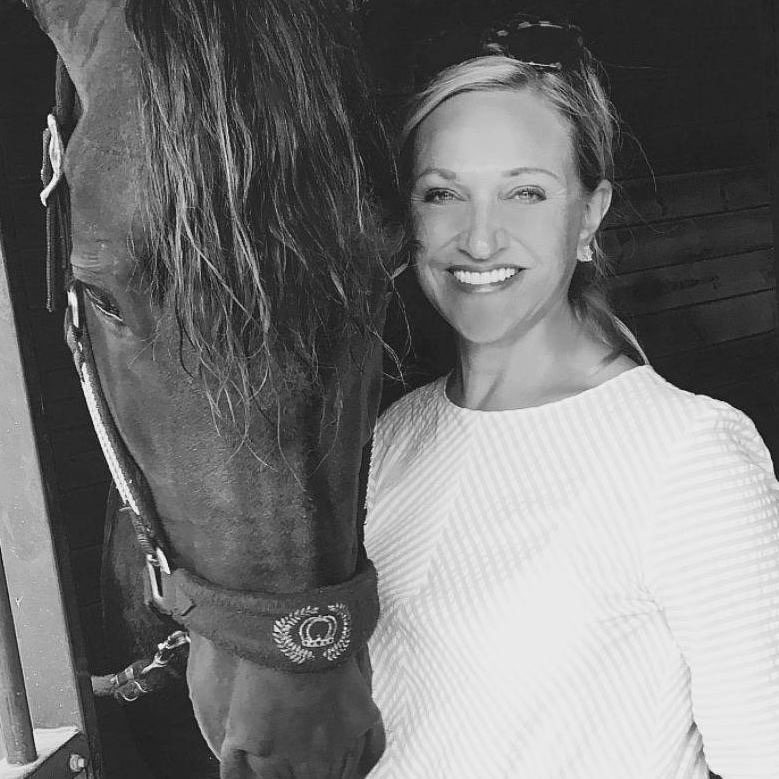
Kimberly Van Kampen  Photo source

Marion County is growing by leaps and bounds, but with the opening of the World Equestrian Center (WEC), the horse sport industry is also growing. Most notably, the discipline of dressage has grown with the arrival of several top-level dressage riders and farms.


From Wellington to Ocala

In 2019, Kimberly Van Kampen moved her Hampton Green Farms from Wellington to Ocala. The move to Marion County was inspired by the opening of WEC; so much so, that in 2021 Hampton Green Farms and Discover Dressage became Founding Partners of WEC.

Her generous support of dressage will help grow the sport in Marion County, and it will also help protect horse farms. In 2019, Van Kampen joined Horse Farms Forever® as a Charter Member. This year, she became a Founder Member of HFF and we appreciate her continued support!

Van Kampen’s move to Marion County is big news for the dressage world, as she is one of the founders of the Global Dressage Festival in Wellington and a member of Wellington Equestrian Partners. But after 20 years, she decided to move her investments to Ocala because of WEC.

“The new World Equestrian Center has to be seen to be believed,” said Van Kampen in a Euro Dressage article. “There is no other equestrian show facility like it, in both philosophy and facilities. Both Hampton Green Farms and Discover Dressage, in their own rights, focus their efforts on young horses and youth riders in order to create a solid foundation for future success. We are honored to partner with World Equestrian Center to see dressage grow in this amazing place!”

Dressage For Kids

Van Kampen is one of the most respected breeders of P.R.E. (Spanish) horses in the world and is the past president of the US P.R.E. Association. She is also one of the largest supporters of youth dressage, supporting Lendon Gray’s Dressage4Kids program and the Emerging Dressage Athlete Program through the United States Equestrian Federation (USEF). Van Kampen’s sponsored rider Sophia Schults, had two big wins at the 2022 FEI North American Youth Championships (NAYC). Schults and Conocido HGF, owned by Hampton Green Farms, won an Individual Bronze Medal (Freestyle) and were also part of the NAYC Team Gold Medal.

Van Kampen reflected on her move to Ocala on her Hampton Green Farms website:

“But now, my life is Ocala. Ocala—it even sounds like the beautiful place it is. Rolling pastures and grand oak trees that used to be the playground of the Seminole, and which are now home to thousands of acres of young Thoroughbreds. A genteel Southern aesthetic prevails here: rural and old vs. urban and new (per much of coastal Florida); here more native, more authentic, more raw, definitely outside the bubble. County after county of horse and cattle farms, historic cracker architecture and land grant neighborhoods. The stunning new World Equestrian Center and the ambitious generosity of its owners don’t change the landscape, only accentuate it.”

Horse Farms Forever® welcomes Van Kampen and her medal winning team to Ocala!

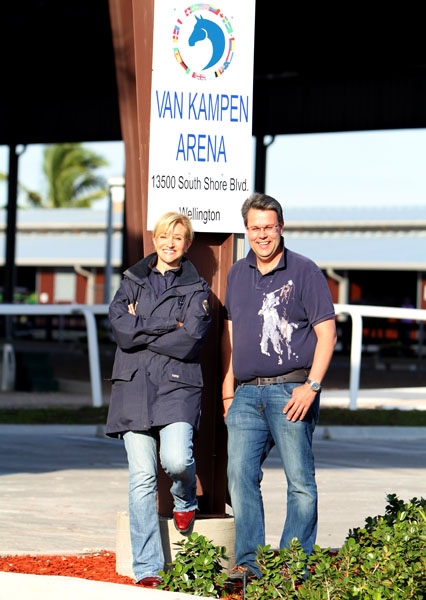
Kimberly Van Kampen, a daughter of the late American financier Robert Van Kampen, at the covered arena her family’s foundation funded at the Global Dressage Festival. With her is Thomas Baur, sports director for dressage at the Palm Beach International Equestrian Center. © 2014 Ken Braddick/dressage-news.com

Kimberly Van Kampen is a well-known name within the dressage community. As the owner of Olympic stallion Grandioso, as well as Hampton Green Farm, Van Kampen is a top supporter of the Adequan® Global Dressage Festival.

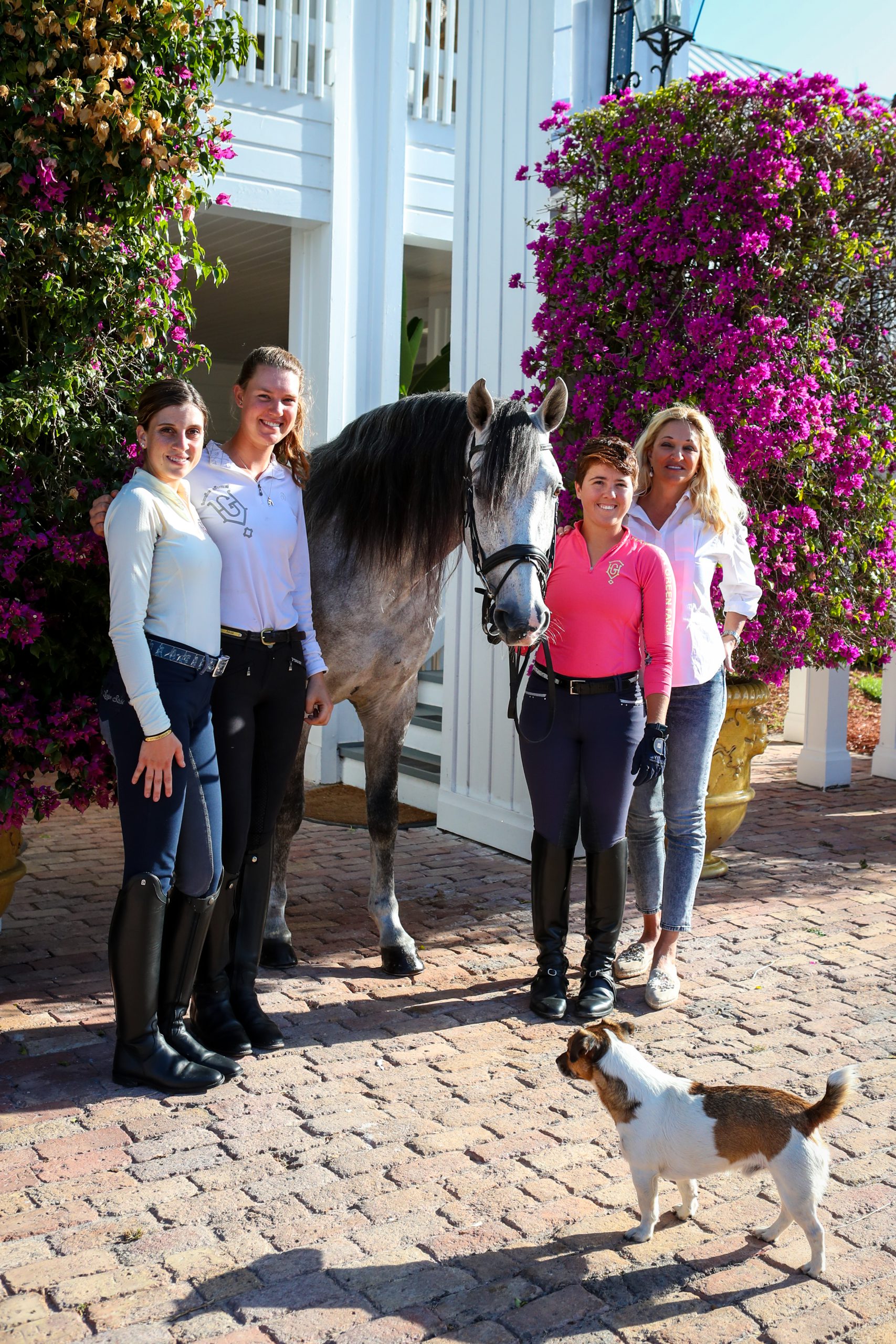
Van Kampen (far right), and the young dressage students she supports: Sarah Roda, Sophia Shults and Kerrigan Gulch, with Vaquero HGF. Photo – Dressage Today.

Contact the County about the EAR:

For any additional questions regarding the EAR process, please email Planning@MarionFL.org with your subject line including 'EAR' or call us at 352-438-2675 & ask for a planner.

https://www.marionfl.org/agencies-departments/departments-facilities-offices/growth-services/planning-zoning/ear

The workshops will be livestreamed. Check the County’s agenda webpage for the link: https://marionfl.legistar.com/Calendar.aspx

United Voices Support the Farmland Preservation Area

United Voices Support the Farmland Preservation Area

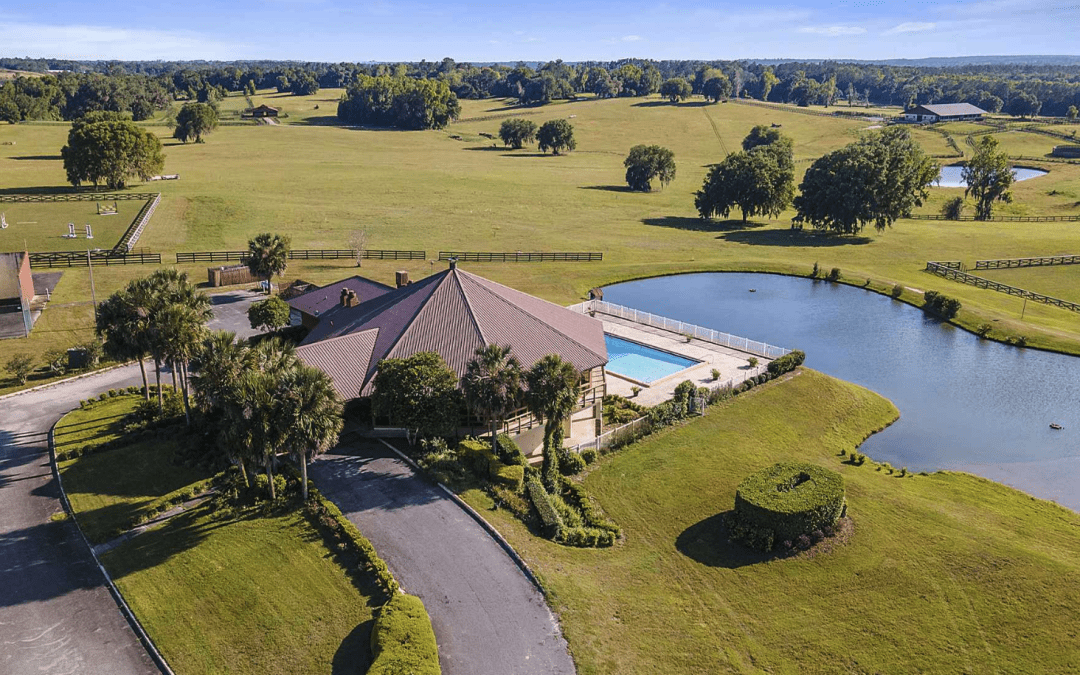
Aerial view of the 10,125 square foot existing clubhouse at Ocala Jockey Club, which sits on the second highest elevation in Florida and features expansive views and spectacular sunsets. Photo: Sotheby’s

On June 21, the Marion County Commission approved Golden Ocala Equestrian Land’s (GOEL) plans for the World Equestrian Center Jockey Club (WEC-JC). Not everyone agrees with their decision, but important and passionate opinions emerged from the community-wide conversation about this matter: the Farmland Preservation Area is a top priority and one of the reasons why many people have chosen Marion County as their home.

While the Commission’s final vote was 3-2 in favor of GOEL’s plans for WEC-JC, their support of the Farmland Preservation Area (FPA) was unanimous. With that said, there were different opinions as to what protecting the Farmland Preservation Area means, especially when it comes to compatible and non-compatible uses. Over the past four years, Horse Farms Forever (HFF) has been focused on our mission to inspire the conservation of horse farms through education, awareness and idea exchange so as to preserve natural pasture land focusing on horses and their habitats.

We believe that the continuation of the Ocala Jockey Club (OJC) as an equestrian event facility under the stewardship of the Roberts family will do more to protect horse farms in that region of the FPA because it is the right type of development to help keep horse farms, as horse farms. And for the most part, the WEC-JC plans aligned with the current use of the property and the former owner’s plans for the property, which included a boutique hotel, retail village, and upscale residential development. The continued use of clustered home sites allows almost half of the WEC-JC property to be reserved for equestrian activities.

You can read our position statement about the plans for WEC-JC here.

You may or may not agree with our position or the Commission’s vote, but of the two most likely current scenarios for the property detailed below, which one does more to protect horse farms in northwest Marion County?

  • Subdividing the entire 1,029 acres into a 10-acre lots?
    • The spectacular view and open spaces would be gone.
    • The 520-acre equestrian event facility and 4-star cross-country course would be gone.
    • The risk of Family Divisions could potentially triple the number of lots.
    • Hundreds of individual wells and septic systems.
  • Clustering 94 lots of 3-acres or more on 420 acres?
    • A higher density of residential areas allows for large, open common areas for equestrian uses.
    • Water and wastewater treatment facility to protect water quality.
    • The 520 acres for open space and the renovation of an existing equestrian event facility.
    • Developing 89 acres to allow for the continued use of the existing clubhouse, adding a RV park and 9 arenas and grand stands for equestrian events (with 9,000 seats total), commercial/retail space, and polo fields.

And there is a third potential future scenario that is most alarming. When a 1,000-acre parcel of open pasture right next to an interstate exit, 20 minutes south of one of the premier universities in the country, and directly next door to Regional Activity Center and designated Commerce/Employment overlay zones is up for sale, our biggest fear is that it will be targeted for commercial development.

If a high-profile company like Microsoft or Apple had partnered with the University of Florida to propose a technology complex there, the economic pressure on the commissioners from the state and the community could have been overwhelming. Especially as we face another potential economic recession.

Population Growth and Supporting the Equine Industry

Our position took into consideration the exponential population growth in Marion County, which is predicted to increase over the next 20 years with 150,000 new residents. This growth will create tremendous pressure on landowners in the FPA to subdivide horse farms and farmland into smaller and smaller parcels. How do horse farm owners resist the pressure to subdivide their land or sell to a developer? Their businesses depend on showcasing the horses they breed, raise, and train at equestrian event facilities.

What would Marion County be without H.I.T.S. and Live Oak International (both located in the FPA), and the World Equestrian Center, Ocala Breeders Sales Arena, the S.E. Livestock Pavilion, the Florida Horse Park, Majestic Oaks, Barnstaple South, and numerous other horse show facilities on private farms, many in the FPA. Now the WEC-JC will be added to this impressive list of facilities and help serve and sustain the growing equine industry in Marion County.

Setting a Precedent

Opening the door to future commercial development in the FPA is a concern shared by HFF, but the majority of the proposed improvements on the WEC-JC property will be to support equestrian events – horse barns, riding arenas, maintenance barns, and restoring the existing cross-country course. The RV parking and multiple arenas and grand stands, plus the addition of commercial space will support the economic viability of the equestrian events. Also, with the WEC-Rural Land Use (see page 4 of the document), this effectively limits the use of the property to equestrian uses only, so the facility cannot be used for rock concerts.

In addition, any future landowner would have to submit an application to change the Land Use to WEC Rural and an application for a Comprehensive Plan Text Amendment to use the WEC Rural Land Use designation for that specific location. Both the Planning & Zoning Commission and the County Commission would evaluate both applications as presented.

The amount and type of commercial uses are consistent with large equestrian event facilities. For example, the Kentucky Horse Park (KHP) covers 1,229 acres and provides space for several tourist attractions and museums, competition facilities, a 5-star cross-country course, 260 RV spaces with a general store and recreational facilities, and office space for more than 30 national and regional equine organizations. KHP also has a 7,400 seat-arena, (Rolex Stadium, main grandstand.)
Let’s look at some of the other issues brought forth, such as the 10-acre lot size requirement for the FPA, the recently adopted HFF Comprehensive Plan Text Amendment, and the existing B-2 Zoning at WEC-JC:

Ten-acre Lots in the Farmland Preservation Area

In the Farmland Preservation Area (FPA), the minimum lot size is 10 acres. While Horse Farms Forever strongly favors maintaining 10-acre or larger parcels within the FPA, there are numerous areas within the FPA where smaller lots exist. For example, there are over 1,000 existing 3-acre lots in the area surrounding the OJC property.

While 10-acre lots are required in the FPA, unless the property is located in a Rural Activity Center (RAC), which allows up to two dwelling units per acre, there is a waiver process in Marion County’s Land Development Code that allows for a Family Division. For example, this waiver enables landowners to divide a single 10-acre lot into 3 smaller lots for the use of immediate family members as their primary residence.

With the Family Division waiver available for landowners, if 10-acre lots were platted on the OJC property, a single 10-acre lot could potentially be further divided into a 4-acre lot, a 3-acre lot and a 3-acre lot, thereby tripling the number of homes. In contrast, the 94 three-acre lots proposed by WEC-JC cannot be further divided, thus ensuring the number of homesites will never be more than 94 lots. In addition, the proposed lots are required to have central water and sewer, which helps protect water quality and spring sheds.

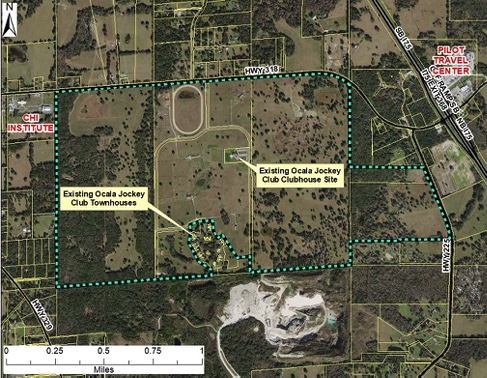
The 94 lots proposed at WEC-JC are consistent with the density allowed on the 1,029-acre property, but instead of being spread out over the entire landscape, they are clustered on 420 acres. This leaves about 520 acres for open space and an equestrian event facility. The OJC property already has 34 existing clustered townhouses, so there is consistency in this planning.

Horse Farms Forever® Comprehensive Plan Text Amendment

The Horse Farms Forever® Amendment, which requires that all Zoning Requests and Special Use Permits be consistent with the goals of the Farmland Preservation Area, became effective on April 30, 2022. The WEC-JC application was submitted before the HFF Amendment became effective, therefore, while all future applications will have to meet this standard, it does not apply to the WEC-JC application.

Nine Arenas with 9,000 Seats TOTAL

The WEC-JC application includes a Development Uses chart with the proposed uses. See page 5 here. There are 9,000 Seats for the: Arena & Event Facilities at WEC with accessory concessionary uses (snack bars, limited retail, etc.) The 9,000 seats will be dispersed at 9 different arenas and several event facilities, and with the WEC Rural Land Use category, the use is limited to equestrian events only. See page 4 and 5 here for the list of proposed arenas at WEC-JC and here for a list of existing arenas at WEC Ocala.
Existing B-2 Zoning at the Jockey Club

It’s important to remember that the WEC-JC has a designated zoning that gives the owner the right to use those property rights. On the WEC-JC property, there is a pre-existing commercial site of 5.84 acres with B-2 Zoning for the clubhouse and surrounding area. B-2 Zoning allows for commercial uses including hotels, nightclubs and RV rentals.

Process and Next Steps

GOEL will submit a Master Plan for approval by the County Commission and a Developer’s Agreement for the water and wastewater treatment plant and the roadway improvements within 6 months. GOEL is responsible for their proportionate share of the roadway improvements.

As part of the state’s review of the WEC-JC application, while there were no objections, several state agencies provided comments and made recommendations including the Division of Historical Resources and the Florida Fish and Wildlife Conservation Commission. Any potential historic resources or endangered wildlife will be addressed by each respective agency. Also, the addition of a water and the wastewater treatment plant will help protect water quality.

What Makes This Slice of the Farmland Preservation Area Unique?

What makes the OJC’s location in the Farmland Preservation Area unique is threefold:

  1. It is already approved as an equestrian event facility, which includes almost 6 acres zoned B-2 for commercial use and 34 townhouses on clustered residential lots.
  2. It is bordered on 3 sides by existing commercial uses: a teaching veterinary college with dormitory, an active lime rock mine and a 400-lot recreational vehicle park.
  3. It is bordered on the east by overlay zones including a Regional Activity Center and two Future Land Use designations of Employment Center and Commerce District, all slated for high density commercial development.

The 453-acre Irvine/Sunny Oaks Regional Activity Center (RGAC) is adjacent to the Highway 318 interchange on I-75. This interchange includes a Future Land Use Element designation in the Comprehensive Plan that includes an Employment Center, a Commerce District and a Regional Activity Center (RGAC). While this parcel is within the Farmland Preservation Area boundaries, these Future Land Use designations overlay and override the Farmland Preservation Area regulations and restrictions.
As a result of the above designations and classifications, the owner of this I/SO parcel inside the RGAC has a legal right to rezone this parcel from agriculture to an implementing zoning district for the specific Future Land Use designation. This legal right was established in 2012 when the RGAC was created and revised in 2014. While the requested zoning change is to Planned Unit Development, there are other options that would satisfy the legal obligation of the County to rezone the property to an implementing zoning district. Nonetheless, they all allow significant retail, commercial and industrial development.

Regrettably, the fate of the Irvine/Sunny Oaks area was sealed a decade ago by these Future Land Use designations. At that time, Marion County was coming out of a recession and faced with high unemployment.

Finding the Balance

Growth is here in Marion County. With the growth pressures, it’s important to support responsible growth and to find the balance between our urban and rural areas. When there are different opinions on such a divisive issue, a collaborative approach can help find the middle ground and areas that we can agree on, and then, move forward as a community. One of the most significant outcomes of the June 21 meeting is the level of community wide engagement about protecting the Farmland Preservation Area – from the Marion County Commission, to the Ocala Metro Chamber of Economic Partnership, and to environmental groups and landowners.

Every speaker at the June 21 meeting spoke passionately about protecting the FPA. This same strong sentiment was also ranked as the most important issue facing Marion County by over 90 percent of the people who responded, in the recently conducted county-wide Quality of Life Survey, organized by HFF.

Conservation Easements Protect Land from Development

We also hope that landowners who are concerned about future development, will take this opportunity to explore land conservation options to protect their land for future generations. The only way to protect private land from development, in perpetuity, is with a conservation easement. If the previous owners of the OJC had placed a conservation easement on the property, they could have permanently controlled its future development and use.

When a landowner places a conservation easement on their property, they make the decisions about what will happen to their property in the future – not the government or elected officials. We are happy to help facilitate this conversation and provide resources to interested landowners.

In the long term, the community may come to embrace the WEC-JC and see it as positively impacting the FPA and further cementing our brand as Horse Capital of the World®, making Marion County a unique destination unlike any other.


HFF will be holding our Third Annual Conservation Summit this fall on Tuesday, November 22 at the Ocala Breeders’ Sales Arena. The theme will be Transportation. We will release further details as the event nears, and we hope you will mark your calendar and join us as we continue this very important conversation to help protect what we love most about Marion County – the open spaces and beautiful places.

We hope you will join Horse Farms Forever and support our mission.

Contact the County about the EAR:

For any additional questions regarding the EAR process, please email Planning@MarionFL.org with your subject line including 'EAR' or call us at 352-438-2675 & ask for a planner.

https://www.marionfl.org/agencies-departments/departments-facilities-offices/growth-services/planning-zoning/ear

The workshops will be livestreamed. Check the County’s agenda webpage for the link: https://marionfl.legistar.com/Calendar.aspx