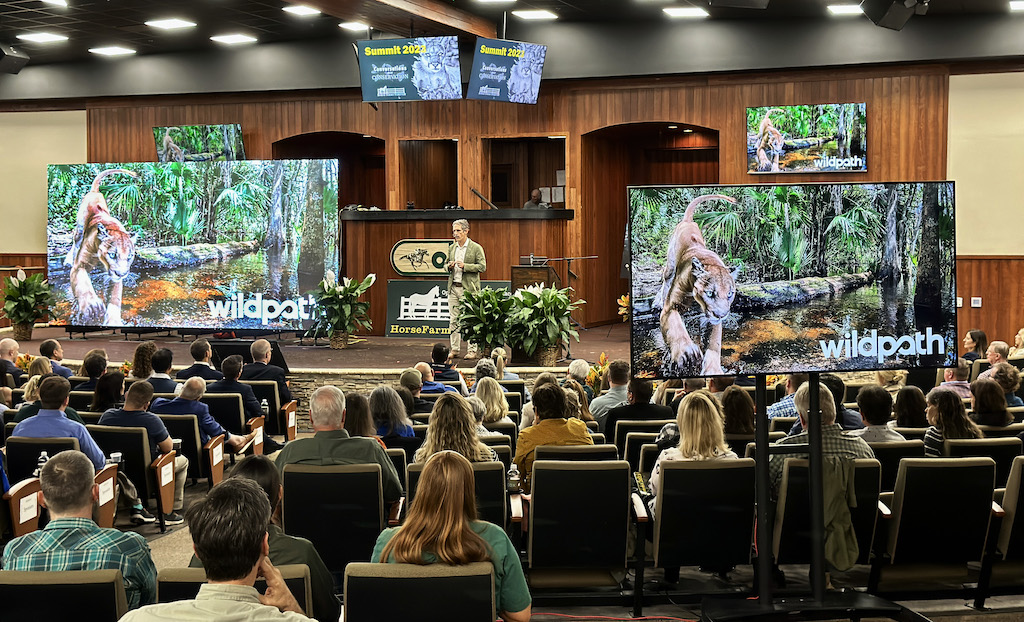
Wild Florida Celebrated at 2023 Conservation Summit

Wild Florida Celebrated at 2023 Conservation Summit

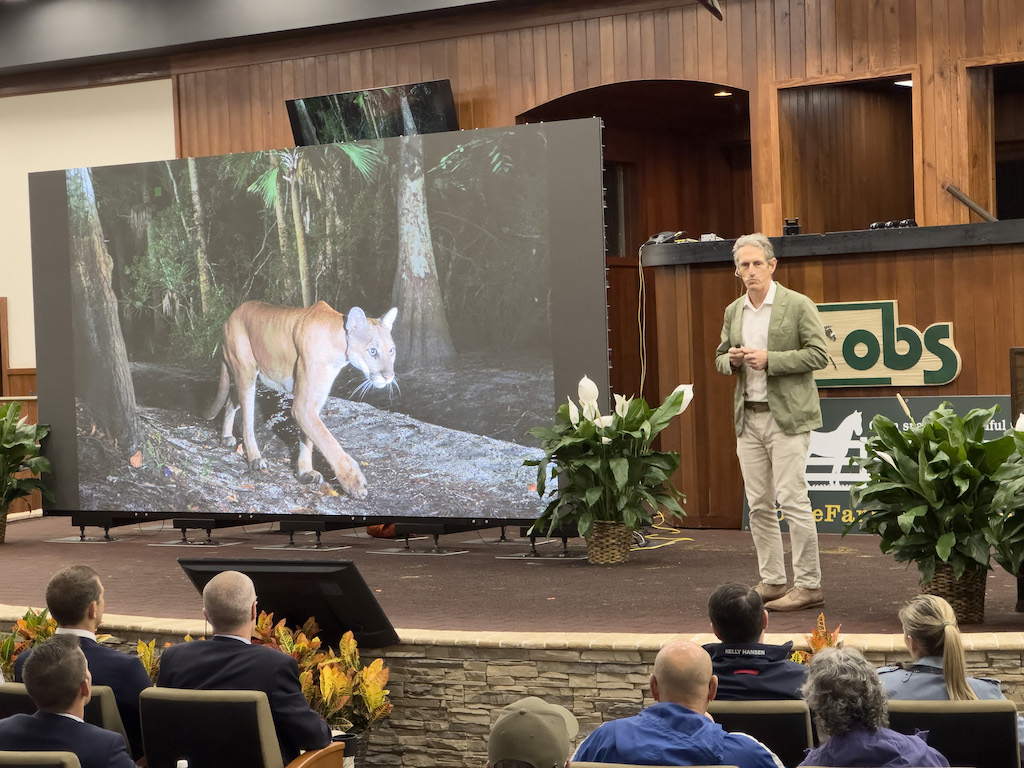
Keynote speaker Carlton Ward, Jr. inspired us with his stunning photography and film of the Florida Wildlife Corridor. 

Record Turnout

On Thursday, November 16th, a large and enthusiastic crowd turned out to hear Path of the Panther creator, Carlton Ward, Jr. speak and learn more about the Florida Wildlife Corridor, despite the torrential rains and wind that night. It was clear that our goal to raise awareness for the Corridor and inspire the community to think about conservation was accomplished. Over 500 people filled the auditorium at Ocala Breeder’s Sales, who have so graciously hosted the Conservation Summit free of charge for the third year in a row.

The Conservation Summit has become a major fixture on the calendar, and the passion for conservation and land stewardship in that packed auditorium was absolutely palpable, and not just from farm and land owners. The speakers were riveting, the refreshments excellent and the whole presentation so very professionally and seamlessly choreographed. I know how much work and thought had gone into planning and executing the evening, and I felt proud to be a small part of this fine movement.
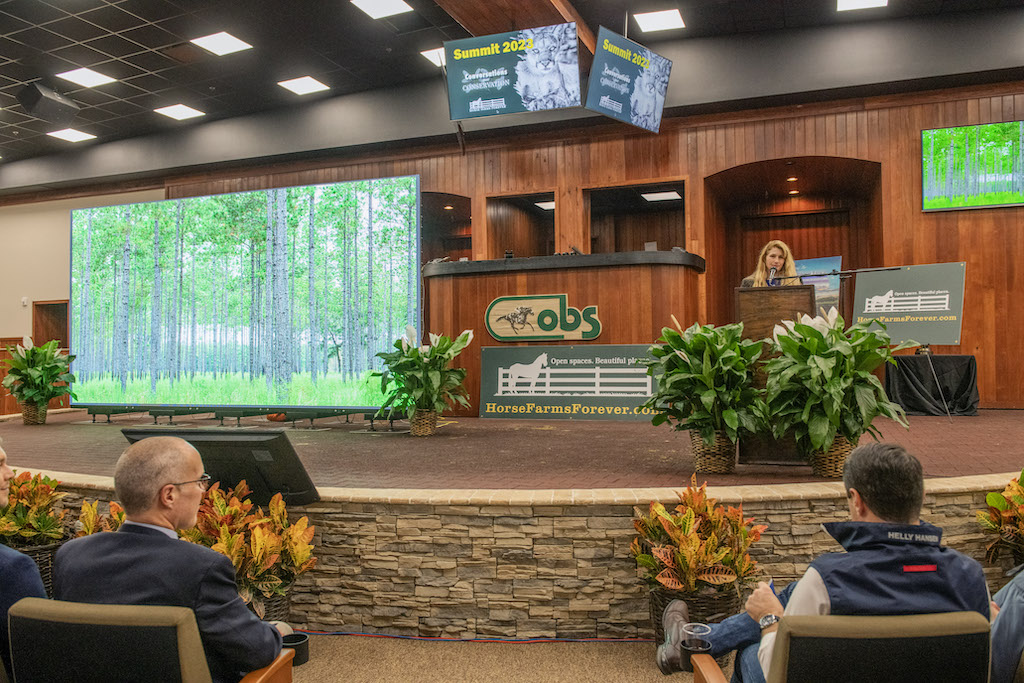
Nick de Meric

HFF Founder and Board Member, de Meric Thoroughbred Sales

HFF Director of Conservation Strategies Busy Shires shared a recap of HFF’s accomplishments in protecting the Farmland Preservation Area since its inception 5 years ago.


Powerhouse Presentations

Mallory Lykes Dimmitt, CEO of the Florida Wildlife Corridor, began the Program by sharing how the Florida Wildlife Corridor came to be. Dimmitt is a close colleague of Carlton Ward, Jr., and together with him and another colleague, Joe Guthrie, they embarked on a 1000 mile journey in 100 days in 2012 to raise awareness about this connected landscape. They started in the Everglades and ended in the Okefenokee Swamp across the Florida/Georgia border. That resulted in their first documentary film, Florida Wildlife Corridor Expedition. Another 1000-mile trek began in the Everglades Headwaters and stretched west along the Big Bend coast and the Florida Panhandle to the Gulf Islands National Seashore at the Florida/Alabama border. That journey led to a documentary known as The Forgotten Coast. As awareness of the Corridor grew, they started routing their expeditions to more densely populated edge areas experiencing rapid growth with an urgent need to accelerate the pace of conservation, most recently following the journey of 3 military veterans from Ocala to Osceola National Forests. The Foundation just previewed that short film, called O2O: Path to Connection, which will premiere at Camp Blanding in February. These films have been punctuation marks that are extremely effective in telling the story of the Corridor. 
We stand at the crossroads of preservation and progress, witnessing firsthand how this remarkable Corridor breathes life into our communities and fuels the spirit of exploration. It’s not just a space on the map; it’s a living testament to the resilience of nature and the legacy we craft for generations to come.
Mallory Lykes Dimmitt

CEO, Florida Wildlife Corridor Foundation

“Standing here today, I have renewed hope that the story of the Florida panther rising up out of South Florida swamps will continue inspiring a movement to save the Florida Wildlife Corridor and keep the Everglades connected to the rest of America.”
Carlton Ward, Jr.

Path of the Panther

Dimmitt introduced Carlton Ward, Jr., National Geographic Explorer, photographer and film maker. Ward was quick to point out some little known facts about what the Florida Wildlife Corridor protects, such as cattle ranches which still take up 1/6 of Florida’s land mass, black bears, corals in the Florida Keys, freshwater springs, longleaf pine forests and of course, the rare Florida Panther. He then took us on a journey through his career as an explorer and the ups and downs of capturing images of the elusive panther using camera traps.

His family owns a ranch in the Peace River Valley. Several of his cousins are full-time cowboys in the Greater Everglades. His great-grandfather was Doyle E. Carlton, the 25th governor of Florida. He’s an eighth generation Floridian.

I started this journey inspired by bears, cowboys and panthers. I enter this phase of the journey motivated by my children. The bears and panthers show us what we need to do to save Florida, while giving ranchers and other rural Floridians viable alternatives to development that will otherwise overtake their lands.
Carlton Ward, Jr.

National Geographic Explorer, photographer, film maker, Wildpath

Wildpath

Ward’s organization, Wildpath, is pursuing new projects now that the Path of the Panther book and movie are enjoying widespread acclaim and success. With storytelling and conservation grants from National Geographic, they are starting a new project called Gulf of Mexico: Paths to Protection. The project began working with global ocean ambassador Dr Sylvia Earle, who was the first person to scuba dive for science in the Gulf of Mexico more than 70 years ago. This initial focus is celebrating the seagrass beds of what Sylvia calls The Wilderness Coast – wrapping from north of Clearwater to Tallahassee. From the seagrasses, the project will follow the movements wildlife such as five species of sea turtles that rely on Wilderness Coast Estuaries, through the Gulf of Mexico, and beyond.

Back on land, Wildpath is starting a new project advocating for the protection of large-scale wildlife corridors surrounding military bases throughout America. They are working with the Department of Defense, USDA, and US Dept of the Interior.

And of course, they continue to deepen the story telling about the Florida Wildlife Corridor by sending photographers to all regions of the Corridor to document the wildlife. This is being compiled into a story map which you can view in real time on wildpath.com.
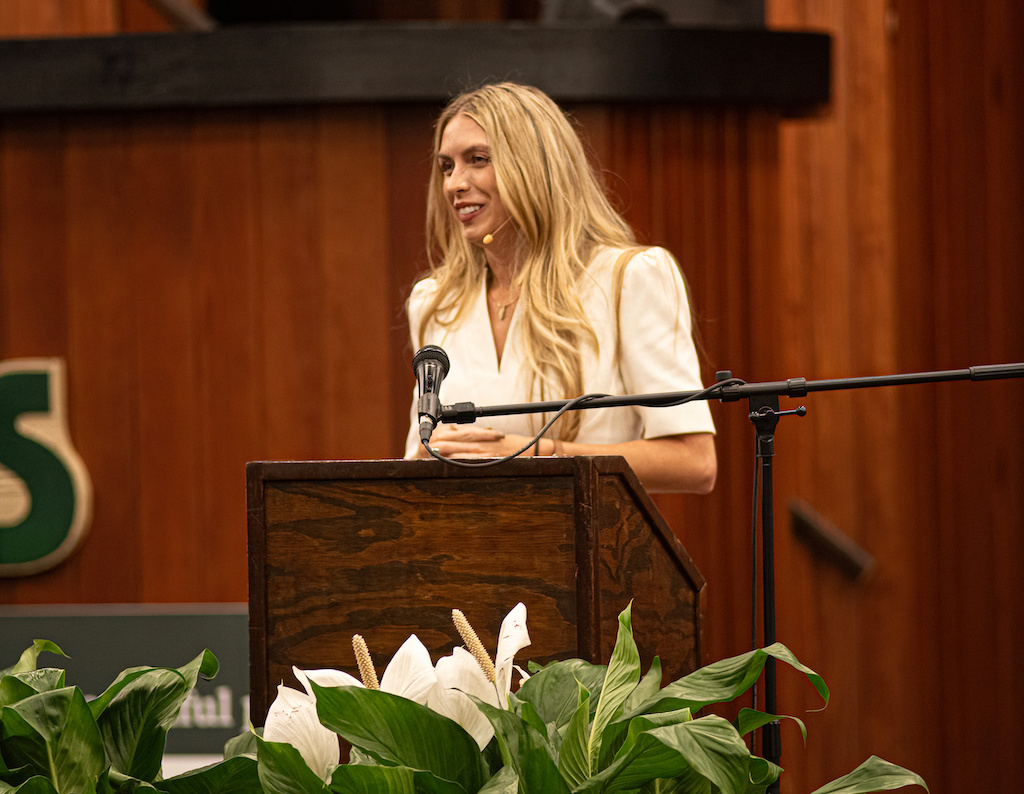
 

Traci Deen from Conservation Florida shared the news about conservation easements underway in Marion County.

Conservation Florida

Ward introduced the final speaker, Traci Deen, Esq., President and CEO of Conservation Florida. Deen’s organization saves land by facilitating, accepting or purchasing donations of land conservation easements and serving as a statewide conservation partner to other organizations. As a partner in the Florida Wildlife Corridor, they are actively using some of the $2billion in state funding allocated for the corridor to purchase easements on private working lands that enable the owners to continue working the land while at the same time keeping it available for wildlife habitat.

About 43% of Marion County’s land mass is included in the Florida Wildlife Corridor. The Ocala National Forest (ONF), at over 430,000 acres, is one of the largest pieces of the puzzle. The goal is to connect additional conservation lands such as the ONF, the Cross Florida Greenway, Rainbow Springs State Park, and Silver Springs State Park by protecting private land with conservation easements.

A small portion of the Farmland Preservation Area (FPA) in northwest Marion County is part of the Florida Wildlife Corridor. The FPA section of the corridor will help connect Paynes Prairie State Preserve to the Goethe State Forest.
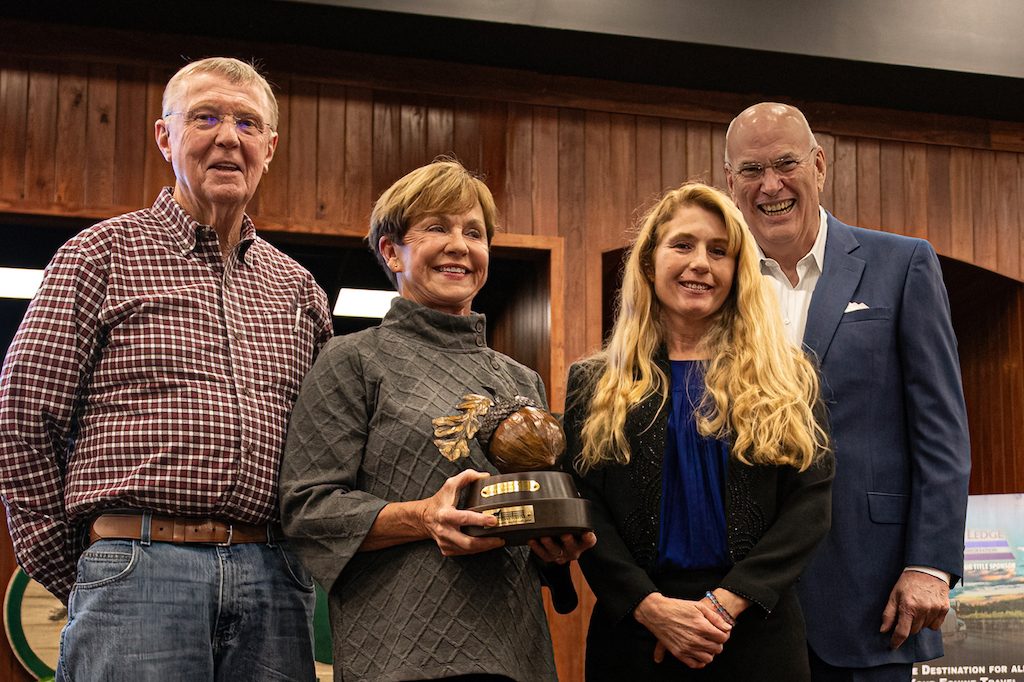
From Tiny Acorns, Mighty Oaks Grow

The Acorn Award, sponsored by Horse Farms Forever, is given annually to a Marion County landowner who has exemplified what it means to protect and honor the open spaces and beautiful places that make Ocala/Marion County unique. This year, we were honored to present the Award to Shirley and John Rudnianyn, owners of Blitch Plantation and one of the largest landowners in the County. Blitch Plantation is a 4,500 acre farm with timber, cattle and wildlife habitat. The Rudnianyns recently purchased approximately 18,000 acres in the Fort McCoy area and have assembled a team of experts including foresters, soil and wetland scientists and several conservation organizations to help restore the tract for sustainable timber, cattle grazing, and hunting. This tract is an important connector between the Ocala National Forest and the Osceola National Forest.
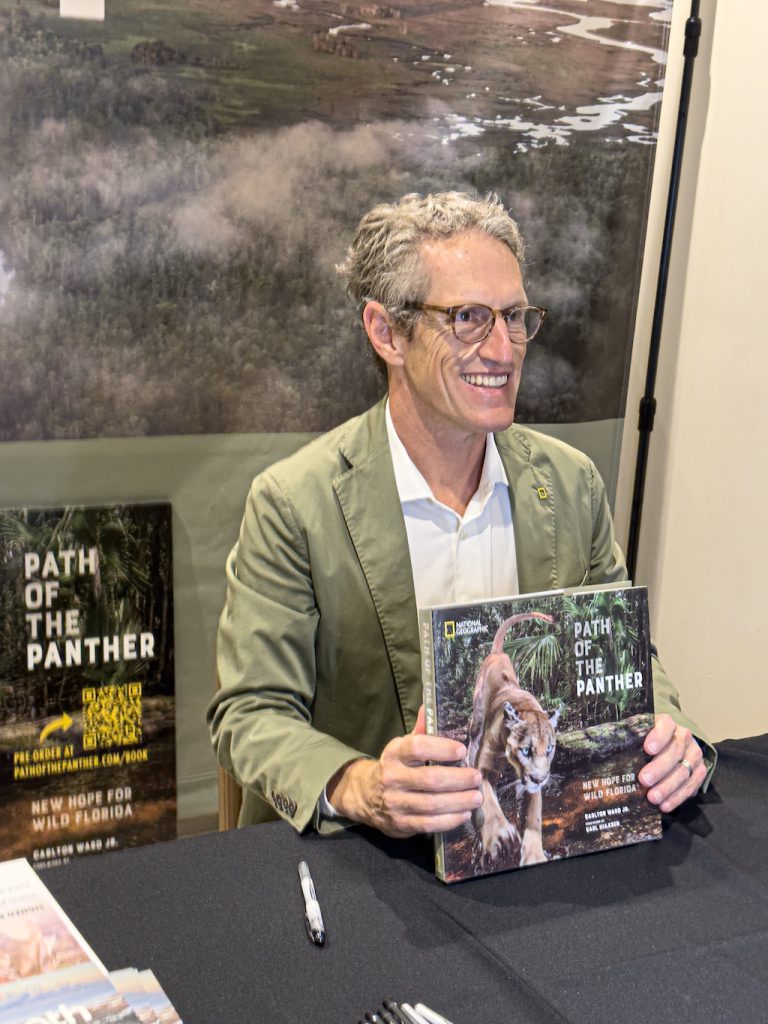
Carlton Ward, Jr. signed books before and after the Program.

Special Moments

The evening’s events began with a Path of the Panther book signing while guests enjoyed a cheerful reception, refreshments, and toured the hospitality booths of Sponsors. Rubbish the Raccoon, Marion County’s rap-singing mascot for it’s No Horsin’ Around Litter Campaign was a favorite photo opportunity. Gentle Carousel Miniature Therapy Horses once again came as our special guests to let everyone meet one of their sweet miniature horses and learn about their mission to encourage and uplift people in need. The Saint Bernard Foundation honored Marion County’s No Horsin’ Around Program with a $10,000 donation presented at the Summit. Horse Farms Forever received a $125,000 bequest from the Cathy D. Perry estate, presented by Cathy’s son, Brandon Perry and his wife, Diannah.

I’ve been coming to OBS since I was 10 years old. It is the Marion County horse industry that has moved me to Ocala several times throughout my life, as an assistant farm manager, large animal veterinary technician and as a Thoroughbred farm owner. It was so surreal to say the least to present this check in honor of Brandon’s moms legacy last night to Horse Farms Forever to help preserve and protect the horse country that I love, at the place that brought me to Ocala so many years ago.
Diannah Perry

Philanthropist, Realtor and Founding Member of Horse Farms Forever

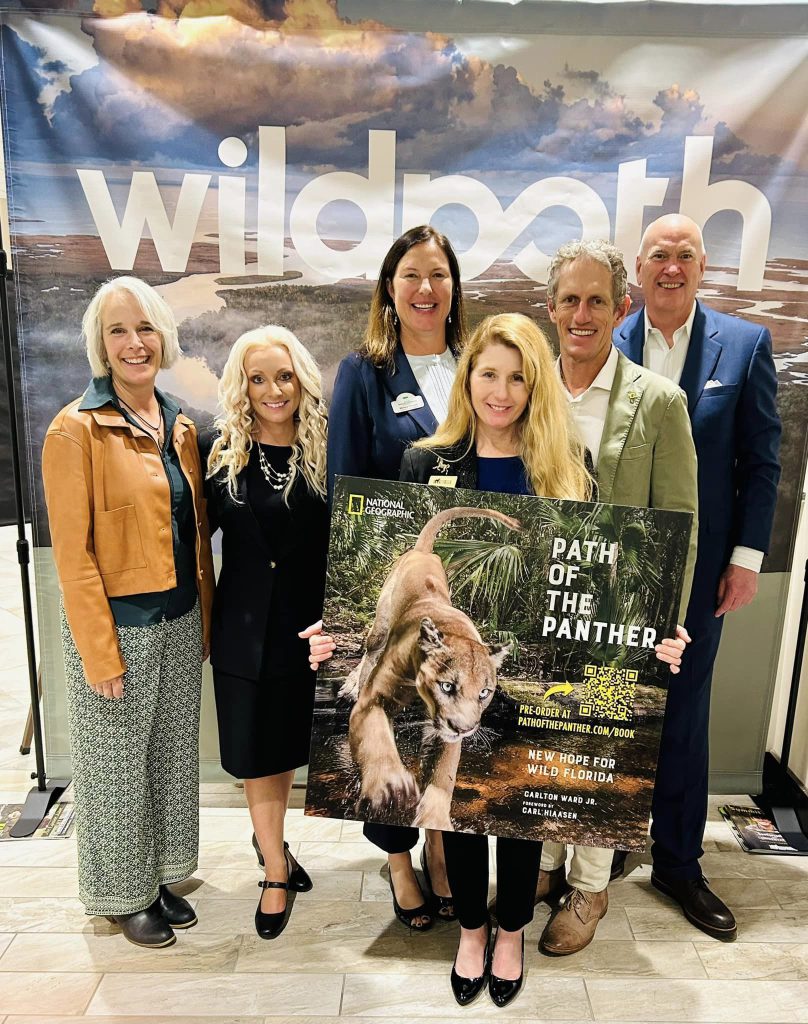
HFF Staff: Michelle Grald, Sara Fennessy and Busy Shires with Mallory Lykes Dimmit of the Florida Wildlife Corridor and Carlton Ward, Jr., National Geographic Explorer and author of Path of the Panther, Bernie Little.

A Promising Partnership

Conservation Florida and the Florida Wildlife Corridor are valuable partners as we continue the conversation about conservation in Marion County, particularly in the area of conservation easements, which are the only way to permanently and irrevocably preserve tracts of land that are privately owned.

GALLERY

Photos by Sean Dowie Photography
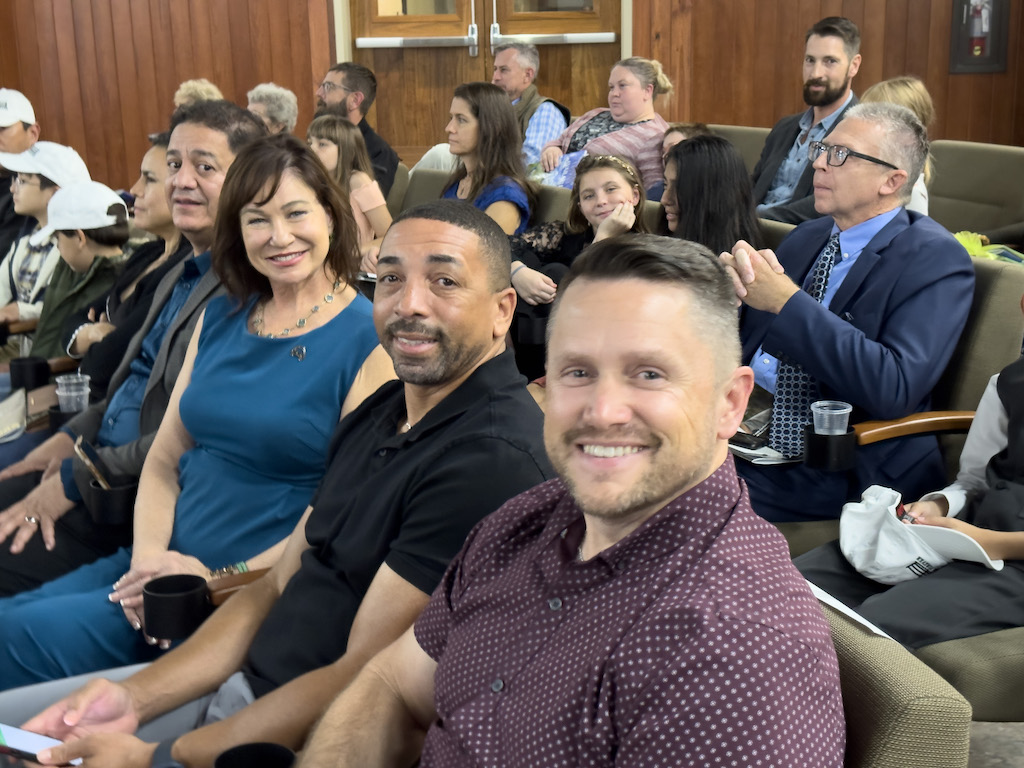
The rainy evening didn’t put a damper on the enthusiasm from the audience.
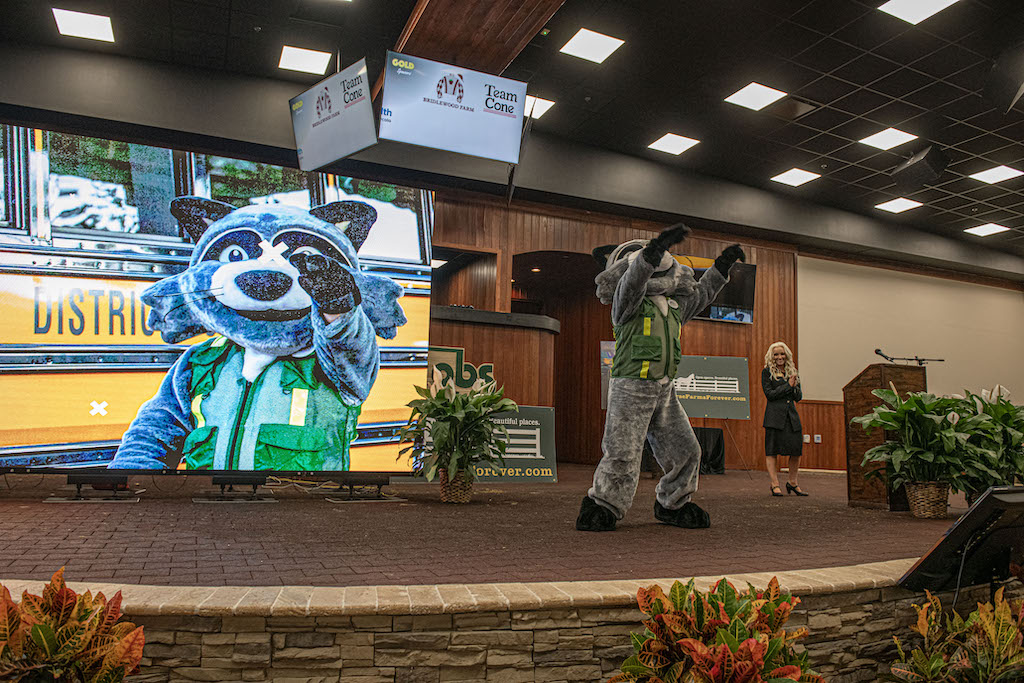
Rubbish the raccoon, the mascot for Marion County’s No Horsin’ Around Litter Clean Up Campaign kicked off the program and showed us some moves.
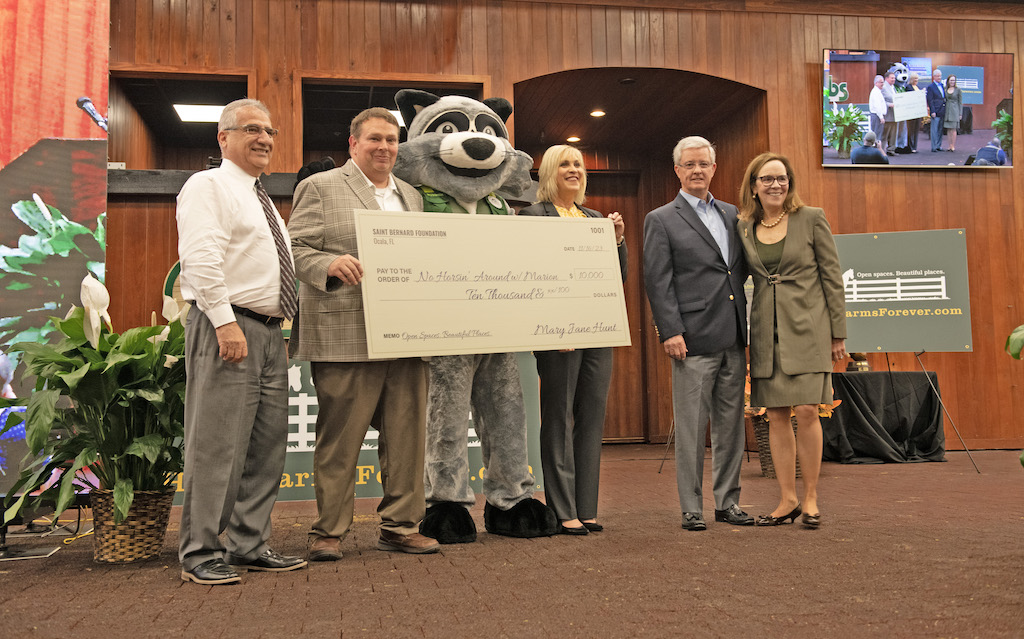
Mary Jane Hunt (far right) from the Saint Bernard Foundation presented a check for $10,000 to Marion County’s No Horsin’ Around Litter Campaign. She is shown here with County Administrator Mounir Bouyones, Mark Johnson, Rubbish, Commissioner Michelle Stone and Commissioner Craig Curry.
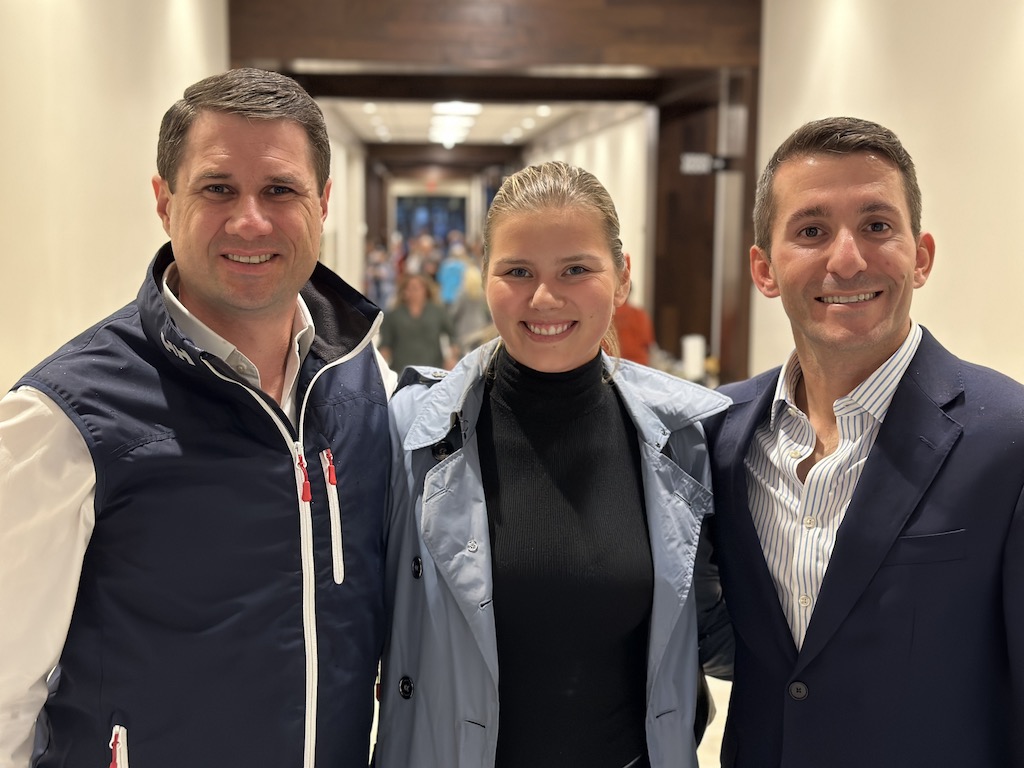
Nate and Dasha Chambers with Matt Marcin of J.P. Morgan Private Bank.
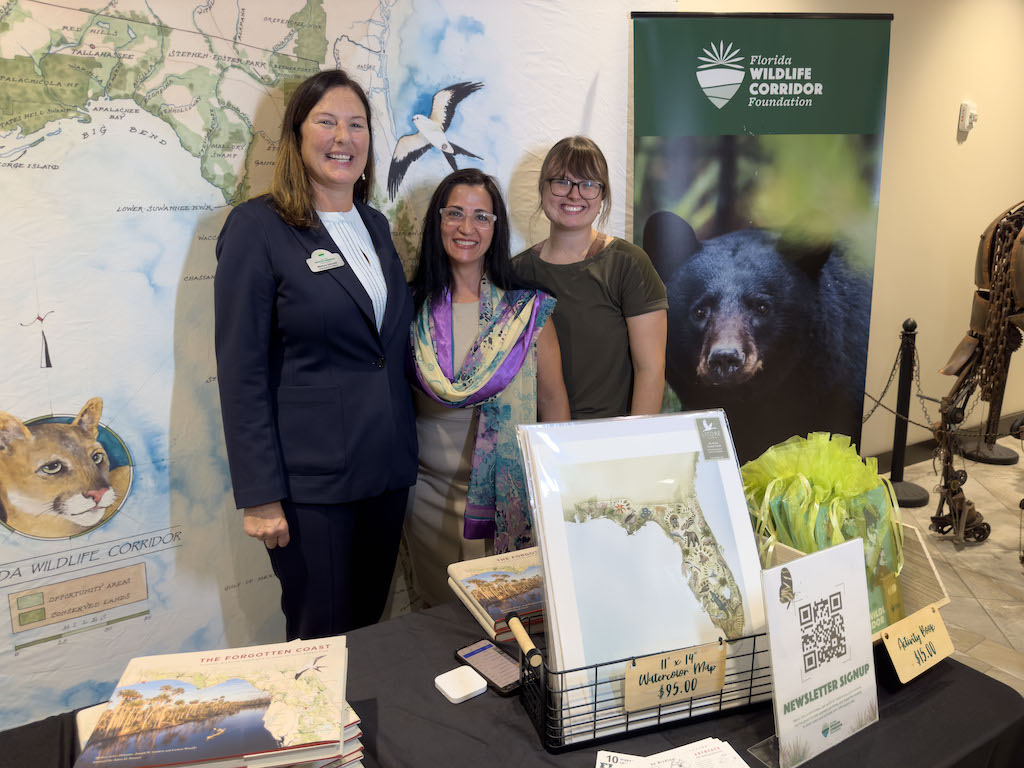
Mallory Lykes Dimmitt with Danna Bramlett and Adrienne Lewis of the Florida Wildlife Corridor.
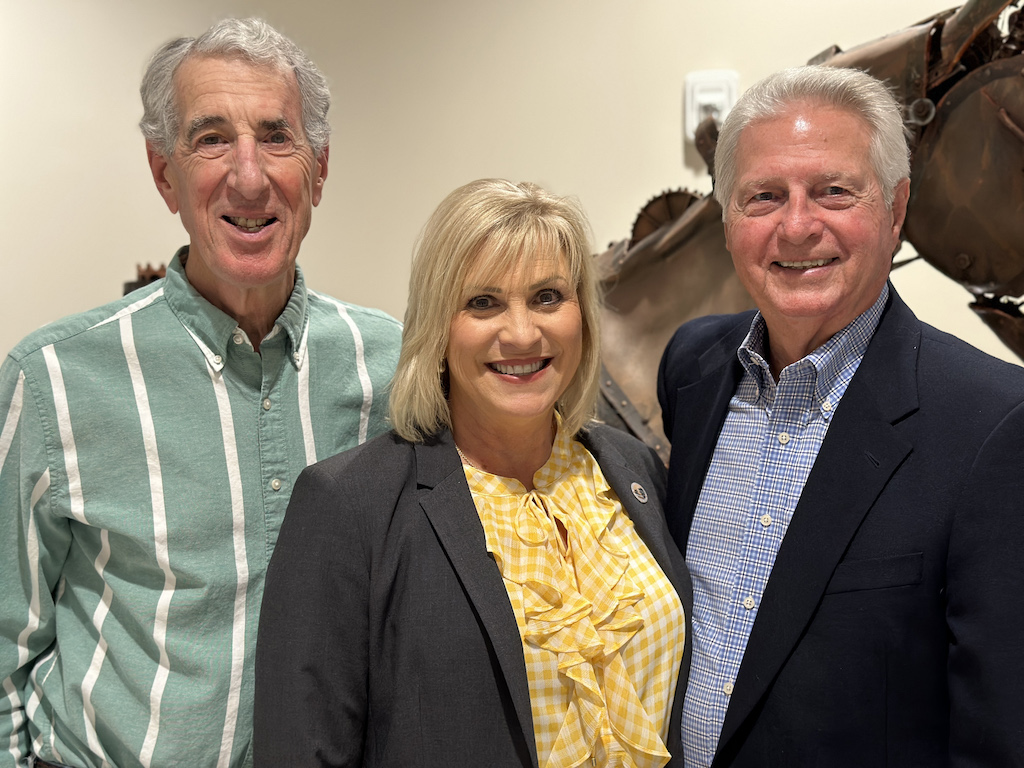
HFF Board Member Paul Kaplan with Commissioner Michelle Stone and her husband, Charlie Stone.
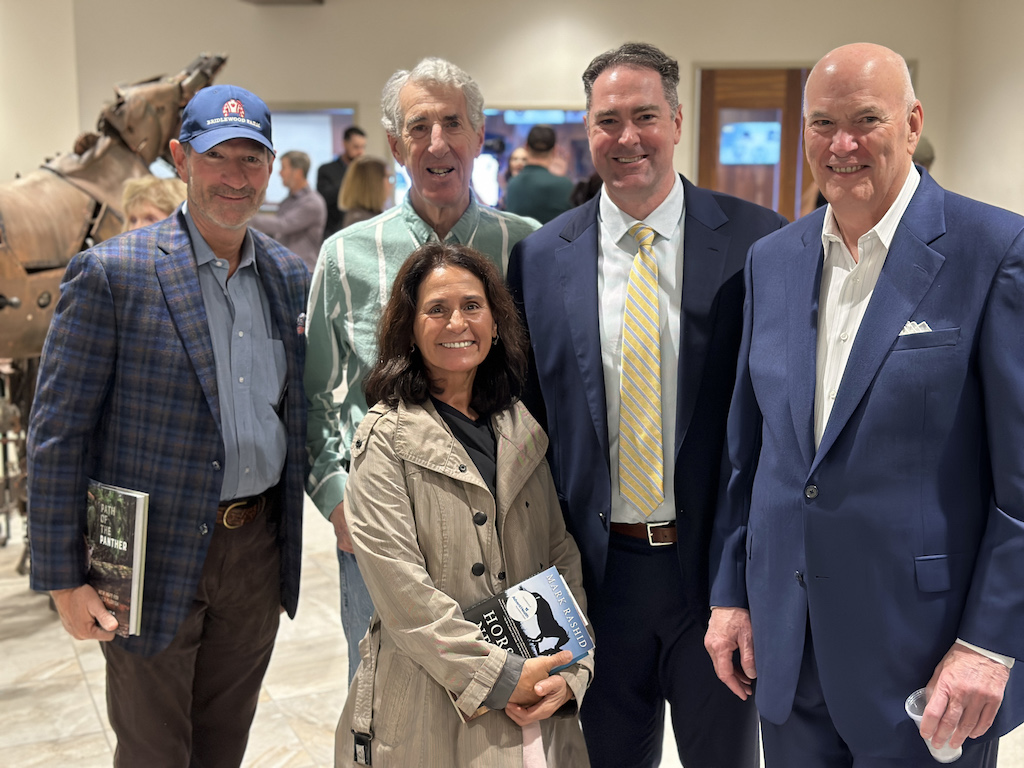
HFF Board Members: George Isaacs, Paul Kaplan, Elma Garcia Cannavino, and Bernie Little along with Attorney Matt Brockway from Icard Merrill.
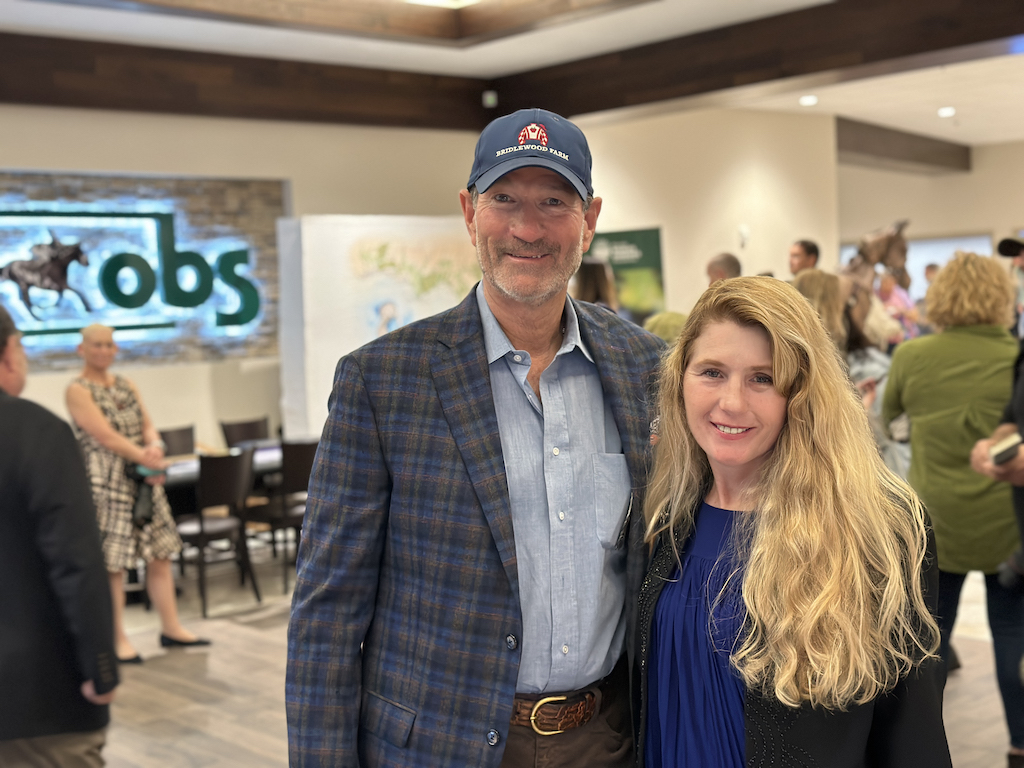
Bridlewood Farm’s General Manager, George Isaacs, who is an HFF Board Member and is also the current president of the FTBOA, along with HFF Director of Conservation Strategies, Busy Shires.
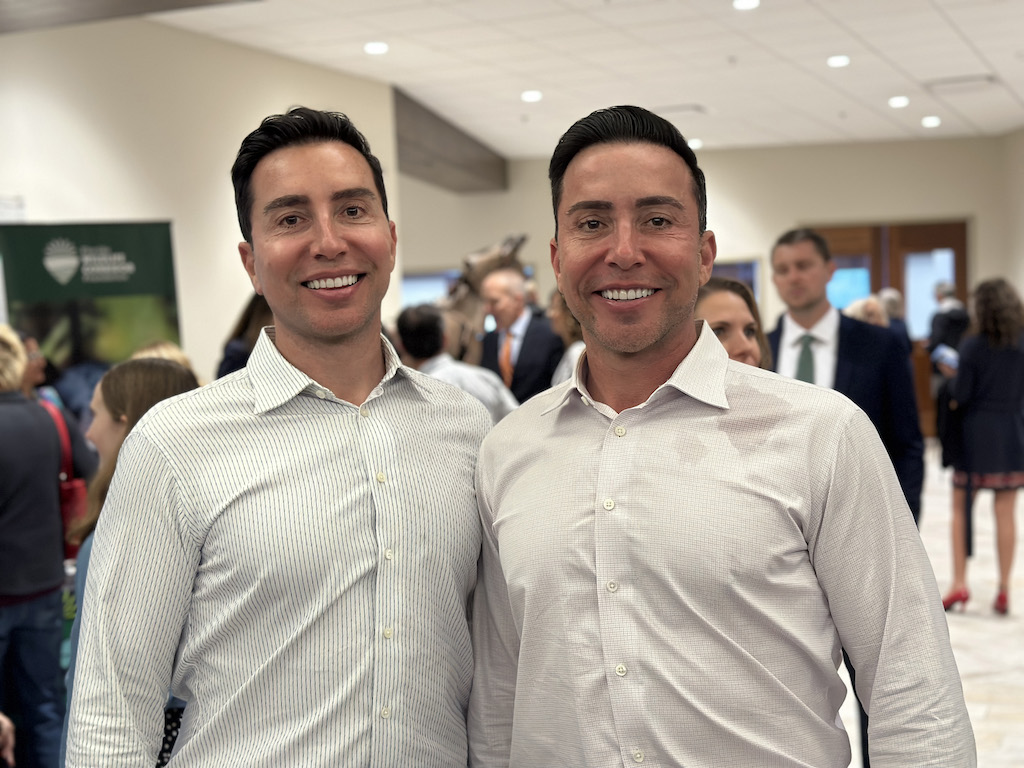
Ocala Horse Properties’ Principals, Chris and Rob Desino, who are Founders of Horse Farms Forever. Rob currently serves as the Board Vice President.
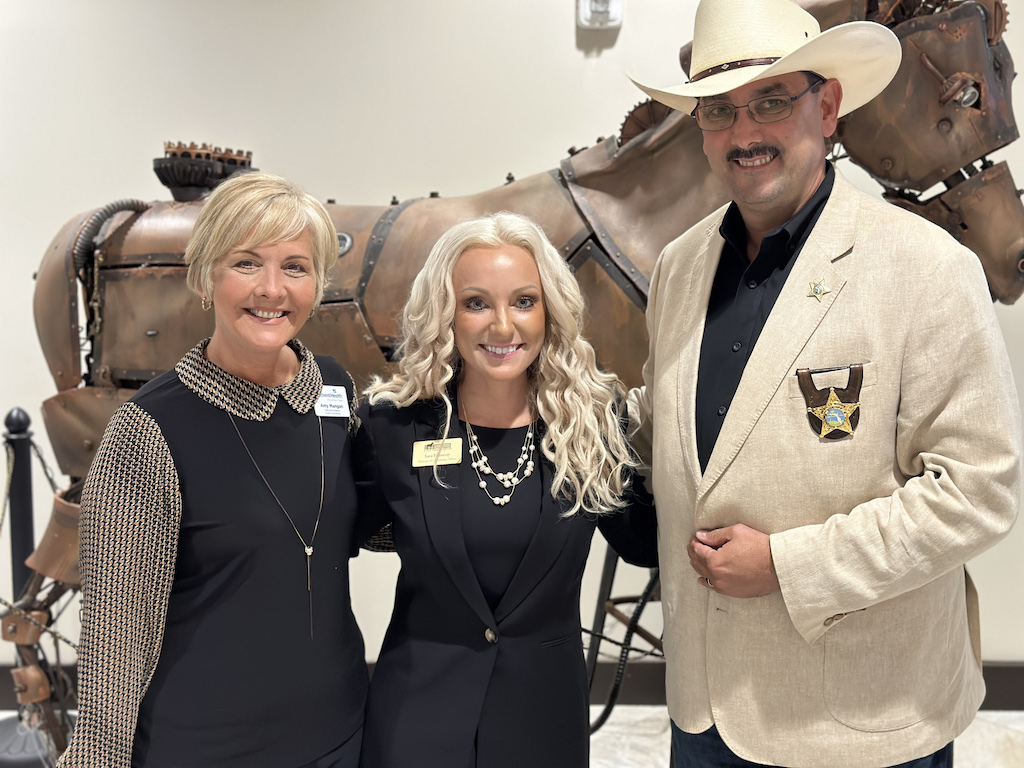
Amy Mangan, Executive Director of AdventHealth Ocala Foundation, HFF’s Sara Fennessy and Sheriff Billy Woods
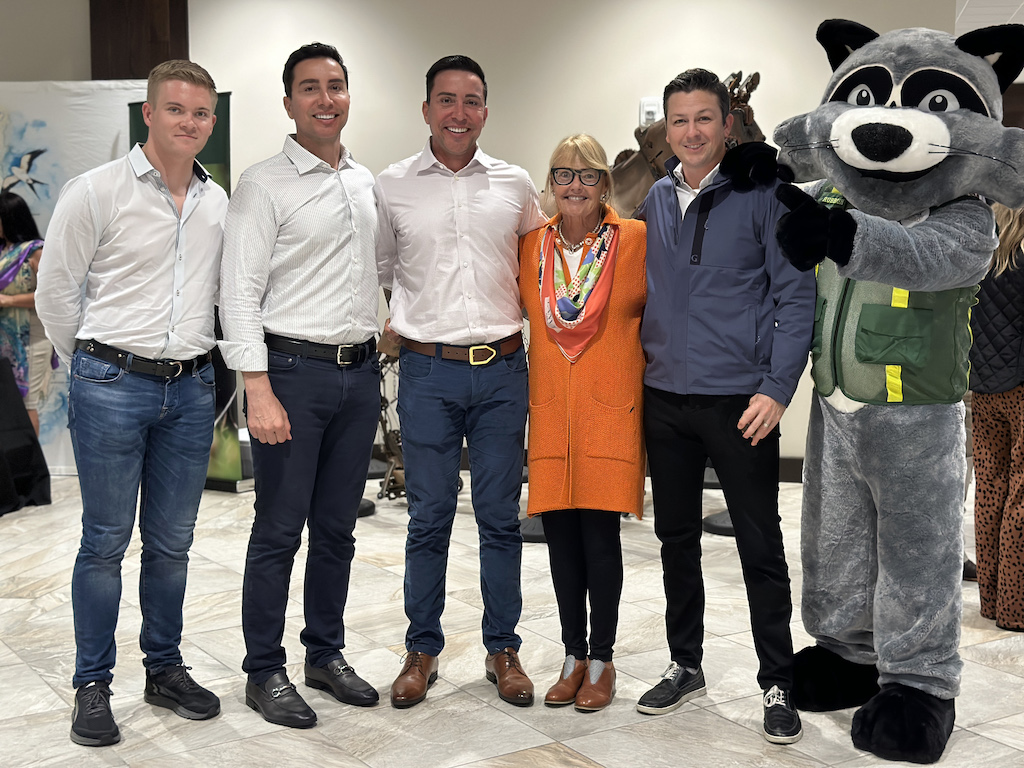
Dilan Bower-Desino, Rob Desino, Chris Desino, Nancy DeCavaignac, Matt Varney and the ever-present Rubbish the Raccoon.
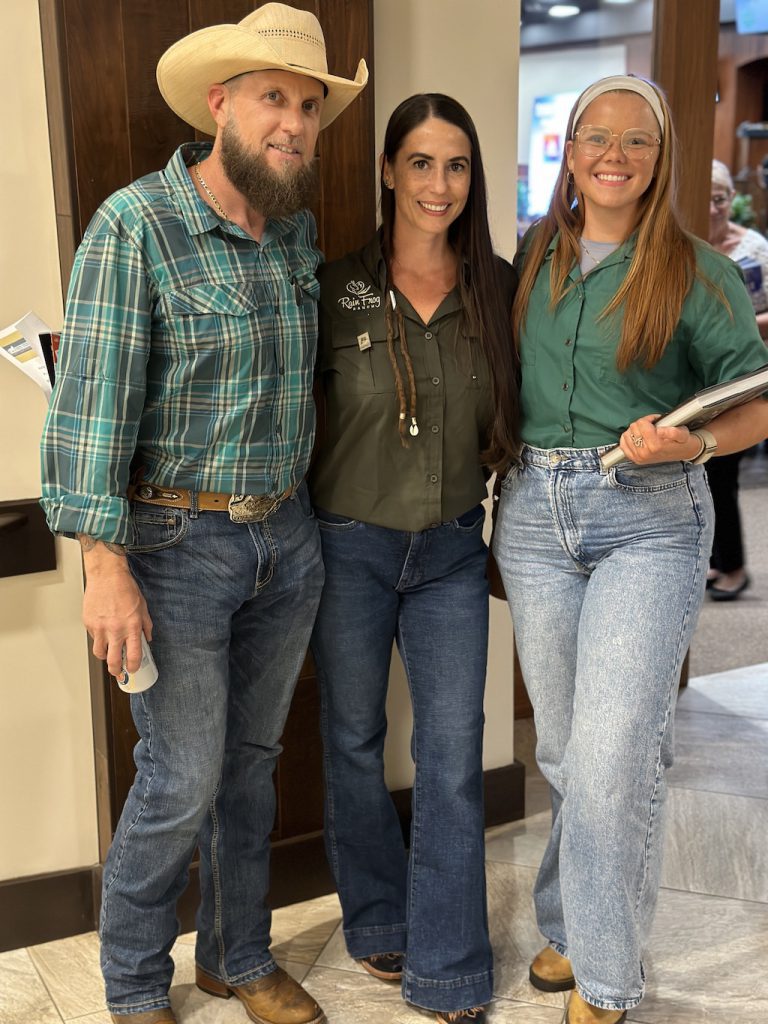
So many new faces!
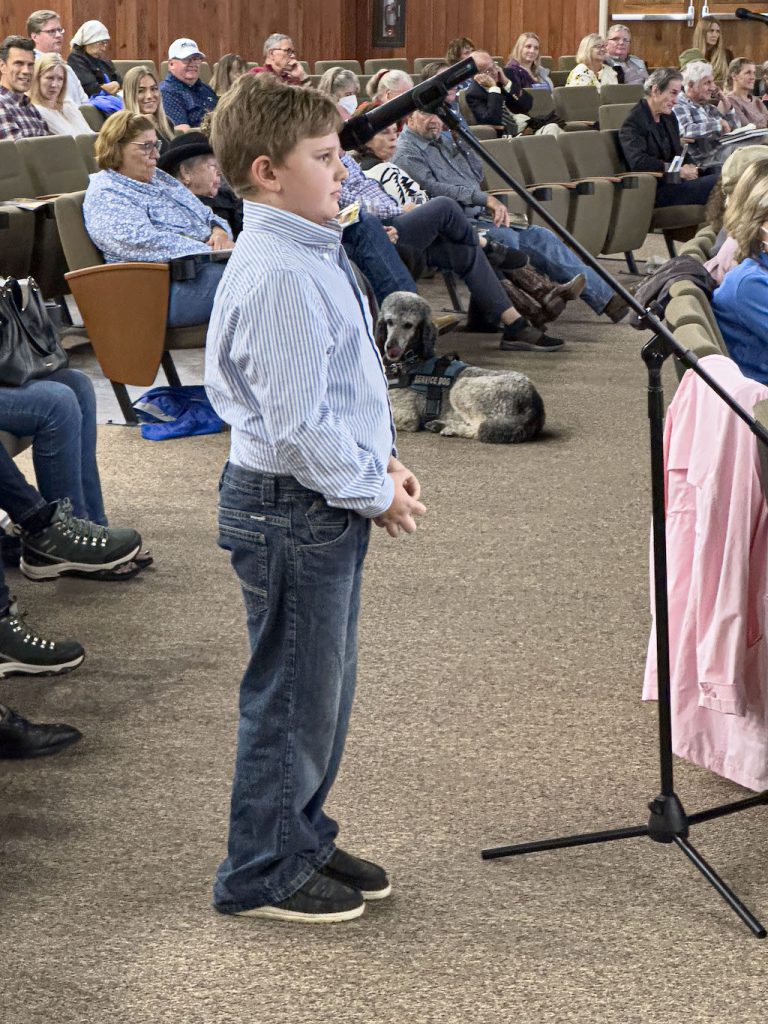
This young man bravely marched up to the microphone to have a conversation about conservation with Carlton.
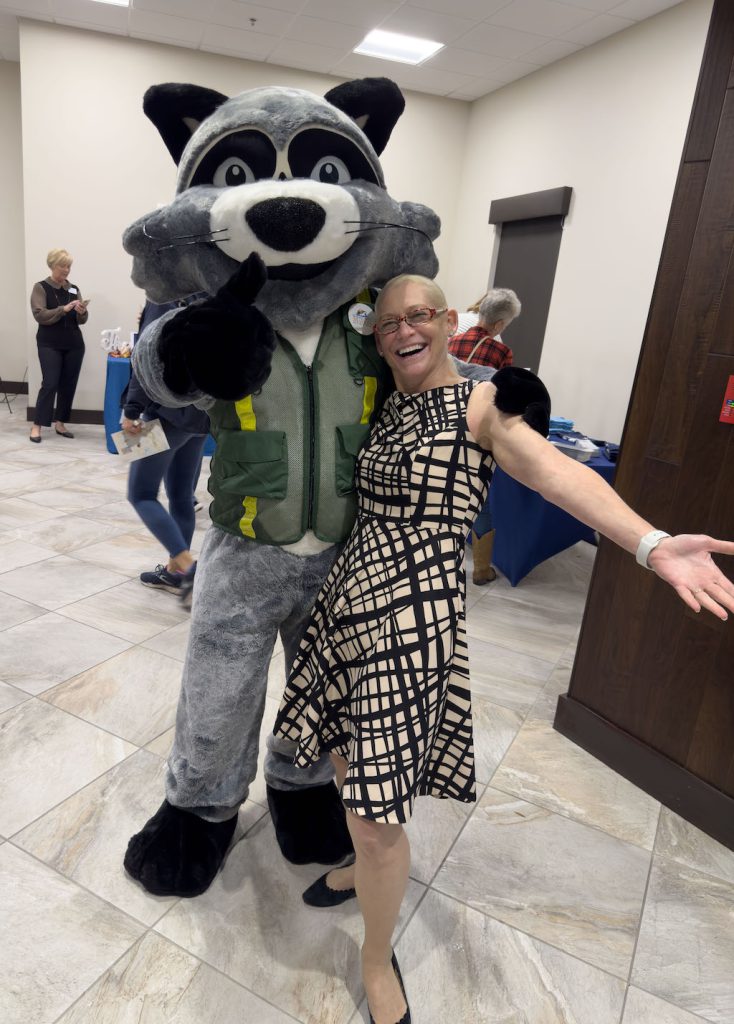
Rubbish was everyone’s favorite photo buddy. Here he is with Tammy Dowie
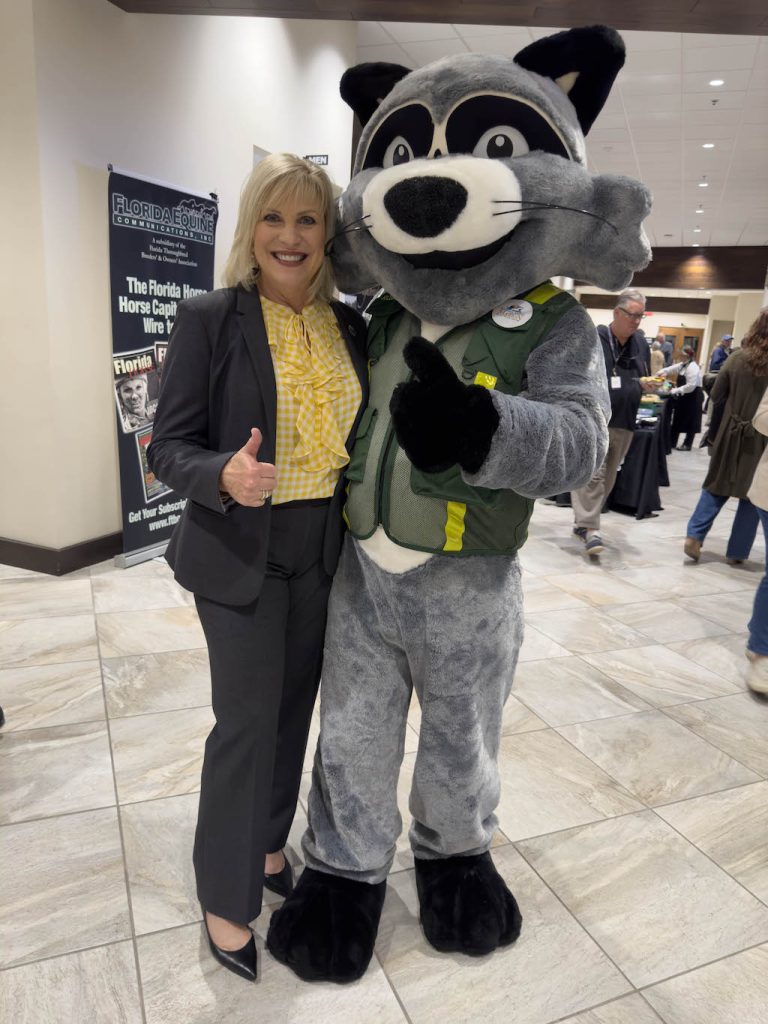
Commissioner Michelle Stone with Rubbish.
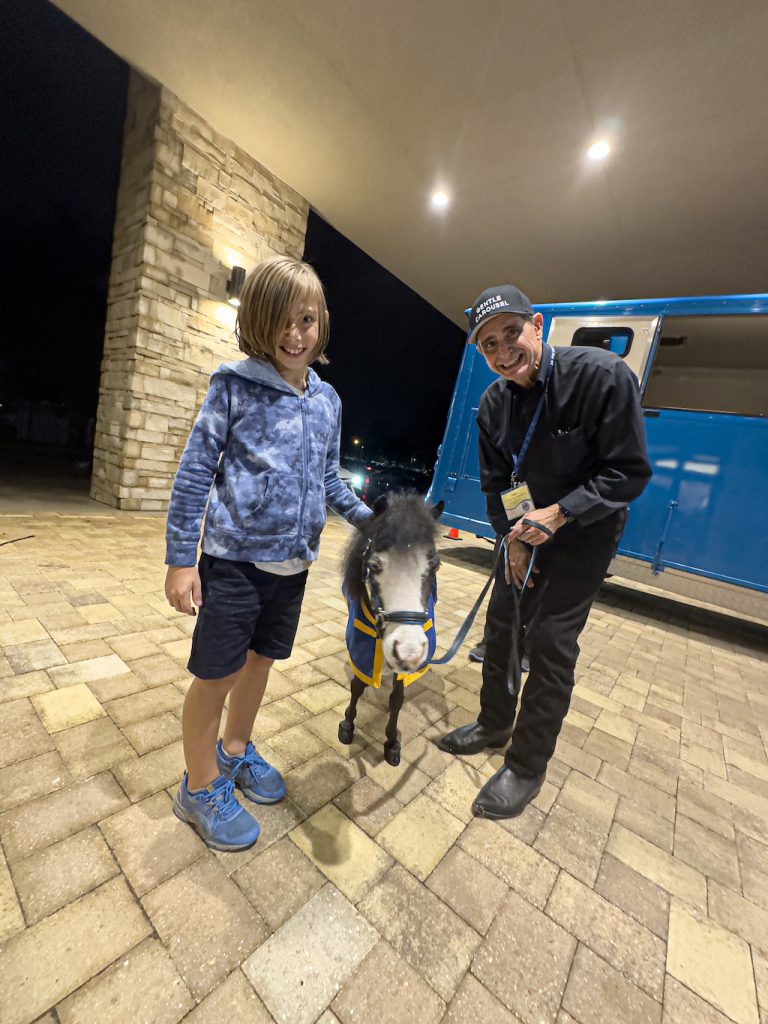
Jorge Garcia-Bengochea, Executive Director of Gentle Carousel Miniature Therapy Horses was on site to introduce everyone to one of their therapy horses and tell the story of their mission to bring big hope to people through their tiny horses.
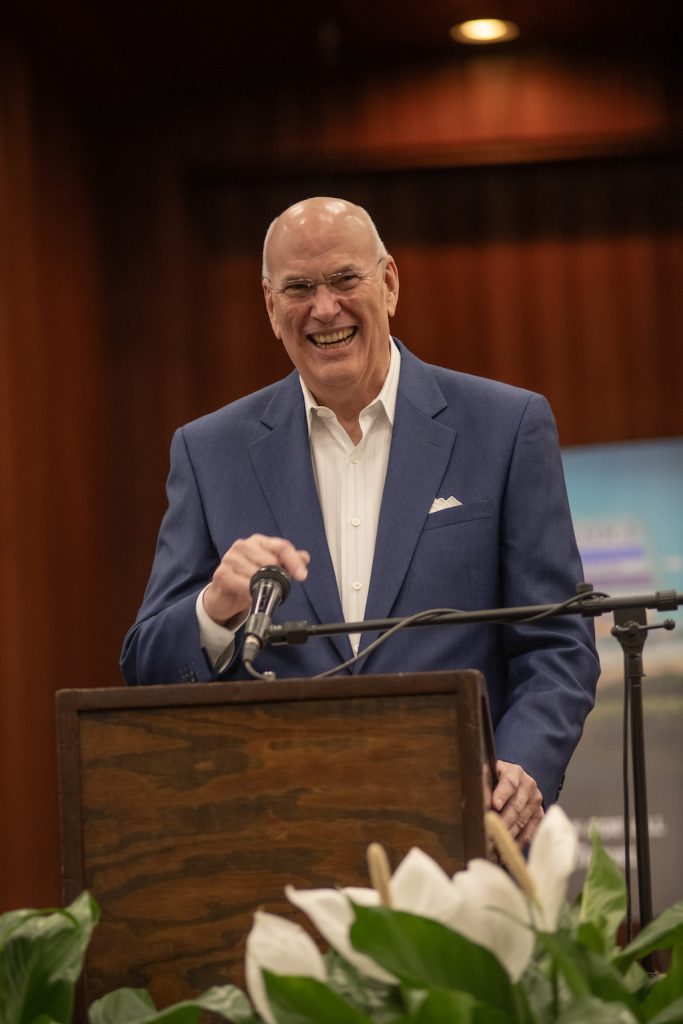
HFF Board President, Bernie Little.
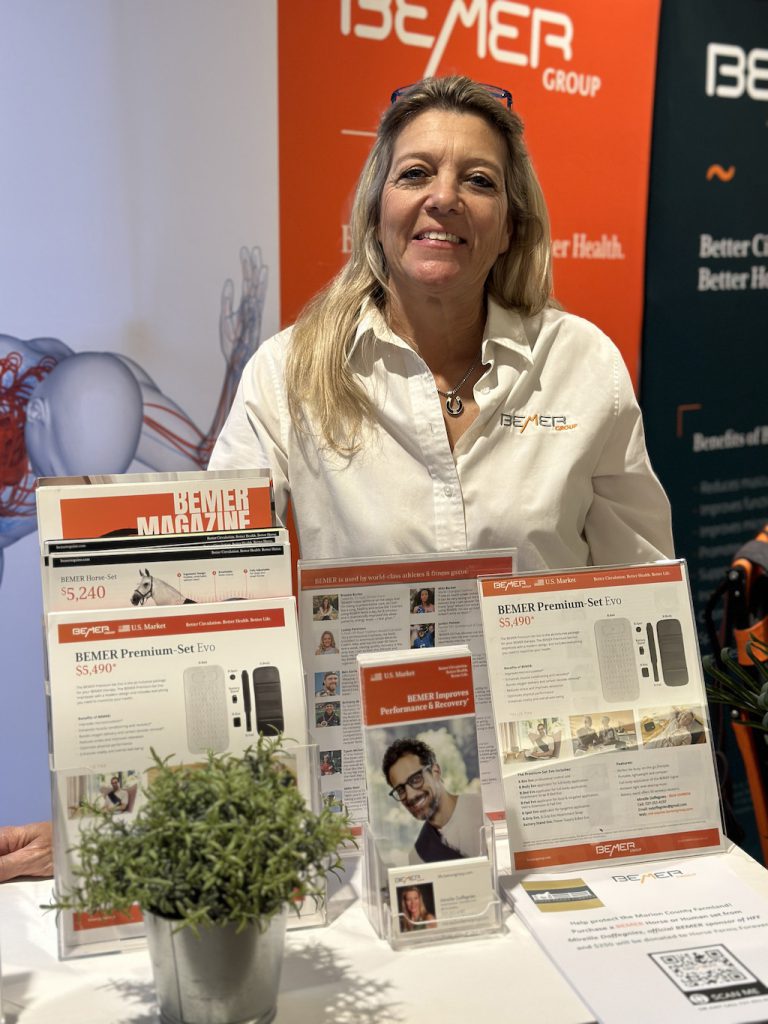
Mireille Doffegnies, BEMER Distributor & Team Manager
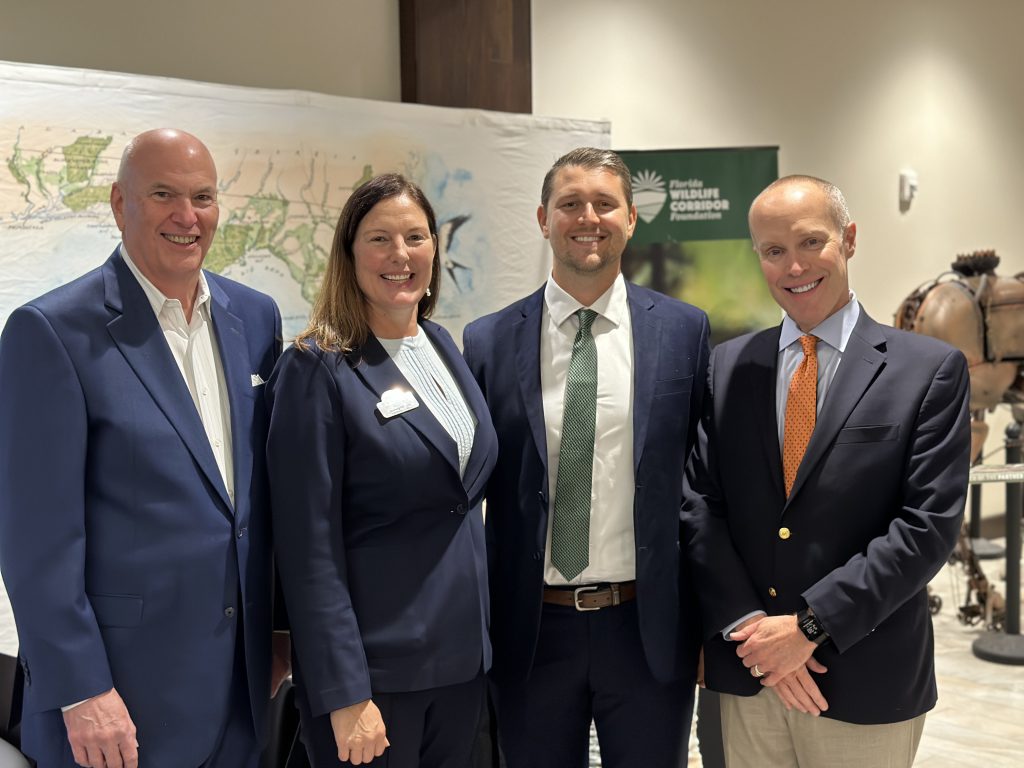
Bernie Little, Mallory Lykes Dimmitt, Sam Smidt, and Billy Van Pelt of the American Farmland Trust
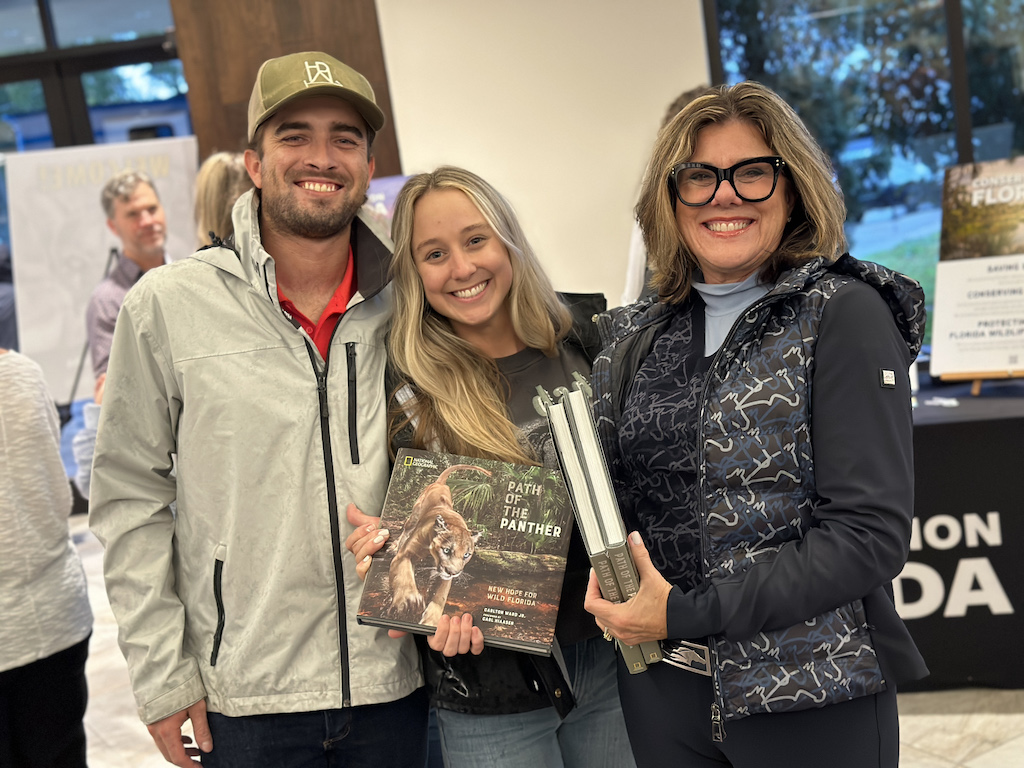
The book signings were a big hit.
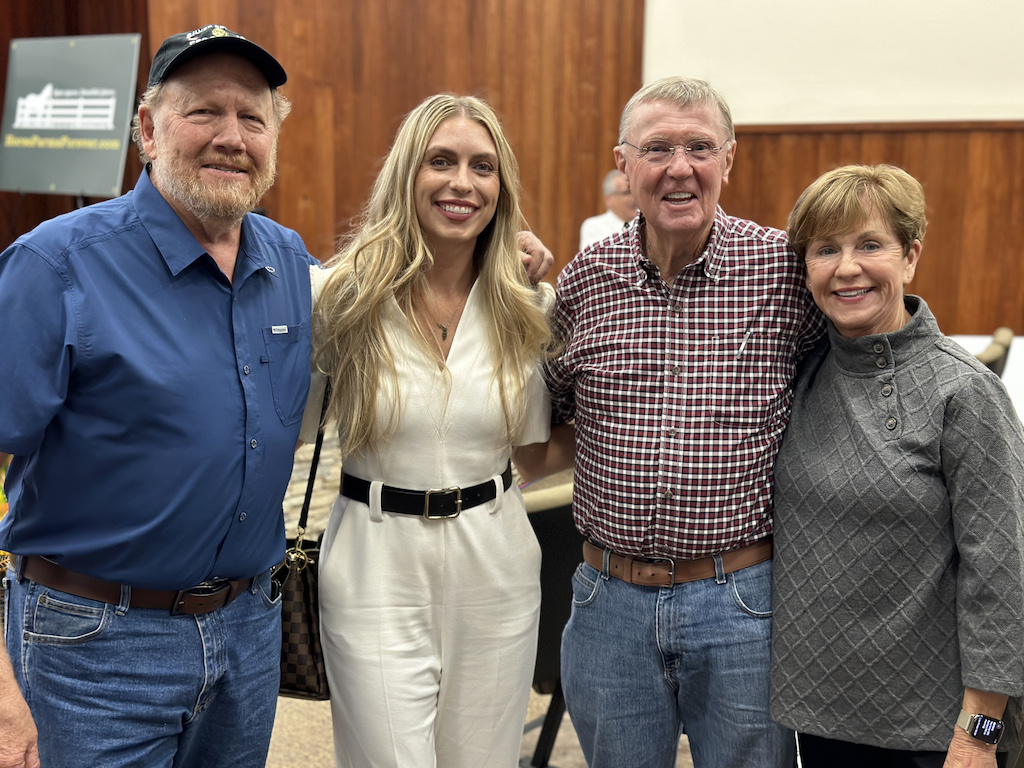
Mark Emery with Conservation Florida’s Traci Deen and John and Shirley Rudnianyn.
Thank you, Sponsors!

For the fourth year in a row, Brook Ledge Horse Transportation has delivered us as our Title Sponsor. We are so thankful for Brook Ledge and the support of close to sixty other businesses, individuals and nonprofits that stepped up to sponsor the 2023 Conservation Summit.


Silver

Bronze

Media Partners


For an official press release, images and press passes, go here.

Always Watching

We work hard to keep you informed, and to represent our members' interests in preserving our horse farms, farmland and the unique character and culture of Marion County's 193,000 acre Farmland Preservation Area.

Join the herd. Every voice matters.

Welcome Serenity Spring Farm, New HFF Founder Member!

Welcome Serenity Spring Farm, New HFF Founder Member!

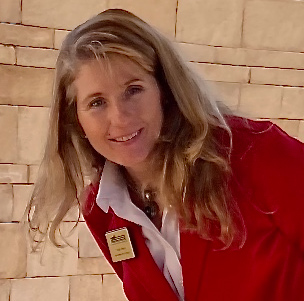
Bob Utley and Elisabeth Brinton of Serenity Spring Farm with Miss Minnie Pearl

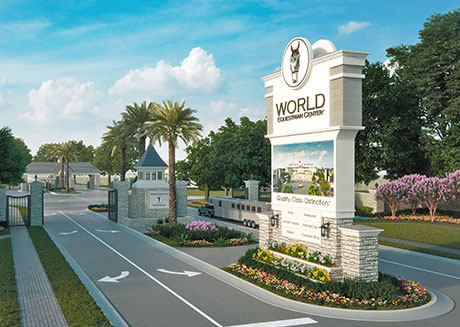
The opening of the World Equestrian Center (WEC) has attracted the horse world from far and wide to Marion County. Elisabeth Brinton and Bob Utley have lived abroad and traveled the world for most of their professional careers. They recently purchased a horse farm in the Farmland Preservation Area (FPA) and joined Horse Farms Forever as Founder Members.

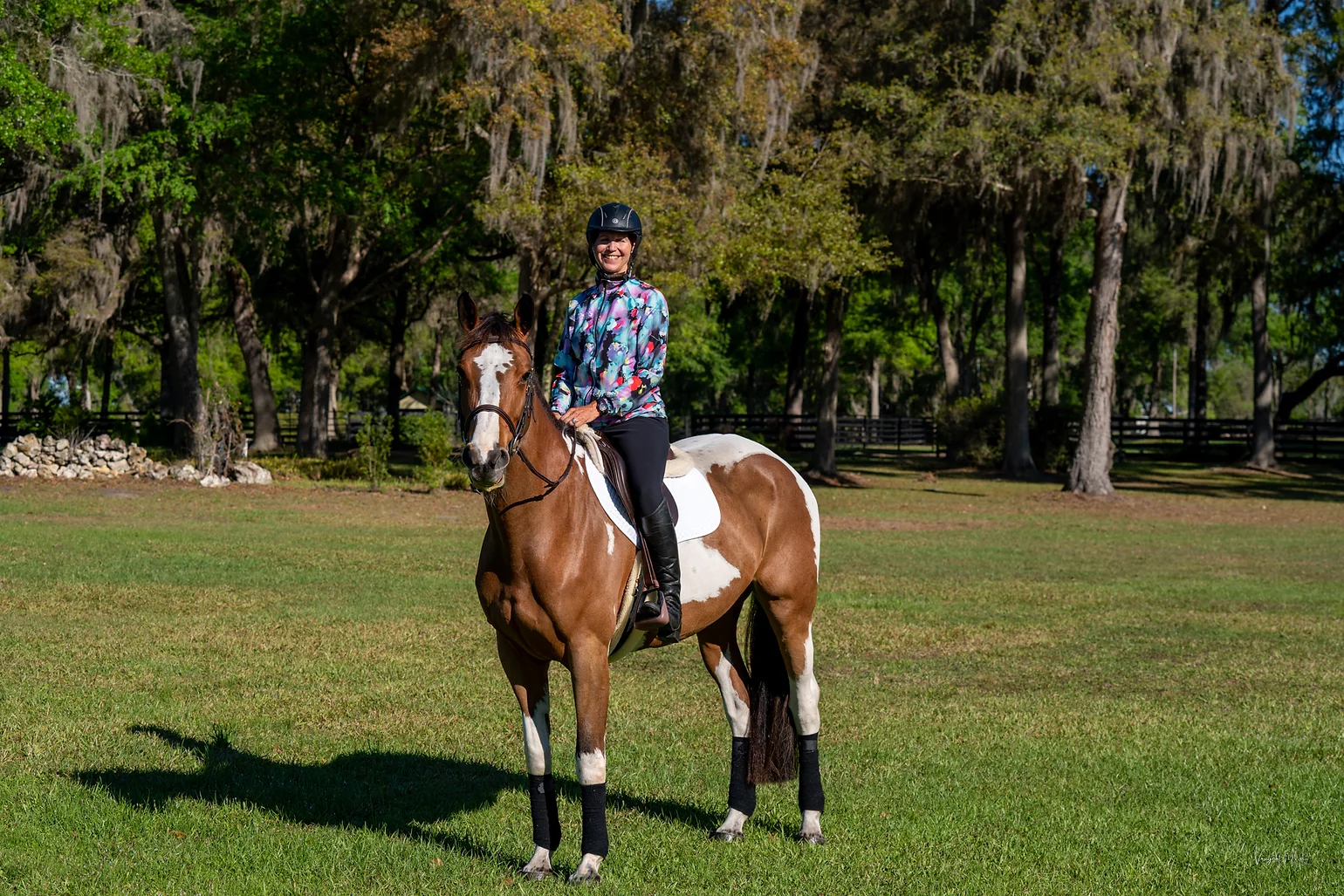
Elisabeth riding Gloria on the farm.

Elisabeth is a competitive show jumper. She is also a global sustainability expert and successful builder of global businesses for strategic corporate investors and private capital. A few years before her retirement as a senior executive with Microsoft, she and Bob began searching for a U.S. based horse farm. They reached out to Matt Varney, a realtor and broker with Ocala Horse Properties, to find the perfect farm.

The Place to Be

They could have chosen one of many equestrian areas around the world, but they chose to buy a farm in Marion County because of WEC. But most importantly, they wanted their farm to be located in the Farmland Preservation Area (FPA).

“We carefully selected our horse farm and made a deliberate choice to be close to WEC and in the FPA,” says Elisabeth. “As a competitive show jumping rider and passionate horse owner, moving here is not only the fulfillment of a life-long dream to own a beautiful farm, but equally an amazing relief to be back home in the USA and in our wonderful state.”

“Our partnership and program is based on the shared values of excellence in horse care, quality preparation, complete wellness of horse and rider, ethical goal-oriented training, performance and fun,” states the SSF website.

Enchanted

While being located in close proximity to WEC was important for their horse farm, Elisabeth and Bob were also both enchanted by the natural beauty of Marion County.

“We love all of the outdoor activities here and we also love the springs and going kayaking,” says Elisabeth. “We even named our new horse farm Serenity Spring Farm after the spring fed pond on the farm.”

Elisabeth’s husband Bob is an avid marathon runner. He trains several days a week on the Greenway. “I don’t run, but I hike and then Bob and I meet for a coffee date on Mondays,” she shares.

Lifelong Conservationists

Prior to moving abroad, Elisabeth’s professional career in sustainability started in California where she helped introduce legislation to help protect parks from incompatible land uses that may cause light pollution or run-off. She also helped establish carbon credits for land, founded two land trusts, and helped protect access for equestrians to horse trails.

Elisabeth’s life-long support of land conservation and natural resource protection inspired her to join Horse Farms Forever® (HFF) as a Founder Member because she resonated with HFF’s mission, as well as the organization’s balanced position regarding development and conservation.

“It’s all about good planning and identifying those areas to protect. While at the same time, we need hotels, roads and we moved here because of WEC,” she states. “But I am well aware that without the hard work of Horse Farms Forever, my farm and this whole region would not be protected from the proposed toll road.”

While their farm is located in the FPA, she is just as supportive of conserving the horse farms that are not located in the FPA.

“I live in the FPA, but I also support those southern areas around the Florida Horse Park and the Greenway,” she says. “The farms around the Greenway and the Florida Horse Park are just jewels that also need to be protected.”

Horse Farms Forever® is honored to have Elisabeth, Bob, and Serenity Spring Farm as part of the world-wide team to help inspire the conservation of horse farms in Marion County!

HFF would also like to thank Elisabeth for volunteering her time to serve as a professional facilitator for the TDR Roundtable on April 14 at Golden Ocala Golf & Equestrian Center.


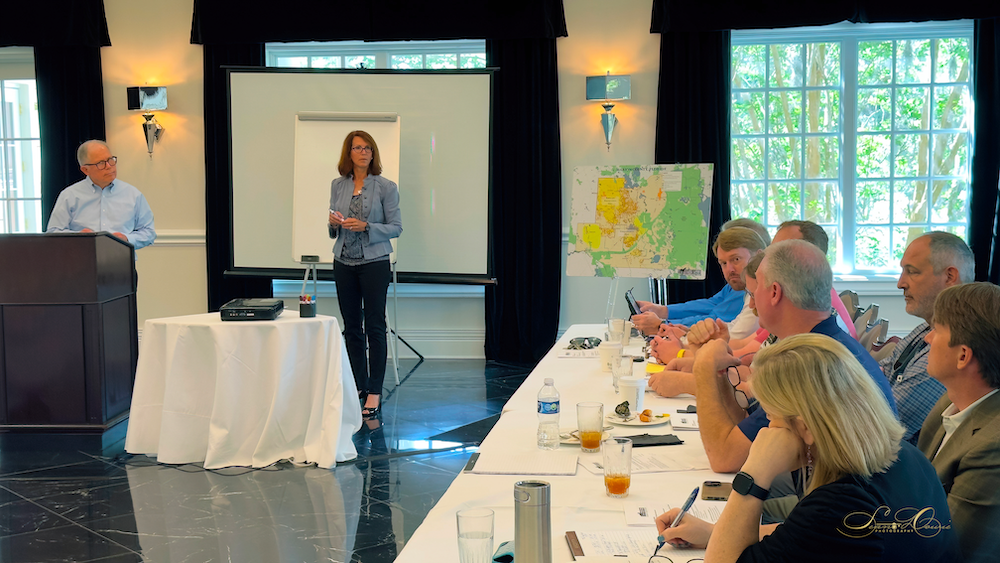
Rick Pruetz shares his Marion County findings and Elisabeth Brinton – Corporate Vice President of Sustainability, Microsoft (retired) and HFF Founder Member facilitates the discussion. 

Busy Shires

What About Zoning?

The Zoning regulations are found in the Land Development Code, which is a separate document with specific guidelines to implement the Goals, Objectives, and Policies of the Comprehensive Plan.

Zoning regulates development through land use classifications and specifies the areas in which residential, industrial, recreational or commercial activities may take place. The Land Development Code was adopted through a series of ordinances by the County Commission, which means that the regulations cannot be changed or waived, except by a further vote of the County Commission.

Contact the County about the EAR:

For any additional questions regarding the EAR process, please email Planning@MarionFL.org with your subject line including 'EAR' or call us at 352-438-2675 & ask for a planner.

https://www.marionfl.org/agencies-departments/departments-facilities-offices/growth-services/planning-zoning/ear

The workshops will be livestreamed. Check the County’s agenda webpage for the link: https://marionfl.legistar.com/Calendar.aspx

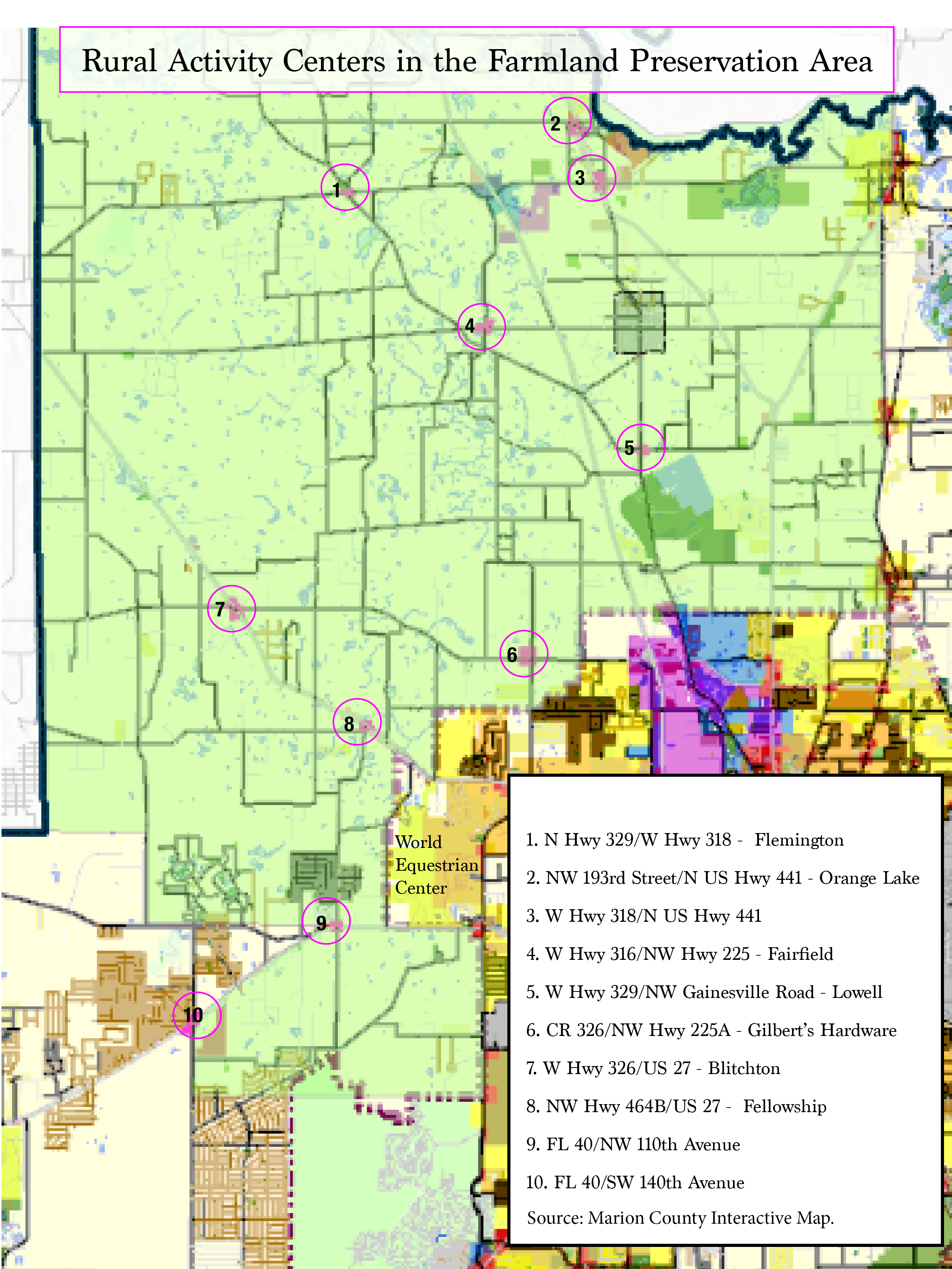
From Gilbert’s Hardware to Dollar General: Rural Activity Centers in the FPA

From Gilbert’s Hardware to Dollar General: Rural Activity Centers in the FPA

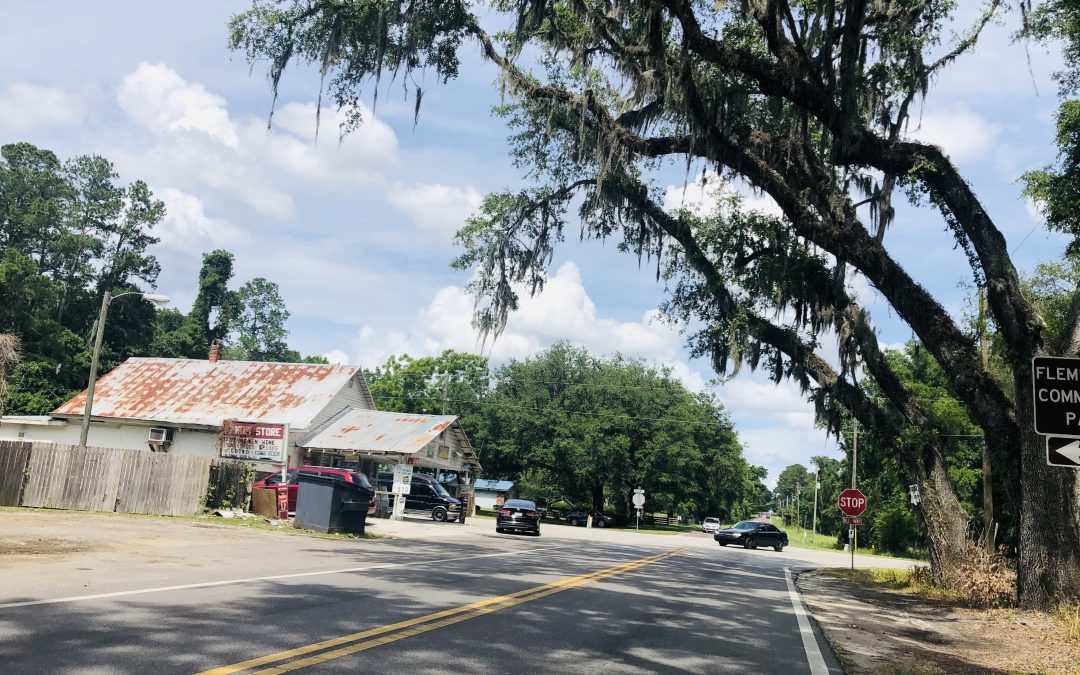
The Flemington Store, at the corner of W Hwy 318 and N Hwy 329, in the heart of the Farmland Preservation Area. There is now a Dollar General across the street.

Family Dollar Store to be built in the FPA

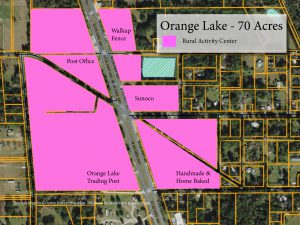
Soon there will be a new Family Dollar store in Orange Lake at the intersection of W Hwy 318 and US Hwy 441. While this intersection is one of the gateways to the Farmland Preservation Area (FPA), it is located in one of the 10 Rural Activity Centers (RAC) that are designated for this exact type of business. The property already has the correct land use/zoning and is being built by BP 5440 Micanopy, LLC and the Contineo Group. 

Marion County’s comprehensive plan allows for limited commercial and residential development in designated Rural Activity Centers (RAC) (Policy 2.1.21) The new Family Dollar store is a perfect example of what the RACs were designed for – to allow small mixed use commercial islands within the rural areas to help residents and businesses meet some of their daily needs and to reduce trips to the urban areas.

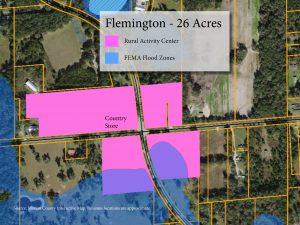
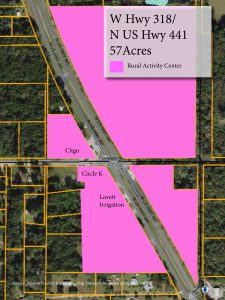
At the intersection of CR 318 and 441 in Orange Lake, all four corners have the RAC land use and it encompasses about 57 acres. In 2021, the rural community of Flemington grew with a new Dollar General store, which is located in the Flemington RAC. All four corners of the intersection of W Hwy 318 and N Hwy 329 are included in the RAC. The new Dollar General is located across the street from the old Flemington Store, which has been a part of the community for over 50 years. The new store is a little bit of a stark contrast with the old store and its white clapboard siding and rusty metal roof.

Marion County’s comprehensive plan does not include design guidelines for the 10 RACs to help protect the rural character of the FPA, but there are design guidelines for the area around the Florida Horse Park as part of the CR 475A Visual Enhancement Gateway Development Overlay. The design guidelines cover signs and include additional buffering and landscaping as well as the optional addition of a three-board fence.

While the design elements are not required for the new Family Dollar, if the company included them, it would be a symbolic statement to the community that Family Dollar supports protecting the character and culture that horses and horse farms create in the FPA.

Groceries, Gas, Baling Twine… 

Marion County’s rural area is vast. Just the Farmland Preservation Area is 193,000 acres. The RAC future land use designation allows for mixed use nodes of residential and commercial uses, including agricultural-related commercial uses. These commercial islands within the rural areas are beneficial because they help residents and businesses meet some of their daily needs and also reduce trips to the urban areas.

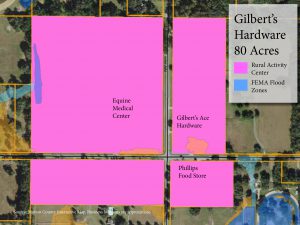
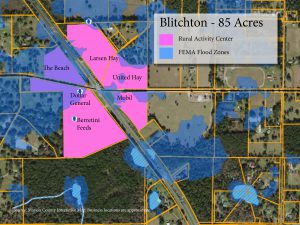
Some of the additional commercial uses allowed in RACs include hardware stores like Gilbert’s Hardware at the intersection of Hwy 225A and CR 326, gas stations, post offices, and grocery stores. In the Blitchton area, on US 27 near H.I.T.S. and many of the sport horse farms, there are 3 feed stores and 2 restaurants – Berrettini Feed Specialists, Larsen Hay and United Hay for horses and The Beach and Yum Yum Kitchen for riders and trainers – important services conveniently-located for hard working equestrians.

In addition to the commercial development, the RAC allows for higher density residential development. In the RAC, up to two dwelling units per acre are permitted. Even in the FPA, the residential density can be up to two dwelling units per acre inside the RAC.  Outside of the RAC, to help protect the rural character of the FPA, the zoning is one dwelling unit per 10 acres.

The development standards for RACs – the distance from the intersection, the allowed uses, the set backs and the building heights – are the same no matter where they are located, even if the RAC is located inside the Farmland Preservation Area (FPA).

For commercial uses, the floor area ratio is 35% – that means that the buildings can only occupy 35% of each parcel.

For properties that are not located in the RAC and are zoned Agriculture (A-1), landowners are permitted to set up a roadside stand to sell hay or vegetables that are grown on the same property.

The RAC Pack

There are 10 RACs dispersed throughout the FPA that average about 54 acres each. When you combine the acreage, that is about 540 acres. However, the size of any RAC can be expanded to a maximum of 96 acres, if it meets the criteria:

  • No greater than ¼ mile or 1,320 feet from the center of the intersection;
  • 85% developed; and
  • at least 5 miles from another RAC.

These 10 RACs all have a Future Land Use designation of RAC, but for some parcels, the Zoning is not RAC.

Marion County has two RAC classifications: a land use designation and a zoning classification. The Future Land Use (FLU) designation is a generalized classification and sets the development densities. The Zoning specifies which exact uses are allowed versus prohibited on that parcel. This is important to distinguish because a parcel could be designated with a FLU RAC, but have a Zoning of A-1 for agricultural use instead of commercial use. In order for the FLU RAC parcel to be used for commercial purposes, the Zoning would have to be changed. There are some “grandfathered in” exceptions for historically-zoned commercial properties with RAC Land Use that are treated as if they also have RAC Zoning.

HFF Text Amendment: A Chance to Change

If a parcel in a RAC does not have the correct zoning, then the zoning has to be changed in order for potential applicants to build a commercial or residential building. Through this zoning change process, there is an opportunity to submit public comments to the Planning & Zoning Commission and to the Board of County Commissioners because the Horse Farms Forever® Amendment enhances the definition of Rural Character and further requires that all applications for Zoning Requests and Special Use Permits “be consistent with and preserve, protect and support and enhance the rural, equestrian, and farmland character of the Farmland Preservation Area.”

As part of Horse Farms Forever’s role in protecting the character and culture of the Farmland Preservation Area, we are actively monitoring all applications that are submitted for consideration.  Watch our posts and blogs for updates and opportunities to make comment as RAC’s come up for zoning changes. Please join us as a member and support our efforts to uphold Marion County’s rural lifestyle and brand as the Horse Capital of the World®.

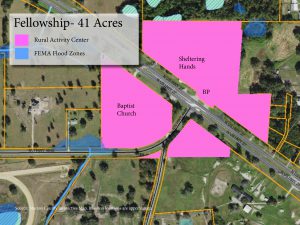
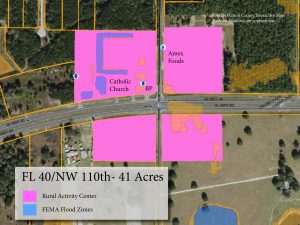
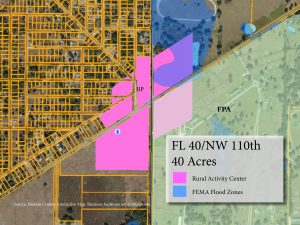
Click on each of the RAC’s below to see a detailed map provided courtesy of Marion County’s Interactive Map:

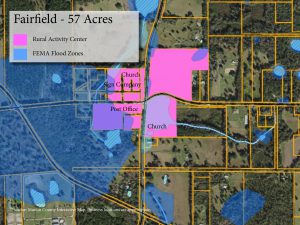
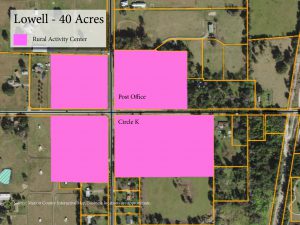
The maps were created using Marion County’s online map. The maps show the the size and location of parcels designated with a FLU of RAC in each of the 10 areas within the FPA. The online map viewer is not intended to be a legal document but rather for reference. We thank the County for providing this helpful resource.

1. N Hwy 329/W Hwy 318 - Flemington

Click on the image to see full size.

2. NW 193rd Street/N US Hwy 441 - Orange Lake

Click on the image to see full size.

3. W Hwy 318/N US Hwy 441

Click on the image to see full size.

4. W Hwy 316/NW Hwy 225 - Fairfield

Click on the image to see full size.

5. W Hwy 329/NW Gainesville Road - Lowell

Click on the image to see full size.

6. CR 326/NW Hwy 225A - Gilbert's Hardware

Click on the image to see full size.

7. W Hwy 326/US 27 Blitchton

Click on the image to see full size.

8. NW Hwy 464B/US 27 - Fellowship

Click on the image to see full size.

9. FL 40/NW 110th Avenue

Click on the image to see full size.

10. FL 40/SW 140th Avenue

Click on the image to see full size.

Commercial uses on World Equestrian Center (“WEC”) designated lands in the Rural Area

For land located in the Rural Area that is also part of the World Equestrian Center (WEC) Planned Unit Development, there is a different land use classification called World Equestrian Center (WEC). (Policy 2.1.28.) The WEC designation allows for commercial uses, recreational uses, residential uses, recreational vehicle parks (“RVP”) and mixed uses. Any commercial uses on World Equestrian Center (“WEC”) designated lands in the Rural Area (i.e., outside the Urban Growth Boundary) are limited to equestrian-related uses associated with the World Equestrian Center.

Examples of equestrian-related uses include polo fields, equestrian arenas, equestrian instruction facilities, veterinary clinics, farriers (non-mobile), stables and barns, and feed stores and tack shops. Any and all accessory uses to equestrian-related uses are ancillary and incidental to such equestrian related use and are located on the same lot or parcel as the principal equestrian-related use. The maximum density for residential uses within the WEC Rural Area is (1) dwelling unit per ten (10) gross acres.

Busy Shires

What About Zoning?

The Zoning regulations are found in the Land Development Code, which is a separate document with specific guidelines to implement the Goals, Objectives, and Policies of the Comprehensive Plan.

Zoning regulates development through land use classifications and specifies the areas in which residential, industrial, recreational or commercial activities may take place. The Land Development Code was adopted through a series of ordinances by the County Commission, which means that the regulations cannot be changed or waived, except by a further vote of the County Commission.

Always Watching
We work hard to keep you informed, and to represent our members' interests in preserving our horse farms, farmland and the unique character and culture of Marion County's 193,000 acre Farmland Preservation Area.

Join the herd. Every voice matters.
HFF Welcomes Chi University Among New Corporate Sponsors

HFF Welcomes Chi University Among New Corporate Sponsors

We are thrilled to introduce four new Corporate Founders at the start of this new year: Chi University, JP Morgan Private Bank, Duke Energy Foundation, and UF Health. These conservation-minded organizations are partnering with us to preserve Ocala/Marion County’s open spaces and beautiful places. This bodes well for the future of the Horse Capital of the World®! We heartily welcome them to the herd.

horse-farms-forever-farmland-preservation-area-ocala-marion-county

Chi University, located in Northwest Ocala, was founded in 1998 by Dr. Huisheng Xie. Since its founding, Chi University has trained over 9,000 veterinarians from 75 countries and regions in integrative and holistic modalities. Its mission is to provide quality education to veterinarians and active veterinary students in Traditional Chinese Veterinary Medicine (TCVM) and other Integrative Veterinary Medicine modalities through distance learning and on-site lab practice to meet the needs of the global veterinary community.

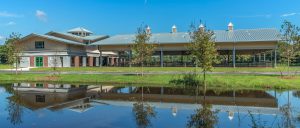
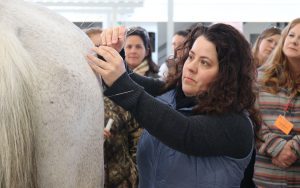
Founded in 1998, Chi’s main campus was built and designed to educate veterinarians.The Main Teaching Building is where lectures and small animal labs are held for on-site classes. This LEED Silver Certified building features a library, 160 seat auditorium, and 22 private small animal lab rooms. Built in 2018 in partnership with the Veterinary College at the University of Florida, the Acupuncture Clinic and free standing stadium is used for the equine wet labs and for on-site classes.

horse-farms-forever-farmland-preservation-area-ocala-marion-county

A uniquely elevated private banking experience shaped around you, JP Morgan Private Bank offers:

  • Planning: bringing finances together into one comprehensive strategy
  • Investing: tailored guidance and access to unique investing opportunities from world-class specialists
  • Lending: working to strategically craft the right financing solutions for your goals
  • Banking: extensive personal and business banking resources

The Duke Energy Foundation is proud to power the vitality of our communities through philanthropy focused on vibrant economies; climate resiliency; and justice, equity and inclusion.

Over $30 million in charitable grants each year are the driver behind impact and improvements in our communities. Additionally, Duke employees and retirees volunteered more than 70,000 hours with nonprofit organizations last year, contributing $2 million in estimated value of their volunteer time.

The Southeast’s most comprehensive academic health center and part of one of the nation’s top 5 public research universities.

UF Health represents the commitment of more than 30,000 faculty and staff to reach higher and farther, both translating scientific discoveries into patient care advances and implementing them to help people get back to living their best possible life.

UF Health proactively reaches out beyond the walls of our hospitals and clinical practices to share valuable health information with area residents.

They offer health education programs and events and also partner in community efforts. They support civic, social and cultural programs to raise awareness of health issues and promote wellness. UF Health physicians, dentists, nurses and other providers and experts reach out to the community to speak about specific health and wellness topics at seminars, and to offer disease-prevention information and screenings at community health fairs and other outreach events.

Corporate Membership

Looking for a way to promote your business throughout the equine community? Becoming a Horse Farms Forever Corporate Member gives you access to our members in Ocala/Marion County and beyond.  Donating to Horse Farms Forever, a registered 501(c)3 with the IRS, reaches our members, friends, and subscribers though our newsletters, social media, advertising, and events. To learn more or to join please contact our President,
Bernie Little 

Contact the County about the EAR:

For any additional questions regarding the EAR process, please email Planning@MarionFL.org with your subject line including 'EAR' or call us at 352-438-2675 & ask for a planner.

https://www.marionfl.org/agencies-departments/departments-facilities-offices/growth-services/planning-zoning/ear

The workshops will be livestreamed. Check the County’s agenda webpage for the link: https://marionfl.legistar.com/Calendar.aspx

Perdue Emphasizes Community Engagement in Road Planning

Perdue Emphasizes Community Engagement in Road Planning

What’s In Store For Marion County’s State-Owned Road Projects?

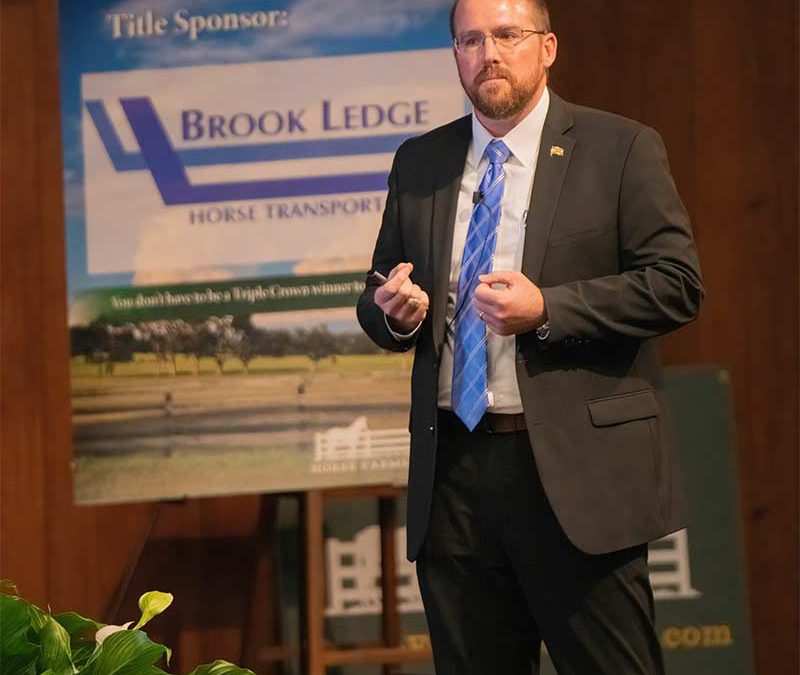
At Horse Farms Forever’s Conservation Summit on November 14, Jared Perdue, Secretary of the Florida Department of Transportation (FDOT) and Tracy Straub, Assistant Marion County Administrator, shared detailed information about Florida’s transportation approach and goals, and specific road improvement projects in Marion County. Secretary Perdue, who took over the post this past April, gave an update on the improvements to I-75 and the Northern Turnpike Extension project, which will resume in one to two years. He also emphasized FDOT’s new emphasis to recognize and protect the unique heritage and culture of Florida’s communities while at the same time improving road safety and efficiency.

The partnership between FDOT and Marion County was also highlighted as a vital component to completing nearly 42 road improvement projects that will widen and extend roads, build several flyovers, and a new interstate interchange at NW 49th Street. These projects will help divert traffic off of I-75 and allow residents to travel both north-south and east-west without having to access I-75. This blog will highlight important aspects of Secretary Perdue’s presentation. We will cover Administrator Straub’s in detail in the next release. To Summit livestream was recorded, and is available for viewing here.

Efficient Transportation Challenged By Astronomical Growth

At the beginning of his talk, Secretary Perdue shared that the core FDOT mission is to provide safe and efficient transportation for the citizens of Florida, and to support the supply chain of goods and services. This is a challenge as Florida’s population continues to grow.

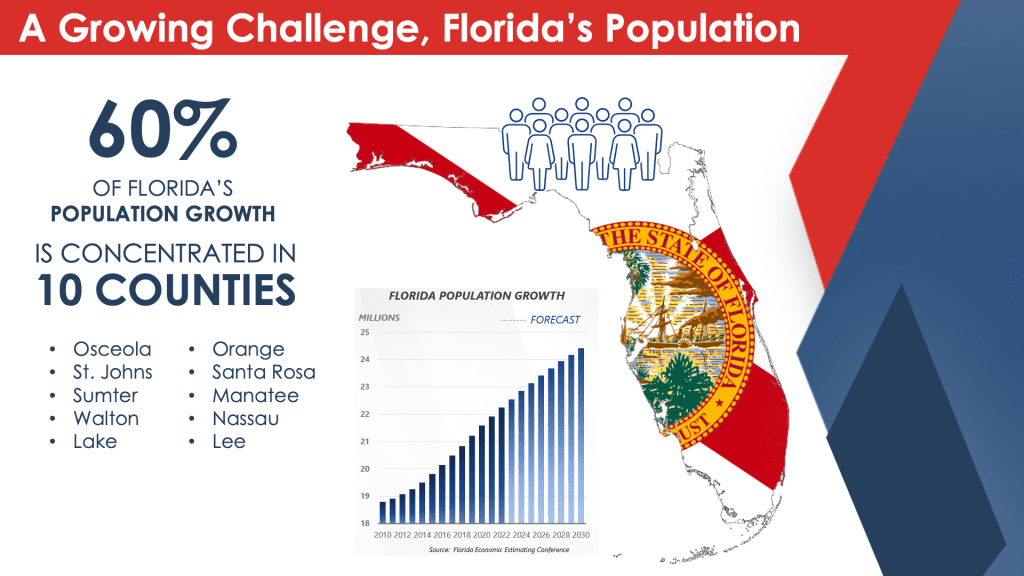
“This is one of the challenges with transportation – how do you provide necessary transportation, but still protect and conserve what makes Florida special,” said Secretary Perdue. “We have a unique challenge in Florida. We are the third most populous state in the union. We are growing rapidly, exponentially. Sixty percent of our growth is concentrated in 10 Counties: Osceola, St. Johns, Sumter, Walton, Lake, Orange, Santa Rosa, Manatee, Nassau, and Lee.. A lot of areas in Florida are growing at 20 percent annually.” Perdue shared that for every 100 people that move out of Marion County, 500 move in. “FDOT plans transportation projects based on a 3 percent population growth rate, and many areas of Florida are growing in excess of 20 percent, and so here’s what that means for an individual,” he said. “Yesterday, you had a 30-minute commute to work. It’s almost like you went to bed and woke up the next morning and all of a sudden, you’re sitting in traffic for an hour and a half trying to get back and forth to work.”

Transportation systems typically take 15 to 20 years to complete because of limited and finite resources that have to be spread across a very large state. FDOT must focus on a long timeline – planning for growth two decades in the future while maintaining enough capacity to handle emergency situations, like the recent devastation from Hurricane Ian. This year’s FDOT budget of $12.6 Billion is the largest in history.

“The challenge is because those areas have been growing so fast, 20, 30, and some areas even 40 percent growth, and so here’s the challenge, how do we think about transportation infrastructure differently so that we can start to catch up strategically,” he added.

Northern Turnpike Extension Is Still In The Plans

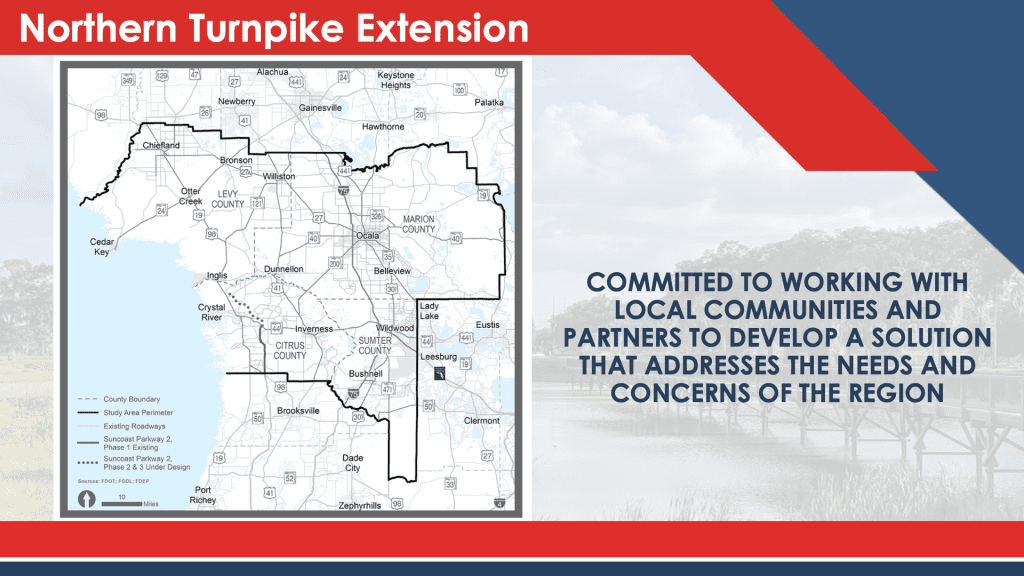
Secretary Perdue answered the most pressing question about the proposed NTE project to extend Florida’s Turnpike from Wildwood to U.S. 19 in Levy County. The NTE project was paused earlier this year, but Perdue confirmed that it was still in FDOT’s plans. The time frame has not been determined, but work on the proposed NTE project will start within the next one to two years. The project was paused due to the overwhelming negative feedback about the proposed routes from the communities in its path. FDOT’s response was to hit the pause button.

“Yes, we hear you, we don’t want to put a road through the heart of your community,” he said. “But we know we have to do something so let’s step back, let’s reengage with our communities and let’s talk about what those right solutions are because we know we need something.”

Perdue said the Northern Extension will connect to I-75 because it fits together as part of a bigger picture of how to solve the transportation challenges; because Florida is going to continue to grow and people and goods and services need to get from point A to point B. The NTE is also important for the future in terms of resiliency, hurricane evacuations, and natural disasters.

“We know we need to do something,’’ he said. “We want that something to preserve your farmland, to fit the growth patterns that are occurring. We want that something to continue to provide the needed transportation while embracing and maintaining the character of your community. And we believe that there’s a way to do that.”

A Love For Rural Florida

“I love the idea of protecting horse farms. I love horses and owned them myself,” he said. “I love Marion County and I love rural Florida. I was born and raised in rural Florida, so it’s really important to me.”

Secretary Perdue emphasized FDOT’s value on relationships with local governments and the goal to embrace and protect the character of communities.

“The reality is that anytime we set out to do something important, the way that people feel and that way that we engage them matters. It is absolutely critical for the future success of transportation systems in Florida,” said Secretary Perdue. He also addressed preservation and conservation directly. “What does that mean for how we deliver transportation in the future?” asked Secretary Perdue. “We believe that in order to successfully deliver infrastructure for the future based on the way that society has changed, based on the way that the state of Florida is changing and growing and adapting, that the absolute number one priority is for transportation infrastructure to embrace communities.”
He described the diversity of Florida and how important embracing this diversity is for transportation projects. Each community has its own culture, heritage, traditions, and also its own vision for the future.

“We believe that enabling transportation infrastructure to be a part of that heritage, a part of that tradition, but also a part of that vision for the future is where success is in transportation infrastructure,” he said. “This has become an umbrella focus for us. We believe that every single transportation infrastructure project can truly embrace the community that it lies within.”

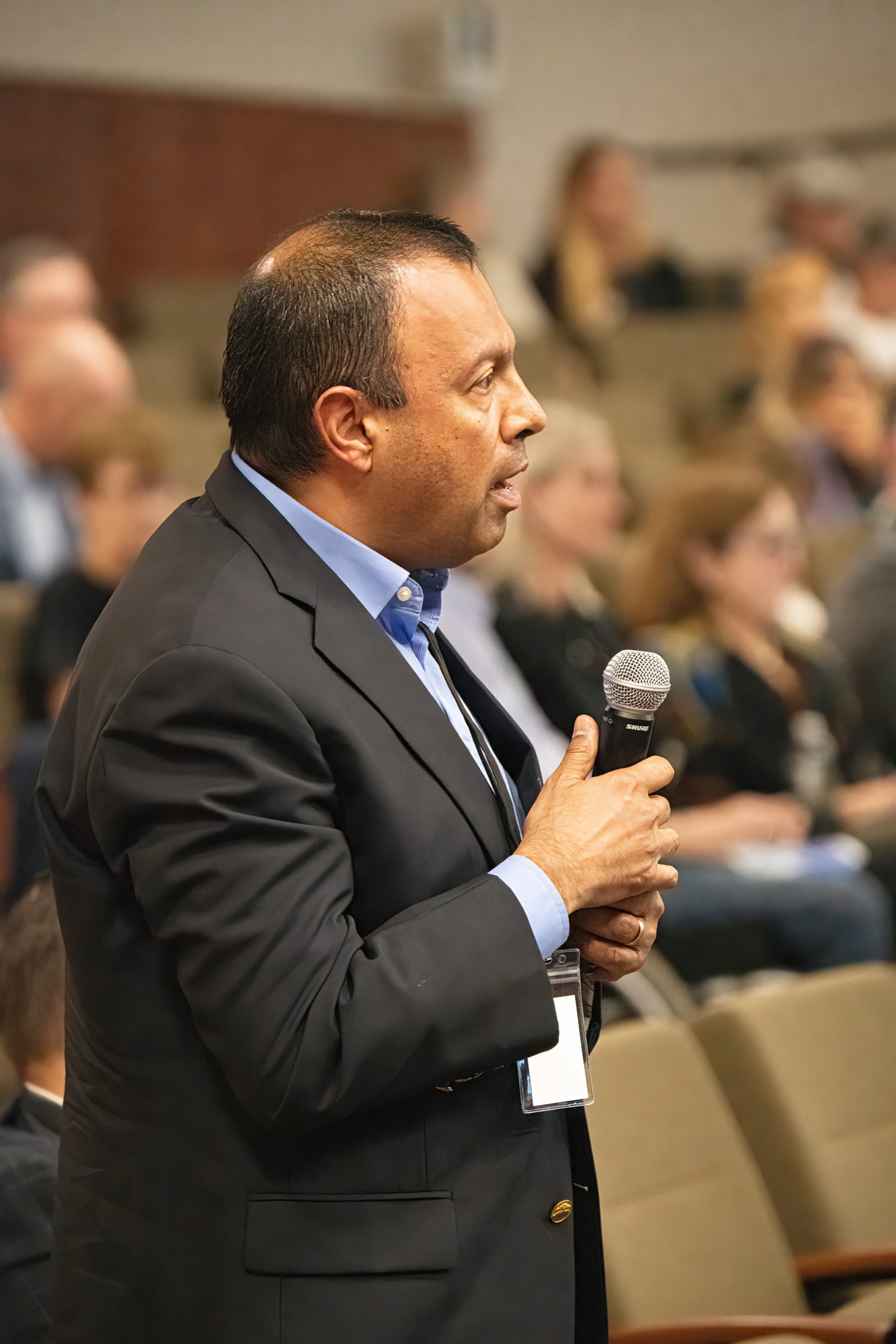
Question from Kevin Sheilley of the Ocala Metro CEP

QUESTION:

Two recent hurricanes came through Florida, 1 hitting the southwest coast and another the southeast coast.

  •  How did the interstate system handle the evacuation routes from the coastal areas?
  •  And, does there need to be a connection between the Suncoast Parkway and I-75 to enhance evacuations?

ANSWER By Secretary Perdue:

“There are a lot of complexities that go into evacuations, depending on where the storm is going, how much time people have to make decisions and what available routes there are. Depending on where the storm hits in Florida the plan completely changes. With Hurricane Ian, the path was changing constantly. The forecast wasn’t set in stone and it changed at the last minute. People had hours to figure out what to do.

We have outfitted our interstate system with technology so that we can watch evacuation behavior in real time. In the case of Ian, we saw a lot of congestion on I-4 and I-75 in general – in particular those hot spots where traffic is always an issue. If the facility is not reliable in everyday life, how is it going to be reliable in an evacuation?

Did our facilities do well during the Hurricane. I would say the answer is yes. Everybody that decided to get out, got out. We opened the shoulder of the road to help with traffic flow, but those pinch points on I-4 and I-75 were still there.

We want to build facilities to be reliable and resilient. To do that, you have to not only relieve those problem areas that already exist, but also build out for future growth.

We believe that something is needed for evacuation between I-75 and the West Coast. We will have to work through that solution together.”

Question from Navroz Sanju of HDG Hotels

QUESTION:

We hear a lot about autopilots in cars and self-driving trucks.

  •  What is the future of self-driving cars and self-driving trucks on the interstate system?
  •  And is there any new technology you are including when you build a road to work with those systems?

ANSWER:

“Technology is one of our big strategic focus areas. Here in Florida we have 100 percent coverage of our Interstate System with the most current detection devices. We have the backbone in place for the future of autonomous driving vehicles. Technology changes so fast, and there’s been a lot of emotional speculation about what the future will look like.

We’ve developed new standards for these technologies to work. Artificial intelligence is always collecting data and using it to make decisions. Our infrastructure needs to facilitate that.

So, what’s realistic over the next ten to twenty years? First, there is tremendous efficiency to be gained on interstates using autonomous technology, such as the platooning of trucks. Our facilities must be upgraded for this future. We are already working on that. Autonomous vehicles can test and pilot on the Florida Interstate System. Second, what is really important is the ability of technology infrastructure to communicate important information to every day drivers – lane closures, stopped traffic, and accidents can be communicated to navigation apps by the road itself, helping drivers to make decisions.

We recently rolled out a pilot program that will allow every lane closure to be shared in real time with navigation apps.”

Early Feedback

Getting early feedback from communities is a new way of thinking for FDOT, but Secretary Perdue said that it’s “been hugely successful. Sitting down with communities before we decide what’s going to be done on that project to ask you: Hey what do you want to see – What would you like the feel of this roadway to be – How would you like it to look – What type of things would you like to see incorporated to help it align with your community?”

He said one example of this approach is the Wekiva Parkway, which protected more land for conservation than it impacted.

“I’ll give an example in terms of preserving and conserving with transportation actually having a net positive impact on what Florida’s true character is with the Wekiva Parkway in central Florida,” said Secretary Perdue. “A lot of the Wekiva Parkway, that’s a new toll facility, utilized an existing road, State Road 46 for a lot of the way, and we had a net positive impact on the environment because we actually purchased more conservation land as part of the project than we impacted with the project itself.”

However, due to FDOT budget constraints, not all suggestions are possible, but, when FDOT engages communities early in the process, the community becomes part of the team.

“Then we together can implement infrastructure that takes on the character of the community that it lies within,” he said.

Improvements to I-75

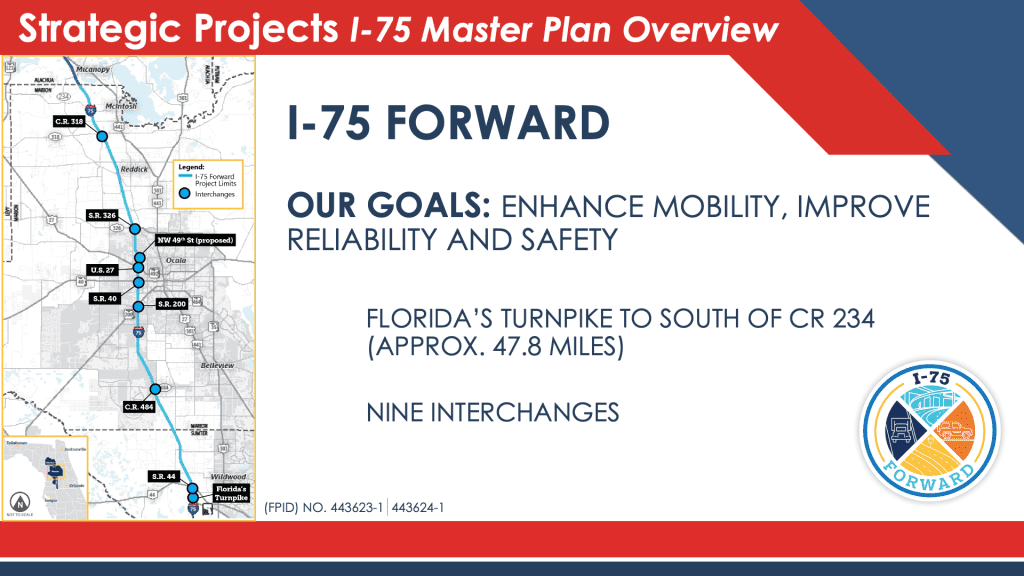
FDOT is coordinating closely with Marion County on nearly 42 projects and one of the top priority projects is improving I-75. The traffic congestion is a capacity issue, but it’s also related to the surrounding road network and because the Florida Turnpike ends at I-75 just south of Marion County. The goal of the master plan is to enhance mobility, improve reliability, and safety. There are two phases to the project with phase one adding additional lanes in each direction between SR 44 and SR 326. Phase one also includes interim modifications of the SR 326 and SR 40 interchanges. Phase two is ongoing.

The I-75 Master Plan is also divided into two study areas. The Southern section is approximately 22.5 miles and it begins at Florida’s Turnpike, SR 91 in Sumter County and ends at SR 200 in Marion County. Interchanges to be evaluated include Florida’s Turnpike, SR 44, CR 484 and SR 200. The Northern section is approximately 25.3 miles and it begins north of SR 200 in Marion County and ends south of CR 234 in Alachua County. Interchanges to be evaluated include SR 40, U.S. 27, Northwest 49th Street (planned), SR 326, CR 318 and CR 234.

The Master Plan is to “identify improvement options for I-75 that we can affect quickly,” he said. “We don’t have 15 to 20 years. As a matter fact we need something there that should’ve been done probably 10 years ago based on how fast we are growing.”

The interstate must meet several different needs in Marion County including growing residential communities, heavy industrial development, and commercial development along the interstate. The challenge is to provide a facility for all of the different types of vehicles.

“This is a big conversation and it all works together but you don’t want to get lost in talking about what we need 20 or 30 years down the road when it needs it fixed today,” he said. “We’re looking at phase one and of what can we implement quickly and efficiently that will actually improve at a minimum the reliability of the roadway.”

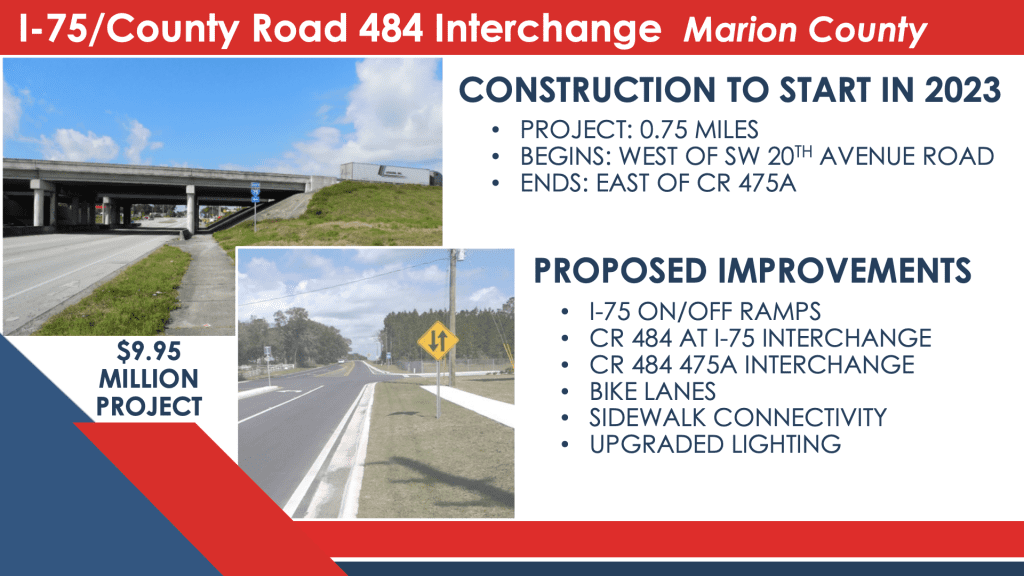
The I-75/CR 484 project is .75 miles and begins west of SW 20th Avenue Road and ends east of CR 475A. The improvements include on/off ramps, CR 484 at 1-75 interchange, CR 484/475A interchange, bike lanes, sidewalk connectivity, and improved lighting. The cost of this project is close to $10 million.

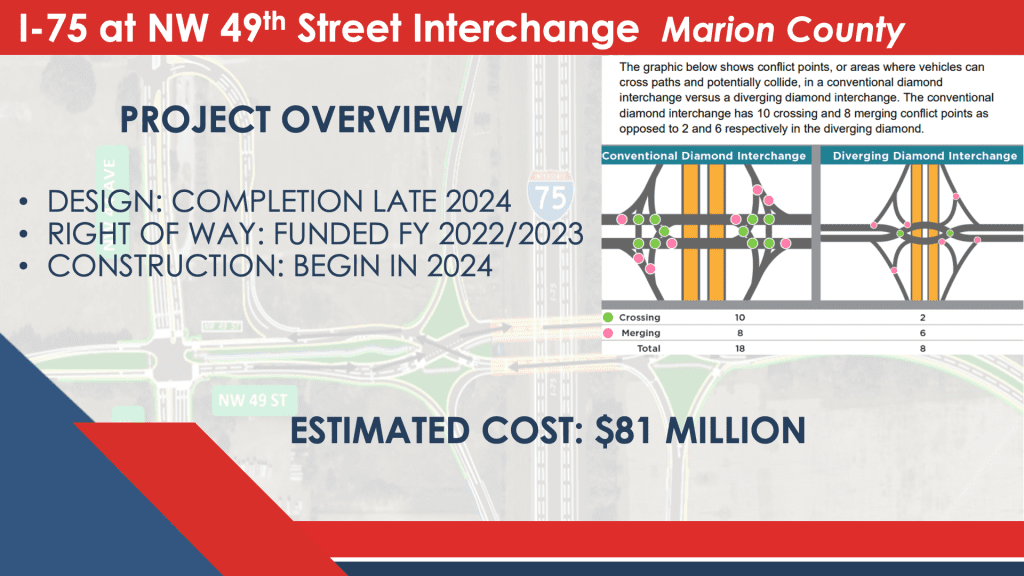
FDOT is partnering with Marion County to build a new interchange on I-75 at NW 49th Street. Marion County and FDOT are both providing the funds to build the new interchange, which is estimated to cost about $81 million.

“Marion County is absolutely a vital partner in transportation,” he said. “It’s truly a seamless partnership.”

The new interchange is a Diverging Diamond Interchange (DDI) that will help improve interstate and regional mobility, accommodate future traffic growth and provide relief to existing surrounding interchanges. The right of way will be funded in 2022/2023 and the design will be completed in late 2024. The construction is expected to start in 2024.

The new interchange “is a broader picture of your how do you manage the system around that I-75 corridor and this is a going to help provide some of that connectivity,” said Secretary Perdue.

Next: Focus on County-Owned Projects

Tracy Straub, PE, Marion County Administrator, Public Works and Growth Services, also presented an update of the top road improvement projects including the area known as the Ocala Triangle, which includes State Road 200 and Southwest 60th and Southwest 80th Avenues. Straub gave an update on the CR 318 and I-75 Sunny Oaks/Irvine area. Our next blog will cover Administrator Straub’s presentation, including downloadable maps for the Marion County projects. Stay tuned!

Photos by Sean Dowie Photography. Remaining graphics provided by FDOT.

Watch the entire Summit presentation online:

Busy Shires

What About Zoning?

The Zoning regulations are found in the Land Development Code, which is a separate document with specific guidelines to implement the Goals, Objectives, and Policies of the Comprehensive Plan.

Zoning regulates development through land use classifications and specifies the areas in which residential, industrial, recreational or commercial activities may take place. The Land Development Code was adopted through a series of ordinances by the County Commission, which means that the regulations cannot be changed or waived, except by a further vote of the County Commission.

Contact the County about the EAR:

For any additional questions regarding the EAR process, please email Planning@MarionFL.org with your subject line including 'EAR' or call us at 352-438-2675 & ask for a planner.

https://www.marionfl.org/agencies-departments/departments-facilities-offices/growth-services/planning-zoning/ear

The workshops will be livestreamed. Check the County’s agenda webpage for the link: https://marionfl.legistar.com/Calendar.aspx